
The Difference Between SEO and SEM Marketing
Search Engine Optimization (SEO) and Search Engine Marketing (SEM) are two crucial strategies in the world of digital marketing. While they both aim to increase a website’s visibility on search engines, they have distinct approaches and benefits.
SEO: Search Engine Optimization
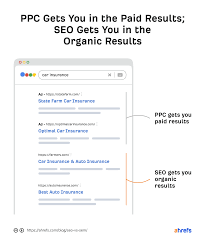
SEO focuses on improving a website’s organic (unpaid) search engine rankings. It involves optimizing various elements on the website, such as content, meta tags, and backlinks, to make it more relevant to specific search queries. The goal of SEO is to drive organic traffic to the site over time by improving its visibility in search engine results pages (SERPs).
SEM: Search Engine Marketing
SEM, on the other hand, includes paid advertising strategies to promote a website on search engines. This typically involves Pay-Per-Click (PPC) campaigns where advertisers bid on keywords relevant to their target audience. SEM allows businesses to reach their desired audience quickly and effectively through paid placements in search results.
The Benefits of SEO and SEM
While both SEO and SEM aim to increase website visibility, they offer unique benefits:
- SEO: Builds long-term credibility and trust with search engines, leading to sustainable organic traffic growth.
- SEM: Provides immediate visibility and control over ad placements for targeted audiences.
Combining SEO and SEM for Optimal Results
Many digital marketers find that combining SEO and SEM strategies can yield the best results. By leveraging both organic and paid tactics, businesses can maximise their online presence and reach a wider audience. A comprehensive approach that integrates SEO for long-term growth with SEM for immediate results can create a powerful marketing strategy.
Essential FAQs on SEO and SEM Marketing: Understanding Strategies, Benefits, and Best Practices
- What is the difference between SEO and SEM marketing?
- How does SEO help improve a website’s visibility on search engines?
- What are the key elements of SEO that contribute to better search engine rankings?
- How does SEM differ from SEO in terms of paid advertising strategies?
- What is Pay-Per-Click (PPC) advertising and how does it relate to SEM marketing?
- Can businesses benefit from using both SEO and SEM strategies together?
- How long does it typically take to see results from SEO efforts compared to SEM campaigns?
- Are there any risks or challenges associated with implementing SEO and SEM marketing tactics?
- What are some best practices for integrating SEO and SEM into a comprehensive digital marketing strategy?
What is the difference between SEO and SEM marketing?
When it comes to digital marketing, a common question that arises is: “What is the difference between SEO and SEM marketing?” Search Engine Optimization (SEO) focuses on enhancing a website’s organic visibility in search engine results through strategies like keyword optimization and content creation. In contrast, Search Engine Marketing (SEM) involves paid advertising methods, such as Pay-Per-Click (PPC) campaigns, to increase a website’s visibility on search engines. While SEO aims for long-term organic growth, SEM provides immediate visibility through paid placements. Understanding the distinction between SEO and SEM is crucial for businesses looking to effectively navigate the digital landscape and maximise their online presence.
How does SEO help improve a website’s visibility on search engines?
Search Engine Optimization (SEO) plays a crucial role in enhancing a website’s visibility on search engines through various strategic techniques. By optimising key elements such as relevant keywords, high-quality content, meta tags, and backlinks, SEO helps search engines recognise the website’s relevance to specific search queries. This improved relevance increases the chances of the website appearing higher in search engine results pages (SERPs), making it more visible to users searching for related topics or products. Ultimately, SEO contributes to driving organic traffic to the website over time by establishing credibility and authority in the eyes of search engines.
What are the key elements of SEO that contribute to better search engine rankings?
When it comes to improving search engine rankings through SEO, several key elements play a crucial role in enhancing a website’s visibility and relevance. These elements include on-page factors such as quality content, relevant keywords, meta tags, and internal linking structures. Off-page factors like backlinks from authoritative websites and social signals also impact search engine rankings significantly. Additionally, technical aspects such as site speed, mobile-friendliness, and proper website structure contribute to better SEO performance. By focusing on these key elements and implementing best practices, websites can improve their search engine rankings and attract more organic traffic effectively.
How does SEM differ from SEO in terms of paid advertising strategies?
In the realm of digital marketing, the key distinction between Search Engine Marketing (SEM) and Search Engine Optimization (SEO) lies in their approach to paid advertising strategies. SEM encompasses paid advertising tactics, such as Pay-Per-Click (PPC) campaigns, where businesses bid on keywords to have their ads displayed in search engine results. This allows for immediate visibility and control over ad placements, with advertisers paying only when users click on their ads. In contrast, SEO focuses on enhancing a website’s organic search rankings through optimisation efforts without direct payment for ad placements. While SEM offers quick results through paid promotions, SEO builds sustainable credibility with search engines over time for long-term organic traffic growth. Both SEM and SEO play vital roles in a comprehensive digital marketing strategy, each offering distinct benefits in the competitive online landscape.
What is Pay-Per-Click (PPC) advertising and how does it relate to SEM marketing?
Pay-Per-Click (PPC) advertising is a digital marketing model where advertisers pay a fee each time their ad is clicked. It is a form of paid search advertising that allows businesses to bid on keywords relevant to their target audience and have their ads displayed in search engine results. PPC is a key component of Search Engine Marketing (SEM) as it enables businesses to drive immediate traffic to their websites and increase visibility on search engines. By utilising PPC campaigns as part of their SEM strategy, businesses can effectively reach their desired audience, generate leads, and achieve specific marketing objectives in a cost-effective manner.
Can businesses benefit from using both SEO and SEM strategies together?
Businesses can greatly benefit from using both SEO and SEM strategies together. While SEO focuses on improving organic search engine rankings and building long-term credibility with search engines, SEM offers immediate visibility through paid advertising. By combining these two approaches, businesses can create a comprehensive marketing strategy that maximises their online presence and reaches a wider audience. This integrated approach allows companies to enjoy the advantages of both organic growth and targeted paid placements, resulting in a more effective and holistic digital marketing strategy.
How long does it typically take to see results from SEO efforts compared to SEM campaigns?
When considering the timeline for seeing results from SEO efforts compared to SEM campaigns, it is important to understand the inherent differences between the two strategies. SEO, focusing on organic search rankings, often requires a longer timeframe to show significant results due to the gradual nature of building credibility with search engines. On the other hand, SEM campaigns, involving paid advertising, can generate immediate visibility and results as soon as the ads are launched and targeted audiences engage with them. While SEO lays the foundation for sustainable long-term growth, SEM provides a quick boost in website traffic and conversions. Ultimately, the timeline for seeing results from SEO and SEM efforts varies based on factors such as competition levels, industry trends, and campaign strategies employed.
Are there any risks or challenges associated with implementing SEO and SEM marketing tactics?
Implementing SEO and SEM marketing tactics comes with its own set of risks and challenges. One of the main risks associated with SEO is that it can take time to see significant results, as search engine algorithms constantly evolve and competition for top rankings is fierce. Additionally, improper SEO practices can lead to penalties from search engines, impacting a website’s visibility negatively. On the other hand, SEM poses challenges such as managing advertising budgets effectively to ensure a positive return on investment (ROI) and staying ahead of competitors in bidding for relevant keywords. Both SEO and SEM require continuous monitoring and adjustment to navigate these risks effectively and maximise their benefits for a successful digital marketing strategy.
What are some best practices for integrating SEO and SEM into a comprehensive digital marketing strategy?
When it comes to integrating SEO and SEM into a comprehensive digital marketing strategy, several best practices can help maximise results. Firstly, conducting thorough keyword research is essential to identify relevant terms for both organic and paid search campaigns. Creating high-quality, engaging content that aligns with these keywords can improve visibility and user engagement. Additionally, monitoring and analysing performance metrics regularly allows for data-driven optimisation of both SEO and SEM efforts. Coordinating messaging and branding across organic and paid channels ensures a consistent user experience and reinforces brand identity. By combining the strengths of SEO and SEM in a cohesive strategy, businesses can enhance their online presence and reach their target audience effectively.
Leave a Reply