
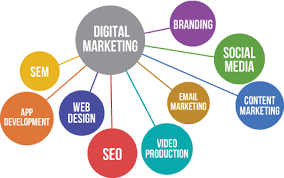
Digital Marketing Examples
Digital marketing has revolutionised the way businesses connect with their audiences, allowing for targeted and measurable strategies that drive results. Here are some compelling examples of successful digital marketing campaigns:
Social Media Engagement:
Brands like Nike and Coca-Cola have mastered the art of engaging with their audience on social media platforms. By creating interactive and shareable content, they not only promote their products but also build a loyal community of followers who actively participate in discussions and share their content.
Search Engine Optimization (SEO):
Companies such as HubSpot and Moz have excelled in leveraging SEO to increase their online visibility and attract organic traffic to their websites. By optimising their content for relevant keywords and earning high-quality backlinks, they consistently rank high in search engine results pages, driving valuable traffic to their sites.
Email Marketing Campaigns:
Amazon and Airbnb are known for their highly effective email marketing campaigns. By personalising their messages based on user behaviour and preferences, they deliver targeted content that resonates with recipients. This approach leads to increased open rates, click-through rates, and ultimately conversions.
Paid Advertising:
Google Ads and Facebook Ads offer powerful platforms for businesses to reach their target audience through paid advertising. Companies like Spotify and Netflix leverage these channels to promote their services to specific demographics based on user interests, behaviours, and demographics. This precision targeting ensures a high return on investment for their ad spend.
In conclusion, these examples demonstrate the diverse ways in which digital marketing can be leveraged to achieve business objectives effectively. By adopting innovative strategies tailored to specific goals and audiences, companies can drive engagement, increase brand awareness, and ultimately boost sales in today’s digital landscape.
9 Key Advantages of Digital Marketing: Boosting Engagement, Visibility, and Competitive Edge
- Highly targeted
- Measurable results
- Cost-effective
- Global reach
- Enhanced engagement
- Improved brand visibility
- Flexible campaigns
- Enhanced customer experience
- Competitive advantage
Challenges in Digital Marketing: Navigating Oversaturation, Ad Fatigue, and More
- 1. Oversaturation
- 2. Ad Fatigue
- 3. Privacy Concerns
- 4. Ad Blocking
- 5. Rapid Changes
- 6. Measurement Challenges
Highly targeted
Digital marketing offers a significant advantage in its ability to be highly targeted. By leveraging digital tools and data analytics, businesses can pinpoint specific demographics, interests, and behaviours with remarkable precision. This targeted approach ensures that marketing efforts reach the most relevant audience, increasing the likelihood of engagement and conversion. Whether tailoring content to a particular age group, geographic location, or online behaviour, digital marketing allows businesses to deliver personalised messages that resonate with their target market, ultimately driving more effective results and maximising ROI.
Measurable results
One significant advantage of digital marketing is the ability to obtain measurable results. By tracking and analysing campaign performance in real-time, businesses gain valuable insights that inform future strategies. This data-driven approach allows for a deeper understanding of audience behaviour, engagement levels, and conversion rates. With the ability to monitor key metrics such as click-through rates, website traffic, and social media interactions, companies can make informed decisions to optimise their marketing efforts and achieve better outcomes.
Cost-effective
In the realm of digital marketing, one prominent advantage is its cost-effectiveness. When compared to traditional marketing approaches, digital marketing typically delivers a superior return on investment while requiring lower expenditure. By leveraging online platforms and tools strategically, businesses can reach a larger and more targeted audience without the hefty price tag associated with traditional advertising channels. This affordability factor makes digital marketing an attractive option for companies looking to maximise their marketing budget and achieve measurable results efficiently.
Global reach
With the internet’s widespread accessibility, digital marketing offers businesses an unparalleled advantage in reaching audiences on a global scale. By leveraging online channels and platforms, companies can transcend geographical boundaries and connect with potential customers across the world. This ability to reach a diverse and expansive audience not only increases brand visibility but also opens up new opportunities for growth and expansion in international markets. Digital marketing’s global reach empowers businesses to engage with consumers in different regions, cultures, and time zones, driving greater awareness and fostering relationships on a global level.
Enhanced engagement
Enhanced engagement is a significant advantage of digital marketing examples. Interactive content and personalised messaging play a crucial role in fostering deeper connections with customers, ultimately leading to increased engagement levels. By creating dynamic and engaging experiences tailored to individual preferences and behaviours, businesses can establish meaningful relationships with their target audience. This heightened level of engagement not only enhances brand loyalty but also encourages active participation and interaction, driving long-term customer satisfaction and loyalty.
Improved brand visibility
Effective digital marketing strategies have the power to significantly enhance brand visibility and awareness across a multitude of online channels. By utilising tactics such as search engine optimisation, social media engagement, and targeted advertising, businesses can ensure that their brand is prominently showcased to their target audience. This increased visibility not only helps in attracting new customers but also reinforces brand recognition and loyalty among existing ones. In today’s competitive digital landscape, improving brand visibility through strategic digital marketing efforts is essential for staying ahead of the curve and establishing a strong online presence.
Flexible campaigns
Digital marketing offers the advantage of flexible campaigns, enabling businesses to make rapid adjustments based on real-time performance data and evolving market trends. Unlike traditional marketing methods, digital platforms provide instant insights into campaign effectiveness, allowing for immediate tweaks to optimise results. This agility in response to data ensures that businesses can stay ahead of the curve, refine their strategies efficiently, and maximise their return on investment in a dynamic and fast-paced online environment.
Enhanced customer experience
Tailored content and targeted ads in digital marketing exemplify the enhanced customer experience that businesses can provide. By delivering personalised messages and offers based on individual preferences and behaviours, companies can create a more engaging and relevant interaction with their customers. This level of personalisation not only increases customer satisfaction but also fosters a sense of loyalty and connection to the brand. Ultimately, by focusing on enhancing the customer experience through digital marketing strategies, businesses can build stronger relationships with their audience and drive long-term success.
Competitive advantage
In today’s digital age, businesses that harness the power of digital marketing effectively can secure a significant competitive advantage over their counterparts who are still heavily reliant on traditional marketing methods. By embracing digital strategies such as targeted advertising, social media engagement, and search engine optimisation, companies can reach their target audience more precisely and engage with them on a more personal level. This ability to adapt and thrive in the digital landscape gives forward-thinking businesses the edge they need to stand out in a crowded marketplace and stay ahead of the competition.
1. Oversaturation
In the realm of digital marketing, one significant drawback is the issue of oversaturation. The fiercely competitive nature of the digital marketing landscape has resulted in a flood of content and messages vying for consumer attention. This saturation makes it increasingly difficult for brands to distinguish themselves and capture the interest of their target audience amidst the sea of information available online. As a result, standing out and making a lasting impact in such a crowded space poses a considerable challenge for businesses looking to leverage digital marketing effectively.
2. Ad Fatigue
In the realm of digital marketing, one significant drawback is the issue of ad fatigue. As consumers are constantly inundated with advertisements on numerous digital platforms, they often experience a sense of saturation and exhaustion. This overload of marketing messages can result in decreased engagement and receptiveness from the audience. Ad fatigue highlights the challenge for marketers to find a delicate balance between promoting their products or services effectively without overwhelming or alienating potential customers.
3. Privacy Concerns
Privacy concerns have emerged as a significant drawback in the realm of digital marketing. As technology advances, data privacy has become a pressing issue for consumers who are growing more cautious about the collection and utilisation of their personal information. The transparency and ethical handling of data have become paramount in digital marketing strategies to address these concerns and build trust with consumers.
4. Ad Blocking
The rise of ad-blocking software presents a notable drawback for businesses that heavily depend on digital advertising as a key marketing approach. With more internet users opting to block ads, companies face the risk of their carefully crafted messages going unnoticed by a significant portion of their target audience. This trend underscores the importance of developing alternative marketing tactics that can effectively engage consumers in an ad-averse environment and drive meaningful interactions with brands.
5. Rapid Changes
In the realm of digital marketing, one significant drawback is the rapid pace of change. Trends and algorithms in the digital landscape evolve swiftly, demanding continuous monitoring and adaptation to remain relevant and effective. This constant need for adjustment can be challenging for businesses to keep up with, as strategies that were successful yesterday may no longer yield the same results tomorrow. Staying ahead of these rapid changes requires a proactive approach and a willingness to embrace innovation to ensure sustained success in the ever-shifting digital marketing sphere.
6. Measurement Challenges
One significant challenge in digital marketing is the complexity of measuring return on investment (ROI). With a plethora of metrics available, businesses often struggle to accurately gauge the effectiveness of their digital marketing efforts. The abundance of data can lead to confusion and make it challenging to pinpoint which metrics truly reflect the impact of their campaigns. This measurement challenge poses a hurdle for businesses seeking to evaluate the success and optimise the outcomes of their digital marketing strategies.
Leave a Reply