
The Power of Analytics in Digital Marketing
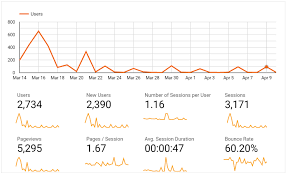
Analytics plays a crucial role in the world of digital marketing, providing valuable insights that can drive strategic decisions and enhance overall performance. By leveraging data and metrics, businesses can gain a deeper understanding of their audience, optimise their campaigns, and ultimately achieve greater success online.
Understanding Audience Behaviour
One of the key benefits of analytics in digital marketing is the ability to track and analyse user behaviour. By monitoring metrics such as website traffic, engagement rates, and conversion rates, businesses can gain valuable insights into how their audience interacts with their online content. This data allows marketers to tailor their strategies to better meet the needs and preferences of their target audience.
Optimising Campaign Performance
Analytics also enables businesses to measure the effectiveness of their marketing campaigns. By tracking key performance indicators (KPIs) such as click-through rates, bounce rates, and return on investment (ROI), marketers can identify areas for improvement and make data-driven decisions to optimise campaign performance. This iterative process of analysis and adjustment is essential for maximising the impact of digital marketing efforts.
Personalising the Customer Experience
Another important aspect of analytics in digital marketing is its role in personalising the customer experience. By segmenting audiences based on demographic information, browsing behaviour, or purchase history, businesses can deliver targeted content that resonates with individual customers. This level of personalisation not only enhances customer satisfaction but also increases the likelihood of conversion.
Measuring ROI and Demonstrating Value
Ultimately, analytics provides businesses with the tools they need to measure the return on investment (ROI) of their digital marketing efforts. By tracking metrics such as cost per acquisition (CPA), customer lifetime value (CLV), and revenue attribution, marketers can quantify the impact of their campaigns and demonstrate value to stakeholders. This data-driven approach not only helps justify marketing spend but also informs future strategies for continued success.
In conclusion, analytics is a powerful tool that empowers businesses to make informed decisions and drive results in the fast-paced world of digital marketing. By harnessing the insights provided by data analysis, businesses can unlock new opportunities for growth, engage with their audience more effectively, and stay ahead of the competition in an increasingly competitive digital landscape.
Essential FAQs on Analytics in Digital Marketing: A Comprehensive Guide
- What is analytics in digital marketing?
- Why is analytics important in digital marketing?
- How can analytics help improve digital marketing campaigns?
- What are the key metrics to track in digital marketing analytics?
- How do businesses use data analysis for audience segmentation in digital marketing?
- What tools are commonly used for analytics in digital marketing?
- How does A/B testing contribute to data-driven decision-making in digital marketing?
- What role does predictive analytics play in shaping digital marketing strategies?
- How can businesses measure the effectiveness of their social media campaigns using analytics?
What is analytics in digital marketing?
Analytics in digital marketing refers to the process of collecting, measuring, and analysing data to gain insights into the performance and effectiveness of online marketing efforts. It involves tracking various metrics such as website traffic, user engagement, conversion rates, and return on investment (ROI) to evaluate the success of digital campaigns. By leveraging analytics tools and techniques, businesses can make informed decisions, optimise their strategies, and enhance the overall impact of their online marketing initiatives. In essence, analytics in digital marketing provides valuable data-driven insights that help businesses understand their audience better, improve targeting efforts, and achieve measurable results in the ever-evolving digital landscape.
Why is analytics important in digital marketing?
Analytics plays a pivotal role in digital marketing as it provides valuable insights that drive strategic decision-making and enhance overall performance. By leveraging data and metrics, businesses can gain a deeper understanding of their audience’s behaviour, preferences, and interactions with online content. This knowledge allows marketers to tailor their strategies effectively, optimise campaign performance, personalise the customer experience, and measure the return on investment (ROI) of their digital marketing efforts. Ultimately, analytics empowers businesses to make informed decisions, demonstrate value to stakeholders, and stay ahead in the competitive digital landscape.
How can analytics help improve digital marketing campaigns?
Analytics plays a pivotal role in enhancing digital marketing campaigns by providing invaluable insights into campaign performance and audience behaviour. By utilising analytics tools to track key metrics such as website traffic, conversion rates, and user engagement, businesses can gain a deeper understanding of what resonates with their target audience. This data-driven approach enables marketers to identify areas for improvement, optimise strategies based on real-time feedback, and ultimately increase the effectiveness and efficiency of their digital marketing campaigns. Through continuous analysis and adjustment informed by analytics, businesses can refine their tactics, deliver more personalised content, and achieve better results in the competitive landscape of digital marketing.
What are the key metrics to track in digital marketing analytics?
When it comes to digital marketing analytics, understanding the key metrics to track is essential for evaluating the success of your campaigns. Some of the crucial metrics include website traffic, conversion rate, click-through rate (CTR), bounce rate, return on investment (ROI), cost per acquisition (CPA), customer lifetime value (CLV), and engagement metrics such as time on site and pages per session. By monitoring these metrics closely, businesses can gain valuable insights into the effectiveness of their digital marketing efforts, identify areas for improvement, and make data-driven decisions to optimise performance and achieve their goals online.
How do businesses use data analysis for audience segmentation in digital marketing?
Businesses utilise data analysis for audience segmentation in digital marketing by first collecting and analysing relevant data points such as demographics, online behaviour, and purchasing patterns. This information is then used to divide the target audience into distinct segments based on common characteristics or interests. By understanding the unique preferences and needs of each segment, businesses can tailor their marketing strategies to deliver personalised content and experiences that resonate with specific groups of customers. Through effective audience segmentation, businesses can enhance engagement, drive conversions, and ultimately maximise the impact of their digital marketing efforts.
What tools are commonly used for analytics in digital marketing?
In the realm of digital marketing analytics, a variety of tools are commonly utilised to gather, analyse, and interpret data that drive strategic decisions. Some popular tools include Google Analytics, which offers comprehensive insights into website traffic and user behaviour; SEMrush, a versatile platform for competitive analysis and keyword research; and HubSpot, known for its robust inbound marketing analytics capabilities. These tools provide marketers with the necessary data to measure campaign performance, track key metrics, and optimise strategies for maximum impact in the dynamic digital landscape.
How does A/B testing contribute to data-driven decision-making in digital marketing?
A/B testing plays a significant role in data-driven decision-making within digital marketing by providing valuable insights into the effectiveness of different strategies and tactics. By comparing two versions of a webpage, email, or ad campaign with slight variations, marketers can collect data on user behaviour and preferences to determine which version performs better in terms of engagement, conversions, or other key metrics. This empirical approach allows marketers to make informed decisions based on concrete evidence rather than assumptions, leading to more effective and targeted digital marketing campaigns that are optimised for success.
What role does predictive analytics play in shaping digital marketing strategies?
Predictive analytics plays a pivotal role in shaping digital marketing strategies by providing businesses with valuable insights into future trends and consumer behaviour. By leveraging historical data and advanced algorithms, predictive analytics can forecast potential outcomes and identify patterns that help marketers make informed decisions. This proactive approach allows businesses to anticipate customer needs, tailor their messaging, and allocate resources more effectively. Ultimately, predictive analytics empowers businesses to stay ahead of the curve, adapt to changing market dynamics, and drive successful digital marketing campaigns that resonate with their target audience.
How can businesses measure the effectiveness of their social media campaigns using analytics?
Businesses can measure the effectiveness of their social media campaigns using analytics by tracking a range of key performance indicators (KPIs) specific to social media platforms. Metrics such as engagement rates, click-through rates, conversion rates, reach, and impressions provide valuable insights into how well a campaign is resonating with the target audience. By analysing these metrics over time and comparing them against predefined goals and benchmarks, businesses can assess the impact of their social media efforts and make data-driven decisions to optimise performance. Additionally, monitoring metrics related to audience demographics, behaviour patterns, and content preferences can help businesses tailor their campaigns for maximum effectiveness and ROI.
Leave a Reply