
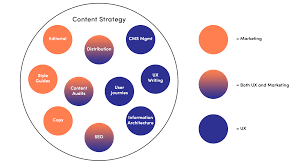
The Importance of Content Strategy in Digital Marketing
In today’s digital landscape, content strategy plays a crucial role in the success of any online business. A well-defined content strategy not only helps attract and engage the target audience but also drives conversions and builds brand loyalty.
What is Content Strategy?
Content strategy is the planning, development, and management of content—whether it’s written, visual, or interactive—across various digital platforms. It involves defining the goals and objectives of the content, identifying the target audience, creating relevant and valuable content, and determining how it will be distributed and promoted.
The Benefits of a Strong Content Strategy
Improved Search Engine Visibility: High-quality, relevant content that is optimised for search engines can help improve your website’s ranking on search engine results pages (SERPs).
Increased Engagement: Engaging and informative content can capture the attention of your audience, encourage interaction, and foster a sense of community around your brand.
Enhanced Brand Authority: Consistently producing valuable content establishes your brand as an authority in your industry, building trust with your audience.
Lead Generation: Strategic content can attract potential customers at different stages of the buyer’s journey and guide them towards making a purchase decision.
Tips for Developing an Effective Content Strategy
To create a successful content strategy, consider the following tips:
- Understand Your Audience: Conduct research to identify your target audience’s needs, preferences, and pain points.
- Create Valuable Content: Develop content that informs, educates, entertains or inspires your audience while aligning with your brand values.
- Diversify Your Content: Use a mix of formats such as blog posts, videos, infographics, podcasts to cater to different preferences.
- Maintain Consistency: Establish a consistent tone of voice and style across all your content to reinforce brand identity.
- Analyse Performance: Monitor key metrics like engagement rates, conversion rates to evaluate the effectiveness of your content strategy and make necessary adjustments.
In Conclusion
A well-crafted content strategy is essential for achieving digital marketing success. By understanding your audience’s needs and delivering valuable content consistently across channels, you can enhance brand visibility, drive engagement and ultimately achieve business growth in today’s competitive online landscape.
Comprehensive Guide: Answering 9 Common Questions About Content Strategy
- What is an example of a content strategy?
- What do you mean by content strategy?
- What are the 7 steps in creating a content strategy?
- What are the 3 components of content strategy?
- What are the 5 pillars of content strategy?
- What is the content strategy method?
- What is a content strategy in marketing?
- What are the 4 steps of content strategy?
- What are the 5 steps on developing content strategy?
What is an example of a content strategy?
An example of a content strategy could be a company that specialises in outdoor gear creating a comprehensive plan to engage its target audience through various digital channels. This strategy may involve producing blog posts about hiking and camping tips, creating visually appealing social media posts showcasing their products in action, launching how-to videos on YouTube, and sending out a monthly newsletter with exclusive discounts and outdoor adventure stories. By consistently delivering valuable and relevant content that resonates with outdoor enthusiasts, the company aims to build brand loyalty, drive website traffic, and ultimately increase sales of their outdoor gear products.
What do you mean by content strategy?
A content strategy encompasses the planning, creation, distribution, and management of content across various digital platforms. It involves defining the purpose and objectives of the content, identifying the target audience, crafting relevant and valuable material, and determining how it will be shared and promoted to achieve specific business goals. Essentially, a robust content strategy ensures that the right content reaches the right audience at the right time, driving engagement, building brand credibility, and ultimately contributing to overall business success in the digital realm.
What are the 7 steps in creating a content strategy?
Creating a successful content strategy involves a structured approach that encompasses seven key steps. These steps typically include defining goals and objectives, conducting audience research, identifying content types and formats, planning content creation and distribution, setting key performance indicators (KPIs) for measurement, implementing the strategy, and regularly analysing and refining the content plan based on data-driven insights. By following these seven steps diligently, businesses can develop a robust content strategy that resonates with their target audience, drives engagement, and achieves desired outcomes in the digital landscape.
What are the 3 components of content strategy?
A common question regarding content strategy often revolves around the key components that make up a comprehensive content strategy. The three fundamental components of content strategy typically include content creation, content management, and content distribution. Content creation involves developing high-quality and relevant content that resonates with the target audience. Content management focuses on organising and structuring content effectively to ensure consistency and coherence across all channels. Lastly, content distribution entails the strategic promotion and dissemination of content through various platforms to reach and engage the intended audience effectively. These three components work together synergistically to form a robust content strategy that drives engagement, enhances brand visibility, and ultimately contributes to business growth in the digital landscape.
What are the 5 pillars of content strategy?
In the realm of content strategy, the concept of the “5 pillars” serves as a foundational framework that guides the development and execution of an effective content strategy. These pillars typically encompass key elements such as content planning, creation, distribution, measurement, and governance. Content planning involves setting clear goals and objectives, identifying target audiences, and conducting research to inform content decisions. The creation pillar focuses on developing high-quality, engaging content that resonates with the audience and aligns with brand values. Distribution strategies ensure that content reaches the right channels and maximises visibility. Measurement involves tracking key performance indicators to assess the effectiveness of the content strategy. Lastly, governance establishes guidelines for maintaining consistency, quality control, and compliance throughout the content lifecycle. By understanding and implementing these 5 pillars of content strategy, businesses can build a solid foundation for success in their digital marketing efforts.
What is the content strategy method?
The content strategy method refers to the systematic approach used to plan, create, distribute, and manage content effectively across various digital platforms. It involves defining clear objectives, understanding the target audience, conducting research, developing relevant and valuable content, determining the best channels for distribution, and evaluating performance through analytics. By following a structured content strategy method, businesses can ensure that their content aligns with their overall goals, resonates with their audience, and ultimately drives engagement and conversions.
What is a content strategy in marketing?
A content strategy in marketing refers to the strategic approach taken to plan, create, distribute, and manage content that resonates with a target audience and aligns with business goals. It involves defining the purpose of the content, identifying the target audience’s needs and preferences, selecting appropriate channels for distribution, and establishing key performance indicators (KPIs) to measure success. A well-crafted content strategy not only helps attract and engage potential customers but also builds brand credibility, drives conversions, and fosters long-term relationships with the audience. By aligning content creation with marketing objectives, businesses can effectively communicate their brand message and differentiate themselves in a competitive digital landscape.
What are the 4 steps of content strategy?
In content strategy, there are typically four key steps that form the foundation of a successful approach. The first step involves defining clear goals and objectives for the content, aligning them with the overall business strategy. The second step is conducting thorough research to understand the target audience’s needs, preferences, and behaviours. This information is crucial for creating relevant and engaging content. The third step focuses on developing a content plan that outlines what type of content will be created, how it will be distributed, and when it will be published. Finally, the fourth step involves measuring the performance of the content against predefined metrics, analysing the results, and making adjustments to continuously improve the content strategy. By following these four steps diligently, businesses can create a structured and effective content strategy that resonates with their audience and drives desired outcomes.
What are the 5 steps on developing content strategy?
Developing a robust content strategy involves a series of essential steps to ensure its effectiveness. The five key steps in creating a successful content strategy typically include: 1. Defining goals and objectives: Clearly outlining the purpose and desired outcomes of the content strategy is crucial for aligning efforts with business objectives. 2. Understanding the target audience: Conducting thorough research to identify the needs, preferences, and behaviours of the target audience helps tailor content to resonate with them effectively. 3. Content creation and planning: Developing high-quality, engaging content that aligns with the brand’s voice and values is essential for attracting and retaining audience interest. 4. Distribution and promotion: Strategically determining how and where the content will be shared across different channels to maximise visibility and reach is key to driving engagement. 5. Monitoring and evaluation: Regularly tracking key performance metrics allows for assessing the impact of the content strategy, identifying areas for improvement, and making data-driven adjustments for continuous success.
Leave a Reply