
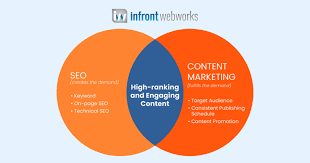
The Synergy of Content Marketing and SEO
Content marketing and search engine optimisation (SEO) are two powerful digital marketing strategies that, when combined effectively, can significantly boost a website’s visibility, traffic, and conversion rates. While they serve distinct purposes, their synergy can produce remarkable results for businesses looking to establish a strong online presence.
Content Marketing: Engaging Your Audience
Content marketing revolves around creating and distributing valuable, relevant, and consistent content to attract and retain a clearly defined audience. By providing informative and engaging content such as articles, blog posts, videos, infographics, and more, businesses can establish themselves as industry authorities and build trust with their target audience.
High-quality content not only educates and entertains but also drives user engagement, encourages social sharing, and enhances brand awareness. It serves as the foundation of a successful digital marketing strategy by capturing the interest of potential customers and nurturing them through the sales funnel.
SEO: Enhancing Visibility and Ranking
SEO focuses on improving a website’s visibility in search engine results pages (SERPs) through organic means. By optimising various on-page and off-page elements such as keywords, meta tags, backlinks, site structure, and more, businesses can increase their chances of ranking higher for relevant search queries.
Search engines like Google constantly update their algorithms to deliver the most relevant and authoritative content to users. Therefore, staying abreast of SEO best practices is crucial for maintaining a competitive edge in the digital landscape. Effective SEO not only drives organic traffic to a website but also enhances its credibility and trustworthiness in the eyes of both users and search engines.
The Power of Integration
When content marketing and SEO work in harmony, the results can be transformative. Compelling content that is optimised for search engines not only attracts more organic traffic but also improves user experience by providing valuable information that meets user intent. Moreover, high-quality content naturally earns backlinks from reputable sources, further boosting the site’s authority in the eyes of search engines.
In conclusion, businesses that leverage the synergy of content marketing and SEO can establish a strong online presence that resonates with their target audience while ranking prominently in search engine results. By creating valuable content that is strategically optimised for search visibility, businesses can drive sustainable growth and achieve long-term success in the digital landscape.
Essential FAQs: Enhancing Business Success Through Content Marketing and SEO
- What is content marketing and how does it benefit my business?
- How does SEO improve my website’s visibility in search engines?
- What are the key elements of a successful content marketing strategy?
- How can I integrate SEO best practices into my content marketing efforts?
- What tools and metrics should I use to measure the effectiveness of my content marketing and SEO strategies?
What is content marketing and how does it benefit my business?
Content marketing is a strategic approach to creating and distributing valuable, relevant content to attract and engage a specific target audience. By providing informative and engaging content such as articles, blog posts, videos, and infographics, businesses can establish themselves as industry authorities and build trust with their customers. The benefits of content marketing for your business are multifaceted – it can increase brand awareness, drive website traffic, enhance customer engagement, improve search engine visibility, and ultimately lead to higher conversion rates. By consistently delivering high-quality content that addresses the needs and interests of your audience, you can cultivate strong relationships with customers and position your business as a trusted resource in your industry.
How does SEO improve my website’s visibility in search engines?
SEO, or search engine optimisation, plays a crucial role in enhancing a website’s visibility in search engines by implementing various strategies to improve its ranking for relevant search queries. By conducting keyword research, optimising on-page elements such as meta tags and headings, creating high-quality content that aligns with user intent, and building authoritative backlinks from reputable sources, SEO helps search engines recognise the relevance and credibility of a website’s content. This process ultimately increases the likelihood of the website appearing higher in search engine results pages (SERPs), making it more visible to users searching for related information or products/services.
What are the key elements of a successful content marketing strategy?
When considering the key elements of a successful content marketing strategy, several factors come into play. Firstly, having a deep understanding of the target audience is essential. Tailoring content to meet their needs and preferences ensures relevance and engagement. Additionally, high-quality and valuable content that addresses specific pain points or provides solutions is crucial for building credibility and trust with the audience. Consistency in publishing content across various channels helps maintain visibility and brand awareness. Effective keyword research and optimisation for SEO purposes can significantly boost organic traffic and improve search engine rankings. Lastly, monitoring and analysing performance metrics to measure success and refine strategies based on data-driven insights are vital components of a successful content marketing strategy.
How can I integrate SEO best practices into my content marketing efforts?
To integrate SEO best practices into your content marketing efforts, it is essential to align your content creation strategy with the principles of search engine optimisation. Start by conducting keyword research to identify relevant terms and phrases that your target audience is searching for. Incorporate these keywords naturally into your content, including headings, subheadings, meta tags, and body text. Focus on creating high-quality, informative content that addresses the needs and interests of your audience while also catering to search engine algorithms. Additionally, ensure that your website structure is optimised for easy navigation and fast loading speeds, as user experience plays a significant role in SEO rankings. By combining engaging content with SEO techniques, you can enhance visibility, attract organic traffic, and ultimately drive meaningful results for your digital marketing efforts.
What tools and metrics should I use to measure the effectiveness of my content marketing and SEO strategies?
When evaluating the effectiveness of your content marketing and SEO strategies, it is essential to utilise a combination of tools and metrics to gain comprehensive insights into their performance. For content marketing, tools such as Google Analytics, SEMrush, and BuzzSumo can provide valuable data on website traffic, engagement metrics, social shares, and keyword performance. Metrics to consider include page views, time on page, bounce rate, conversion rates, and social media reach. In terms of SEO, tools like Moz Pro, Ahrefs, and Google Search Console offer insights into keyword rankings, backlink profiles, site health, and organic search traffic. Key metrics to monitor include organic search visibility, keyword rankings, click-through rates (CTR), domain authority, and inbound links. By regularly analysing these tools and metrics in conjunction with your overarching goals, you can effectively measure the impact of your content marketing and SEO efforts and make informed decisions to optimise your strategies for success.
Leave a Reply