
The Power of Content Marketing in SEO
Content marketing and search engine optimisation (SEO) are two vital components of any successful digital marketing strategy. When combined effectively, they can work wonders for boosting online visibility, driving organic traffic, and increasing conversions.
What is Content Marketing?
Content marketing involves creating and distributing valuable, relevant, and consistent content to attract and engage a target audience. This content can take various forms, including blog posts, articles, videos, infographics, and more. The goal of content marketing is not just to promote a brand but to provide value to the audience by addressing their needs and interests.
The Role of Content Marketing in SEO
Content plays a crucial role in SEO as search engines like Google prioritise high-quality, relevant content when ranking websites. By creating valuable and optimised content that incorporates relevant keywords and provides solutions to users’ queries, businesses can improve their search engine rankings and drive more organic traffic to their site.
Key Benefits of Integrating Content Marketing with SEO
- Increased Visibility: Well-optimised content can help improve your website’s visibility in search engine results pages (SERPs), making it easier for users to find your site.
- Enhanced User Experience: High-quality content not only attracts visitors but also keeps them engaged on your site, leading to a better user experience.
- Builds Authority: Publishing informative and authoritative content can establish your brand as an industry leader and build trust with your audience.
- Boosts Conversions: Relevant content that addresses users’ pain points can drive conversions by guiding visitors through the sales funnel.
Tips for Effective Content Marketing SEO
To maximise the benefits of combining content marketing with SEO, consider the following tips:
- Keyword Research: Conduct thorough keyword research to identify relevant keywords that align with your target audience’s search intent.
- Create High-Quality Content: Focus on creating original, engaging, and informative content that adds value to your audience.
- Optimise On-Page Elements: Optimise meta titles, descriptions, headings, and URLs with targeted keywords to improve visibility in search results.
- Promote Your Content: Share your content across social media platforms and engage with influencers to reach a wider audience.
In conclusion, integrating content marketing with SEO is essential for achieving long-term success in the digital landscape. By creating valuable content that resonates with your target audience and optimising it for search engines, you can enhance your online presence, attract more traffic, and ultimately drive business growth.
Top 20 FAQs on Integrating SEO with Content Marketing
- How is SEO important for content marketing?
- How do I promote SEO content?
- What are the 4 pillars of content marketing?
- How do you do SEO marketing?
- Does content marketing include SEO?
- How do you SEO content?
- What are the 4 types of SEO?
- What is SEO in content marketing?
- How do I make content SEO?
- What are the 4 main categories of content marketing?
- What are the 6 areas of content marketing?
- What is SEO and how it works?
- Does content marketing help with SEO?
- How to use content marketing for SEO?
- What are examples of SEO marketing?
- How do you combine SEO and content marketing?
- Is content marketing off page SEO?
- How does SEO and content marketing work together?
- What are the 5 rules of content marketing?
- Why SEO and content marketing?
How is SEO important for content marketing?
SEO plays a crucial role in content marketing by ensuring that the valuable content created reaches its intended audience effectively. By incorporating SEO best practices such as keyword research, on-page optimisation, and link building, content marketers can improve the visibility of their content in search engine results pages. This increased visibility not only drives organic traffic to the website but also enhances brand awareness and authority. Ultimately, SEO helps content marketing efforts by attracting more users to high-quality content, increasing engagement, and driving conversions.
How do I promote SEO content?
Promoting SEO content is a crucial step in maximising its impact and reaching a wider audience. To effectively promote SEO content, it is essential to utilise various channels and strategies. This can include sharing the content on social media platforms, engaging with industry influencers for potential collaborations or mentions, incorporating relevant keywords in the content to improve search engine visibility, and leveraging email marketing campaigns to notify subscribers about new content. Additionally, participating in online communities and forums related to your industry can help drive traffic to your SEO-optimised content. By implementing a comprehensive promotion strategy, businesses can increase the reach and engagement of their SEO content, ultimately driving organic traffic and improving search engine rankings.
What are the 4 pillars of content marketing?
In the realm of content marketing, the concept of the “4 pillars” serves as a foundational framework for successful strategies. These pillars typically encompass creation, distribution, promotion, and analysis. Firstly, creation involves crafting high-quality and relevant content that resonates with the target audience. Distribution focuses on effectively delivering this content through various channels to reach the intended viewers. Promotion entails actively promoting the content to maximise visibility and engagement. Lastly, analysis plays a crucial role in measuring the performance of content marketing efforts, allowing for continuous improvement and optimisation based on data-driven insights. By leveraging these four pillars effectively, businesses can enhance their SEO efforts and drive meaningful results in their digital marketing endeavours.
How do you do SEO marketing?
When it comes to SEO marketing, the key lies in creating and implementing a comprehensive strategy that focuses on improving a website’s visibility in search engine results. This involves conducting thorough keyword research to identify relevant terms that users are searching for, optimising on-page elements such as meta titles, descriptions, and headings with targeted keywords, creating high-quality and engaging content that resonates with the target audience, building quality backlinks from reputable sources, and monitoring performance through analytics to track progress and make necessary adjustments. By combining these tactics effectively, businesses can enhance their online presence, attract organic traffic, and ultimately drive conversions.
Does content marketing include SEO?
Yes, content marketing and SEO are closely intertwined. While they are distinct strategies, they often overlap and complement each other. Content marketing involves creating valuable and engaging content to attract and engage an audience, while SEO focuses on optimising that content to improve its visibility in search engine results. In essence, content marketing provides the substance and relevance that SEO algorithms look for when ranking websites. By incorporating SEO best practices into content creation, businesses can enhance their online presence, drive organic traffic, and improve their search engine rankings. Therefore, an effective content marketing strategy should always include elements of SEO to maximise its impact and reach a wider audience.
How do you SEO content?
Optimising content for search engines, commonly referred to as SEO content, involves several key steps to ensure it ranks well in search engine results. Firstly, conducting thorough keyword research is essential to identify relevant terms and phrases that users are searching for. Integrating these keywords strategically throughout the content, including in titles, headings, meta descriptions, and body text, helps search engines understand the topic and relevance of the content. Additionally, creating high-quality, informative, and engaging content that addresses users’ queries can improve its visibility and authority online. Regularly updating and maintaining content to reflect current trends and user preferences also plays a crucial role in SEO content strategy. By following these best practices and staying informed about algorithm updates, businesses can effectively optimise their content for search engines and enhance their online presence.
What are the 4 types of SEO?
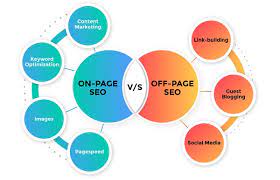
When it comes to Search Engine Optimization (SEO), there are four main types that businesses should consider implementing to improve their online visibility and rankings. The first type is On-Page SEO, which involves optimizing individual web pages with relevant keywords, meta tags, and high-quality content to attract organic traffic. The second type is Off-Page SEO, which focuses on building external links and enhancing the website’s authority through backlinks from reputable sources. Technical SEO is the third type, involving the optimization of website structure, speed, and mobile-friendliness to improve user experience and search engine crawlability. Lastly, Local SEO targets local audiences by optimizing business listings and content for specific geographical regions, helping businesses connect with nearby customers effectively. By incorporating these four types of SEO strategies into their digital marketing efforts, businesses can enhance their online presence and attract more qualified leads.
What is SEO in content marketing?
In the realm of content marketing, SEO (Search Engine Optimisation) plays a pivotal role in enhancing the visibility and performance of content online. SEO in content marketing involves strategically incorporating relevant keywords, optimising meta tags, headers, and URLs, and creating high-quality content that aligns with search engine algorithms. By integrating SEO techniques into content marketing strategies, businesses can improve their website’s ranking on search engine results pages (SERPs), attract organic traffic, and increase audience engagement. Ultimately, SEO in content marketing aims to make valuable content more discoverable and accessible to target audiences, driving overall digital marketing success.
How do I make content SEO?
When it comes to making content SEO-friendly, there are several key factors to consider. Firstly, conducting thorough keyword research is essential to identify relevant keywords that align with your target audience’s search intent. Incorporating these keywords strategically throughout your content, including in titles, headings, meta descriptions, and body copy, can help improve your visibility in search engine results pages (SERPs). Additionally, creating high-quality, original content that provides value to your audience and addresses their needs is crucial for SEO success. By focusing on user engagement and relevance while optimising your content for search engines, you can enhance your online visibility and drive organic traffic to your website.
What are the 4 main categories of content marketing?
In the realm of content marketing, there are four main categories that businesses commonly utilise to engage their target audience and enhance their SEO efforts. These categories include informational content, such as blog posts and articles that provide valuable insights and knowledge to the audience; educational content, which aims to teach and inform the audience about specific topics or skills; entertaining content, such as videos, infographics, or interactive quizzes that captivate and entertain the audience; and promotional content, which showcases products or services in a subtle and engaging manner to drive conversions. By strategically incorporating these four categories into their content marketing strategy, businesses can effectively attract, engage, and convert their online visitors while boosting their search engine visibility.
What are the 6 areas of content marketing?
In content marketing SEO, there are six key areas that businesses should focus on to maximise their online visibility and engagement. These areas include content strategy, content creation, content distribution, audience engagement, performance analysis, and optimisation. A well-rounded approach to content marketing encompasses planning a strategic content roadmap, creating high-quality and relevant content, effectively distributing it across various channels, engaging with the target audience to build relationships, analysing performance metrics to measure success, and continuously optimising strategies based on insights gained. By addressing these six areas comprehensively, businesses can enhance their SEO efforts and achieve sustainable growth in the digital landscape.
What is SEO and how it works?
Search Engine Optimisation (SEO) is a fundamental aspect of digital marketing that focuses on improving a website’s visibility in search engine results pages (SERPs). Essentially, SEO involves optimising various elements of a website to align with search engine algorithms and user intent. This includes keyword research, on-page optimisation, technical SEO, and off-page strategies such as link building. By implementing SEO best practices, businesses can enhance their online presence, attract organic traffic, and ultimately increase their chances of ranking higher in search engine results. SEO works by helping search engines understand the relevance and authority of a website’s content, making it more likely to be displayed to users searching for related topics or products.
Does content marketing help with SEO?
Many businesses often wonder, “Does content marketing help with SEO?” The answer is a resounding yes. Content marketing plays a crucial role in search engine optimisation (SEO) by providing valuable, relevant content that can improve a website’s visibility in search engine results pages. High-quality content that incorporates targeted keywords and addresses users’ queries not only attracts organic traffic but also signals to search engines that the website is authoritative and trustworthy. By integrating content marketing strategies with SEO best practices, businesses can enhance their online presence, drive more traffic to their site, and ultimately improve their search engine rankings.
How to use content marketing for SEO?
To effectively use content marketing for SEO, businesses should focus on creating high-quality, relevant content that aligns with their target audience’s needs and interests. Conducting thorough keyword research to identify relevant search terms and incorporating them strategically into the content can help improve search engine visibility. Additionally, optimising on-page elements such as meta titles, descriptions, headings, and URLs with targeted keywords can further enhance SEO performance. Promoting the content through social media channels and engaging with influencers can also help increase visibility and drive organic traffic to the website. By combining valuable content creation with SEO best practices, businesses can maximise their online presence and attract more qualified leads.
What are examples of SEO marketing?
When exploring the realm of SEO marketing, it is essential to consider various strategies and tactics that can enhance a website’s visibility and ranking on search engine results pages. Examples of SEO marketing include keyword research and optimisation, on-page SEO techniques such as meta tags and headings, off-page SEO practices like link building and social media engagement, local SEO for targeting specific geographic locations, and technical SEO aspects such as site speed optimisation and mobile responsiveness. By implementing a holistic approach to SEO marketing that encompasses these strategies, businesses can improve their online presence and attract more organic traffic to their websites.
How do you combine SEO and content marketing?
Combining SEO and content marketing involves a strategic approach to maximise the visibility and effectiveness of your online presence. To merge these two essential elements successfully, it is crucial to create high-quality, relevant content that is optimised for search engines. This includes conducting thorough keyword research, incorporating targeted keywords naturally into your content, and optimising on-page elements such as meta titles, descriptions, and headings. By aligning your content strategy with SEO best practices, you can enhance your website’s search engine rankings, drive organic traffic, and ultimately achieve your digital marketing goals.
Is content marketing off page SEO?
In the realm of SEO, content marketing and off-page SEO are distinct yet interconnected strategies. While content marketing primarily focuses on creating valuable and engaging content to attract and engage audiences, off-page SEO encompasses external factors that influence a website’s search engine rankings, such as backlinks and social signals. Although content marketing is not synonymous with off-page SEO, the two often complement each other to enhance a website’s overall visibility and authority in search engine results. By producing high-quality content that attracts natural backlinks and social shares, businesses can effectively leverage the synergy between content marketing and off-page SEO to boost their online presence and organic traffic.
How does SEO and content marketing work together?
SEO and content marketing work hand in hand to enhance a website’s online visibility and drive organic traffic. SEO focuses on optimising a website’s technical aspects, such as meta tags, site structure, and backlinks, to improve its search engine rankings. On the other hand, content marketing involves creating high-quality, relevant content that resonates with the target audience and addresses their needs. By combining SEO techniques with compelling content creation, businesses can attract more visitors to their site, engage them with valuable information, and ultimately convert them into customers. In essence, SEO provides the framework for content marketing to thrive by ensuring that the right audience can discover and engage with the valuable content being produced.
What are the 5 rules of content marketing?
When it comes to content marketing, there are five key rules that can help businesses maximise their impact and effectiveness. The first rule is to understand your audience thoroughly. By knowing your target demographic’s preferences, behaviours, and pain points, you can create content that resonates with them. The second rule is to focus on quality over quantity. Producing high-quality, valuable content will drive engagement and build trust with your audience. Thirdly, consistency is crucial in content marketing. Regularly publishing fresh, relevant content keeps your audience engaged and helps maintain a strong online presence. Additionally, leveraging SEO best practices is essential to ensure your content ranks well in search engine results. Lastly, measuring and analysing the performance of your content allows you to refine your strategy and optimise future efforts for better results. By following these five rules of content marketing, businesses can enhance their online visibility and drive meaningful connections with their target audience.
Why SEO and content marketing?
The integration of SEO and content marketing is essential for businesses looking to enhance their online visibility and drive organic traffic to their websites. SEO focuses on optimising a website’s technical aspects and structure to improve its search engine rankings, while content marketing involves creating valuable, relevant content to engage and attract the target audience. By combining these two strategies, businesses can not only increase their online presence but also deliver meaningful content that resonates with users and addresses their needs. This synergy between SEO and content marketing ultimately leads to improved search rankings, enhanced user experience, and higher conversion rates, making it a powerful approach for achieving digital marketing success.
Leave a Reply