
The Power of Inbound SEO
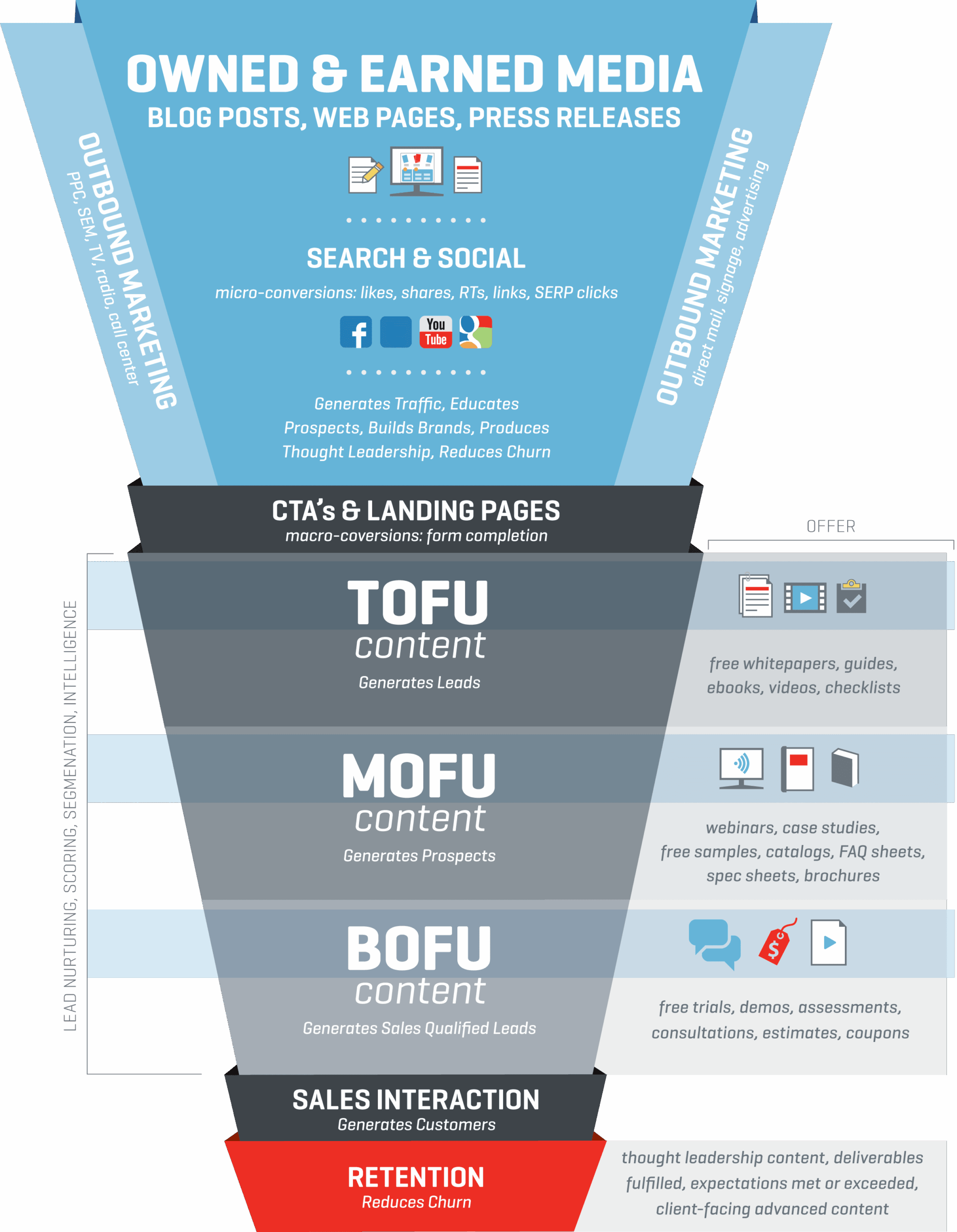
Inbound SEO, also known as inbound search engine optimisation, is a powerful strategy that focuses on creating valuable content to attract and engage users organically. Unlike traditional outbound marketing techniques that interrupt audiences, inbound SEO aims to provide relevant and helpful information that users are actively searching for.
Key Components of Inbound SEO:
- Content Creation: High-quality, informative content is at the core of inbound SEO. By creating valuable resources such as blog posts, articles, videos, and infographics, businesses can attract users who are seeking solutions to their problems.
- Keyword Research: Understanding the keywords and phrases your target audience uses when searching online is essential for effective inbound SEO. By incorporating relevant keywords naturally into your content, you can improve your visibility in search engine results.
- On-Page Optimisation: Optimising your website’s structure, meta tags, headings, and images can enhance user experience and make it easier for search engines to crawl and index your site’s content.
- Link Building: Building quality backlinks from reputable websites can boost your site’s authority and credibility in the eyes of search engines. Natural link building through guest posting, partnerships, and content promotion is key to a successful inbound SEO strategy.
- Social Media Engagement: Leveraging social media platforms to promote your content and engage with your audience can amplify the reach of your inbound SEO efforts. Sharing valuable resources and fostering conversations can drive traffic back to your website.
The Benefits of Inbound SEO:
Inbound SEO offers numerous benefits for businesses looking to improve their online presence:
- Increased Visibility: By creating valuable content that resonates with users’ needs and interests, businesses can improve their visibility in search engine results pages (SERPs).
- Higher Quality Traffic: Since inbound SEO targets users actively seeking information related to your products or services, the traffic generated is more likely to convert into leads or customers.
- Long-Term Results: Unlike paid advertising campaigns that stop once the budget runs out, inbound SEO efforts can continue to drive organic traffic over time with proper maintenance and updates.
- Better User Experience: By focusing on creating valuable content and optimising website usability, businesses can enhance the overall user experience and build trust with their audience.
- Cost-Effectiveness: While inbound SEO requires an initial investment in time and resources, the long-term benefits often outweigh the costs associated with traditional outbound marketing strategies.
In conclusion, inbound SEO is a proven strategy for businesses looking to attract qualified leads, build brand authority, and establish a strong online presence. By prioritising valuable content creation, keyword optimisation, link building, social media engagement, and user experience improvements, businesses can harness the power of inbound SEO to drive sustainable growth in today’s competitive digital landscape.
9 Essential Tips for Boosting Inbound SEO Effectiveness
- Create high-quality, relevant content that provides value to your audience.
- Optimize your website structure and navigation for a user-friendly experience.
- Use targeted keywords strategically throughout your content and meta tags.
- Build quality backlinks from reputable websites in your industry.
- Optimize your website for mobile devices to improve user experience and SEO rankings.
- Utilize social media platforms to promote your content and engage with your audience.
- Regularly monitor and analyse your website’s performance using tools like Google Analytics.
- Stay updated on SEO trends and algorithm changes to adapt your strategy accordingly.
- Consider creating a blog or resource section on your website to attract more organic traffic.
Create high-quality, relevant content that provides value to your audience.
Creating high-quality, relevant content that offers genuine value to your audience is a fundamental tip for successful inbound SEO. By focusing on producing informative and engaging content that addresses the needs and interests of your target audience, you can attract organic traffic and build credibility in the eyes of search engines. Valuable content not only helps improve your visibility in search results but also fosters trust and loyalty among your audience, ultimately driving conversions and long-term success for your business.
Optimize your website structure and navigation for a user-friendly experience.
To enhance your inbound SEO strategy, it is essential to optimise your website structure and navigation to provide a seamless and user-friendly experience for visitors. By organising your content logically, implementing clear navigation menus, and ensuring easy access to important information, you can improve user engagement and encourage visitors to explore more pages on your site. A well-structured website not only enhances user experience but also helps search engines crawl and index your content more effectively, ultimately boosting your visibility in search results. Prioritising user-friendly design elements can lead to increased traffic, higher retention rates, and improved conversion opportunities for your business.
Use targeted keywords strategically throughout your content and meta tags.
To maximise the effectiveness of your inbound SEO strategy, it is essential to use targeted keywords strategically throughout your content and meta tags. By incorporating relevant keywords that align with what your target audience is searching for, you can improve your website’s visibility in search engine results pages (SERPs) and attract qualified traffic. Ensuring that these keywords are seamlessly integrated into your content and meta tags can enhance the overall user experience and signal to search engines the relevance of your website to users’ queries. Strategic keyword usage is a fundamental aspect of inbound SEO that can significantly impact your online visibility and organic traffic growth.
Build quality backlinks from reputable websites in your industry.
Building quality backlinks from reputable websites within your industry is a crucial aspect of a successful inbound SEO strategy. By establishing connections with trusted sources that are relevant to your niche, you not only enhance your website’s credibility in the eyes of search engines but also attract valuable traffic from users who are genuinely interested in your products or services. These backlinks act as endorsements of your content and can significantly boost your site’s authority, ultimately improving your search engine rankings and driving organic growth for your business.
Optimize your website for mobile devices to improve user experience and SEO rankings.
Optimising your website for mobile devices is a crucial step in enhancing user experience and boosting SEO rankings. With the increasing number of users accessing websites on smartphones and tablets, ensuring that your site is mobile-friendly not only makes navigation easier for visitors but also signals to search engines that your site is responsive and user-centric. By prioritising mobile optimisation, you can improve engagement, reduce bounce rates, and ultimately strengthen your position in search engine results pages, driving more organic traffic to your site.
Utilize social media platforms to promote your content and engage with your audience.
Utilising social media platforms to promote your content and engage with your audience is a crucial tip in inbound SEO. By sharing valuable resources, engaging with followers, and fostering meaningful conversations on platforms like Facebook, Twitter, LinkedIn, and Instagram, businesses can amplify the reach of their content and drive traffic back to their website. Building a strong social media presence not only increases brand visibility but also allows businesses to connect with their audience on a more personal level, ultimately enhancing their overall inbound SEO strategy.
Regularly monitor and analyse your website’s performance using tools like Google Analytics.
Regularly monitoring and analysing your website’s performance using tools like Google Analytics is crucial for a successful inbound SEO strategy. By tracking key metrics such as website traffic, user behaviour, conversion rates, and keyword performance, you can gain valuable insights into what is working well and areas that may need improvement. This data-driven approach allows you to make informed decisions, optimise your content and strategies, and ultimately enhance your website’s visibility and effectiveness in attracting and engaging your target audience.
Stay updated on SEO trends and algorithm changes to adapt your strategy accordingly.
To succeed in inbound SEO, it is crucial to stay informed about the latest trends and algorithm updates in the ever-evolving digital landscape. By keeping abreast of SEO developments, businesses can adapt their strategies proactively to align with search engine requirements and user preferences. This ongoing commitment to learning and adjusting ensures that your content remains relevant, visible, and engaging to your target audience, ultimately driving sustainable growth and success in the competitive online environment.
Consider creating a blog or resource section on your website to attract more organic traffic.
Consider creating a blog or resource section on your website to attract more organic traffic. By regularly publishing valuable and informative content that addresses the needs and interests of your target audience, you can improve your website’s visibility in search engine results and establish your brand as a trusted source of information. A blog or resource section not only helps drive organic traffic to your site but also provides opportunities to engage with users, showcase your expertise, and build credibility within your industry. Investing in content creation as part of your inbound SEO strategy can yield long-term benefits by attracting qualified leads and nurturing relationships with potential customers.
Leave a Reply