
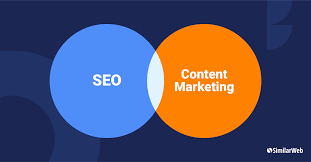
The Power of SEO and Content Marketing
In today’s digital landscape, SEO (Search Engine Optimisation) and content marketing have become essential components of any successful online strategy. While they are distinct disciplines, when combined effectively, they have the power to significantly boost a website’s visibility, traffic, and overall performance.
SEO: Driving Organic Traffic
SEO focuses on improving a website’s visibility in search engine results pages (SERPs) through optimisation techniques. By targeting relevant keywords, improving site structure, and enhancing user experience, SEO helps websites rank higher in search results for specific queries.
Organic traffic generated through SEO is highly valuable as it represents users actively searching for information or solutions related to a business’s offerings. By appearing prominently in search results, websites can attract targeted visitors who are more likely to convert into customers or leads.
Content Marketing: Engaging Audiences
Content marketing involves creating and distributing valuable, relevant content to attract and engage a target audience. This content can take various forms, including articles, blog posts, videos, infographics, and more. The goal of content marketing is not only to drive traffic but also to build brand awareness, establish authority in the industry, and nurture customer relationships.
High-quality content that resonates with audiences can drive organic traffic to a website and encourage social sharing and inbound links—factors that contribute positively to SEO performance. Additionally, engaging content keeps visitors on the site longer, reduces bounce rates, and increases the likelihood of conversion.
The Synergy Between SEO and Content Marketing
When SEO and content marketing work together seamlessly, the results can be transformative. Optimised content not only ranks well in search engines but also provides value to users by addressing their needs and interests. Search engines reward websites that offer relevant and authoritative content with higher rankings—a win-win situation for both businesses and their audiences.
By conducting keyword research to inform content creation strategies, optimising on-page elements for search visibility, and promoting content through various channels (such as social media), businesses can maximise the impact of their digital efforts. Regular monitoring of performance metrics allows for continuous refinement of strategies based on data-driven insights.
In Conclusion
SEO and content marketing are powerful tools that complement each other in driving online success. By investing in quality content creation supported by effective SEO practices, businesses can enhance their online presence, attract qualified traffic, and achieve long-term growth in a competitive digital landscape.
Essential FAQs on SEO and Content Marketing: Strategies, Best Practices, and Performance Metrics
- What is SEO and how does it work?
- Why is content marketing important for SEO?
- How can I improve my website’s SEO performance?
- What are the best practices for keyword research in content marketing?
- How do backlinks impact SEO and content marketing strategies?
- What metrics should I track to measure the success of my SEO and content marketing efforts?
What is SEO and how does it work?
SEO, or Search Engine Optimisation, is a fundamental aspect of digital marketing that focuses on improving a website’s visibility in search engine results pages (SERPs). It involves a combination of strategies and techniques designed to enhance a site’s relevance and authority in the eyes of search engines like Google. SEO works by analysing and optimising various elements of a website, such as content, keywords, meta tags, and backlinks, to align with search engine algorithms and user intent. By implementing best practices and staying updated on industry trends, businesses can increase their chances of ranking higher in search results and attracting organic traffic from users actively seeking their products or services.
Why is content marketing important for SEO?
Content marketing plays a crucial role in SEO by providing valuable, relevant content that not only engages audiences but also enhances a website’s search engine visibility. Search engines like Google prioritise high-quality, user-focused content when determining search rankings. By creating informative and engaging content that incorporates relevant keywords and addresses the needs of target audiences, businesses can improve their SEO performance. Content marketing helps attract organic traffic, encourages social sharing and inbound links, and keeps visitors on the site longer—all factors that contribute to higher search engine rankings and ultimately drive online success.
How can I improve my website’s SEO performance?
To enhance your website’s SEO performance, it is crucial to focus on a combination of strategic tactics. Start by conducting thorough keyword research to identify relevant terms that your target audience is searching for. Optimise your website’s on-page elements, including meta tags, headings, and image alt text, with these keywords to improve search engine visibility. Create high-quality, engaging content that provides value to users and incorporates targeted keywords naturally. Regularly update and add fresh content to keep your site dynamic and appealing to both visitors and search engines. Additionally, build quality backlinks from reputable sources to establish authority and credibility in your industry. Monitoring performance metrics and making data-driven adjustments will help you continuously refine your SEO strategy for optimal results.
What are the best practices for keyword research in content marketing?
When it comes to keyword research in content marketing, implementing best practices is crucial for achieving optimal results. Conducting thorough keyword research involves identifying relevant search terms and phrases that align with the target audience’s intent and interests. It is essential to consider factors such as search volume, competition levels, and user relevance to select the most effective keywords. Utilising tools like Google Keyword Planner, SEMrush, or Ahrefs can provide valuable insights into keyword performance metrics and trends. Additionally, incorporating long-tail keywords and semantic variations can help diversify content and capture a broader range of search queries. By continuously refining and updating keyword strategies based on analytics data and industry trends, businesses can enhance their SEO efforts and maximise the impact of their content marketing campaigns.
How do backlinks impact SEO and content marketing strategies?
Backlinks play a crucial role in shaping the effectiveness of SEO and content marketing strategies. In the realm of SEO, backlinks serve as a vote of confidence from other websites, indicating to search engines that a particular site is reputable and worthy of higher rankings. Quality backlinks can significantly enhance a website’s authority and visibility in search results. From a content marketing perspective, backlinks are essential for driving referral traffic and expanding the reach of valuable content. By earning relevant and authoritative backlinks to their content, businesses can not only improve SEO performance but also establish credibility within their industry and attract a wider audience. Ultimately, the strategic acquisition of backlinks is integral to the success of both SEO and content marketing efforts.
What metrics should I track to measure the success of my SEO and content marketing efforts?
When evaluating the effectiveness of your SEO and content marketing strategies, it is crucial to track a variety of key metrics to gauge performance accurately. For SEO, metrics such as organic traffic, keyword rankings, backlink profile, and click-through rates provide insights into visibility and search engine performance. On the other hand, content marketing success can be measured through metrics like website engagement (such as time on page and bounce rate), social shares, lead generation, and conversion rates. By monitoring these metrics closely and analysing the data regularly, you can assess the impact of your efforts, identify areas for improvement, and make informed decisions to optimise your online presence effectively.
Leave a Reply