
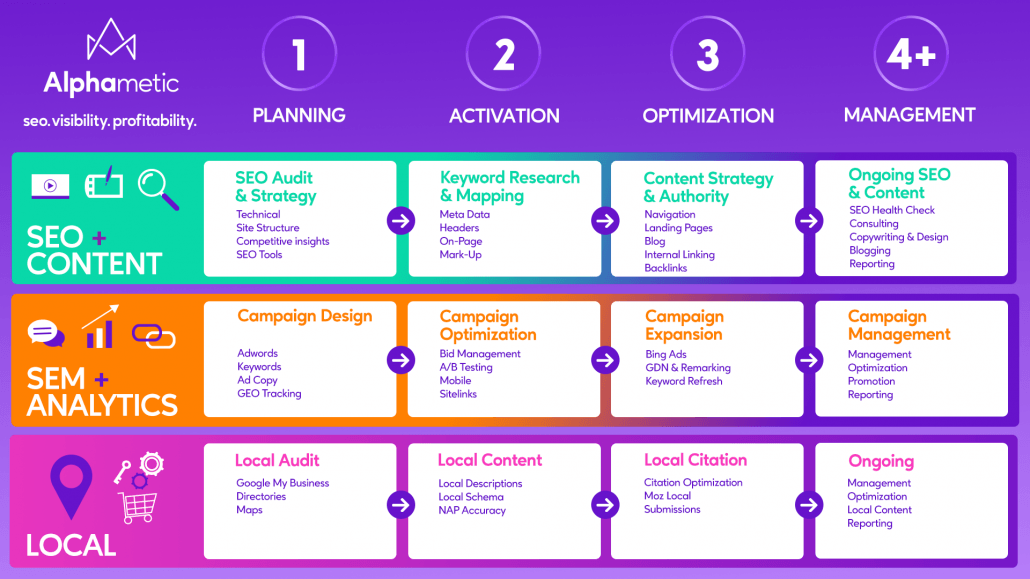
SEO (Search Engine Optimisation) and SEM (Search Engine Marketing) are two crucial components of digital marketing that work hand in hand to enhance a website’s visibility and drive targeted traffic. While both strategies focus on improving a website’s performance in search engine results pages (SERPs), they differ in their approach and objectives.
SEO: Enhancing Organic Visibility
SEO is the practice of optimising a website to improve its organic ranking in search engine results. This involves various techniques such as keyword research, on-page optimisation, link building, and content creation. The goal of SEO is to increase a website’s visibility for relevant search queries without paying for placement.
By implementing SEO best practices, websites can attract more organic traffic, build credibility with search engines, and ultimately drive conversions. A well-executed SEO strategy can lead to long-term benefits by establishing a strong online presence that continues to generate results over time.
SEM: Driving Targeted Traffic Through Paid Advertising
SEM, on the other hand, involves paid advertising efforts to increase a website’s visibility in search engine results. This typically includes pay-per-click (PPC) campaigns where advertisers bid on keywords to have their ads displayed at the top of search results pages. SEM allows businesses to target specific audiences based on demographics, interests, and search intent.
SEM provides immediate results by driving targeted traffic to a website through paid placements. Advertisers have control over their ad spend and can track performance metrics such as click-through rates, conversions, and return on investment (ROI). SEM is particularly effective for businesses looking to quickly boost their online visibility and reach a specific audience segment.
The Synergy Between SEO and SEM
While SEO and SEM serve different purposes, they complement each other when used together effectively. By combining organic efforts with paid advertising strategies, businesses can maximise their online presence and reach a wider audience across various touchpoints.
SEO lays the foundation for long-term success by improving organic rankings and attracting sustainable traffic over time. Meanwhile, SEM offers immediate visibility and targeted exposure through paid placements. When integrated strategically, SEO and SEM create a powerful synergy that drives consistent traffic, increases brand awareness, and ultimately leads to higher conversion rates.
In conclusion, SEO and SEM are essential components of a comprehensive digital marketing strategy. By understanding the unique benefits of each approach and leveraging them in tandem, businesses can optimise their online presence, attract quality traffic, and achieve sustainable growth in an increasingly competitive digital landscape.
18 Common Questions About SEO and SEM in Digital Marketing
- Is Google a SEO or SEM?
- What is SEO and SEM in digital marketing?
- What is SEO vs SMO vs SEM?
- Is Google ads SEM or SEO?
- What is SEO and SEM in marketing?
- What is SEO vs SEM vs PPC?
- What does SEM mean in marketing?
- What is an SEO in marketing?
- Which is better SEO or SEM?
- How is SEM different than SEO?
- What is SEM used for in marketing?
- Is SEM or SEO better?
- What does SEO and SEM do?
- What does SEM mean in SEO?
- Is SEO or SEM paid?
- What is SEM in marketing?
- What is SEO and SEM?
- Are SEM and SEO the same?
Is Google a SEO or SEM?
When addressing the frequently asked question of whether Google is a SEO or SEM, it’s important to clarify that Google itself is a search engine and not a specific marketing strategy. Google provides the platform where SEO (Search Engine Optimisation) and SEM (Search Engine Marketing) strategies are implemented to improve a website’s visibility in search results. SEO focuses on organic methods to enhance a website’s ranking in Google’s search results, while SEM involves paid advertising efforts on Google’s platform to drive targeted traffic. Therefore, Google serves as the medium through which both SEO and SEM strategies are executed, rather than being classified as one or the other.
What is SEO and SEM in digital marketing?
In the realm of digital marketing, SEO (Search Engine Optimisation) and SEM (Search Engine Marketing) play pivotal roles in enhancing a website’s visibility and driving targeted traffic. SEO involves organic strategies such as keyword optimisation, content creation, and link building to improve a website’s ranking in search engine results pages. On the other hand, SEM encompasses paid advertising efforts like PPC campaigns to increase a website’s visibility through sponsored placements. While SEO focuses on long-term organic growth, SEM delivers immediate results through paid promotions. Together, these two approaches work synergistically to maximise online presence, attract quality traffic, and boost conversions in the competitive digital landscape.
What is SEO vs SMO vs SEM?
When comparing SEO, SMO, and SEM in the realm of digital marketing, it’s essential to understand their distinct roles and objectives. SEO (Search Engine Optimisation) focuses on improving a website’s organic visibility in search engine results through strategies like keyword optimisation and content creation. SMO (Social Media Optimisation), on the other hand, emphasises enhancing a brand’s presence on social media platforms to engage with audiences and drive traffic. SEM (Search Engine Marketing) involves paid advertising efforts to increase a website’s visibility in search engine results pages. While SEO and SMO primarily target organic growth, SEM leverages paid placements for immediate visibility. Each of these strategies plays a vital role in a comprehensive digital marketing approach, offering unique benefits for increasing online visibility and driving targeted traffic.
Is Google ads SEM or SEO?
When discussing the distinction between SEO and SEM in the context of Google Ads, it’s important to clarify that Google Ads falls under the SEM category. While SEO focuses on organic strategies to improve a website’s visibility in search engine results, SEM encompasses paid advertising efforts to drive targeted traffic. Google Ads, formerly known as Google AdWords, is a powerful platform that allows advertisers to create and manage paid campaigns to appear at the top of search results pages. By bidding on keywords and setting specific targeting parameters, businesses can leverage Google Ads as part of their SEM strategy to reach a relevant audience and drive immediate traffic to their website.
What is SEO and SEM in marketing?
In the realm of marketing, SEO (Search Engine Optimisation) and SEM (Search Engine Marketing) play pivotal roles in enhancing a brand’s online visibility and driving targeted traffic to its website. SEO focuses on optimising a website’s content and structure to improve its organic ranking in search engine results, thus increasing visibility for relevant searches without paid placements. On the other hand, SEM involves paid advertising efforts to boost a website’s visibility through sponsored listings in search results. By understanding the distinct yet complementary functions of SEO and SEM, businesses can create a holistic digital marketing strategy that maximises their online presence and effectively reaches their target audience.
What is SEO vs SEM vs PPC?
One frequently asked question in the realm of digital marketing is the distinction between SEO, SEM, and PPC. SEO (Search Engine Optimisation) focuses on improving a website’s organic visibility in search engine results through strategies like keyword optimisation and content creation. SEM (Search Engine Marketing) encompasses a broader approach that includes both organic SEO efforts and paid advertising to enhance a website’s visibility. PPC (Pay-Per-Click) is a specific form of SEM where advertisers pay for clicks on their ads displayed in search engine results. While SEO and SEM are broader concepts, PPC is a subset of SEM that involves direct payment for ad clicks. Understanding the differences between SEO, SEM, and PPC is crucial for businesses looking to develop a comprehensive digital marketing strategy that maximises their online presence and drives targeted traffic.
What does SEM mean in marketing?
In the realm of marketing, SEM stands for Search Engine Marketing. It encompasses various paid advertising strategies that businesses employ to enhance their online visibility and reach a targeted audience. SEM involves activities such as pay-per-click (PPC) campaigns, display advertising, and remarketing efforts to promote websites on search engine results pages. By investing in SEM, businesses can effectively drive traffic to their websites, increase brand awareness, and generate leads through strategic placement of paid ads.SEM plays a vital role in complementing organic search efforts (SEO) and is a key component of a holistic digital marketing strategy aimed at maximising online presence and achieving measurable results.
What is an SEO in marketing?
In the realm of marketing, SEO, which stands for Search Engine Optimisation, plays a pivotal role in enhancing a website’s visibility and organic traffic through strategic techniques and practices. SEO in marketing involves optimising various elements of a website, such as content, meta tags, and backlinks, to improve its ranking on search engine results pages (SERPs). By targeting relevant keywords and providing valuable content that aligns with user intent, SEO helps businesses attract quality traffic from search engines like Google. Ultimately, SEO in marketing is about creating a strong online presence that not only increases visibility but also establishes credibility and drives conversions for businesses looking to succeed in the digital landscape.
Which is better SEO or SEM?
When considering whether SEO or SEM is better for your marketing strategy, it’s essential to understand that both approaches serve distinct purposes and offer unique benefits. SEO focuses on improving organic visibility in search engine results through optimisation techniques, while SEM involves paid advertising to drive targeted traffic. The choice between SEO and SEM depends on your specific goals, timeline, and budget. SEO is ideal for long-term sustainable growth and brand credibility, while SEM provides immediate visibility and control over ad spend. Ultimately, the most effective strategy often involves a combination of both SEO and SEM to maximise online presence and reach a diverse audience effectively.
How is SEM different than SEO?
In the realm of digital marketing, the key distinction between SEM (Search Engine Marketing) and SEO (Search Engine Optimisation) lies in their fundamental approaches to enhancing online visibility. SEM involves paid advertising efforts to secure immediate placement at the top of search engine results pages, allowing businesses to target specific audiences through strategic keyword bidding. On the other hand, SEO focuses on organic strategies to improve a website’s ranking in search results without direct payment, relying on factors like content quality, keyword optimisation, and backlinking. While SEM offers quick visibility through paid placements, SEO aims for sustainable long-term results by establishing credibility with search engines and attracting organic traffic based on relevance and quality. Understanding the nuances between SEM and SEO is crucial for crafting a comprehensive digital marketing strategy that maximises online presence and drives targeted traffic effectively.
What is SEM used for in marketing?
SEM, or Search Engine Marketing, plays a pivotal role in marketing by providing businesses with a powerful tool to increase their online visibility and reach targeted audiences. SEM is primarily used for driving traffic to websites through paid advertising efforts, such as pay-per-click (PPC) campaigns. By bidding on relevant keywords and creating compelling ad copy, businesses can ensure their ads appear prominently in search engine results pages (SERPs) when users search for specific terms related to their products or services. SEM allows companies to target specific demographics, locations, and search intents, making it an effective way to generate immediate traffic, increase brand awareness, and drive conversions in a competitive digital landscape.
Is SEM or SEO better?
When considering the question of whether SEM or SEO is better, it’s important to recognise that both strategies play distinct roles in a comprehensive digital marketing approach. SEM (Search Engine Marketing) offers immediate visibility through paid advertising, allowing businesses to target specific audiences and drive quick results. On the other hand, SEO (Search Engine Optimisation) focuses on improving organic rankings over time, leading to sustainable traffic and long-term benefits. The effectiveness of SEM versus SEO depends on factors such as budget, timeline, and marketing objectives. While SEM can deliver instant results and targeted exposure, SEO lays the groundwork for lasting online visibility and credibility. Ultimately, the decision between SEM and SEO should be based on a business’s unique goals and resources to create a well-rounded digital marketing strategy that leverages the strengths of both approaches.
What does SEO and SEM do?
SEO (Search Engine Optimisation) and SEM (Search Engine Marketing) play crucial roles in enhancing a website’s visibility and driving targeted traffic. SEO focuses on optimising a website to improve its organic ranking in search engine results, using techniques such as keyword research, on-page optimisation, and link building. On the other hand, SEM involves paid advertising efforts to increase a website’s visibility through strategies like pay-per-click campaigns. Together, SEO and SEM work to attract more organic and paid traffic to a website, ultimately boosting its online presence and helping businesses reach their target audience effectively in the competitive digital landscape.
What does SEM mean in SEO?
One frequently asked question in the realm of SEO SEM marketing is: “What does SEM mean in SEO?” SEM, which stands for Search Engine Marketing, is often confused with SEO (Search Engine Optimisation) due to their overlapping objectives of improving online visibility. However, SEM specifically refers to the practice of using paid advertising strategies to enhance a website’s presence in search engine results. While SEO focuses on organic tactics like keyword optimisation and content creation, SEM involves paid efforts such as pay-per-click (PPC) campaigns to drive targeted traffic and increase visibility on search engines. Understanding the distinction between SEM and SEO is crucial for businesses looking to leverage both strategies effectively in their digital marketing efforts.
Is SEO or SEM paid?
In the realm of SEO and SEM marketing, it is important to distinguish between the two in terms of payment structure. SEO (Search Engine Optimisation) focuses on improving organic visibility in search engine results and does not involve direct payment to search engines for placement. On the other hand, SEM (Search Engine Marketing) typically involves paid advertising efforts, such as pay-per-click (PPC) campaigns, where advertisers bid on keywords to have their ads displayed prominently in search results. While SEO is not directly paid for placement, SEM requires a budget for ad spend to drive targeted traffic through paid placements. Understanding the differences in payment structures between SEO and SEM is crucial for businesses looking to effectively leverage both strategies in their digital marketing efforts.
What is SEM in marketing?
SEM, which stands for Search Engine Marketing, is a digital marketing strategy that involves promoting a website’s visibility in search engine results pages through paid advertising. Unlike SEO (Search Engine Optimisation), which focuses on improving organic rankings, SEM allows businesses to reach their target audience quickly by bidding on keywords and displaying ads at the top of search results. SEM encompasses pay-per-click (PPC) campaigns, where advertisers pay for clicks on their ads, and provides a measurable way to drive targeted traffic to a website while controlling ad spend and monitoring performance metrics such as click-through rates and conversions. In essence, SEM is a powerful tool in marketing that enables businesses to enhance their online presence and attract quality leads through strategic paid advertising efforts.
What is SEO and SEM?
SEO (Search Engine Optimisation) and SEM (Search Engine Marketing) are fundamental concepts in digital marketing that play a crucial role in enhancing a website’s visibility and driving targeted traffic. SEO focuses on improving organic search rankings through strategies like keyword optimisation, content creation, and link building, aiming to attract relevant traffic without paid placements. On the other hand, SEM involves paid advertising efforts, such as PPC campaigns, to increase a website’s visibility in search engine results pages. By understanding the differences between SEO and SEM and how they work together synergistically, businesses can develop comprehensive online strategies to maximise their online presence and reach their target audience effectively.
Are SEM and SEO the same?
One common question in the realm of digital marketing is whether SEM (Search Engine Marketing) and SEO (Search Engine Optimisation) are the same. While both SEM and SEO share the goal of improving a website’s visibility in search engine results, they differ in their approach and execution. SEO focuses on organic strategies to enhance a website’s ranking in search results without paid advertising, while SEM involves paid tactics such as PPC (Pay-Per-Click) campaigns to drive targeted traffic. In essence, SEO is a subset of SEM, with SEM encompassing a broader range of paid marketing efforts beyond just organic optimisation. Understanding the distinctions between SEM and SEO is crucial for developing a comprehensive digital marketing strategy that leverages both approaches effectively.
Leave a Reply