
The Power of Paid Social Media Advertising
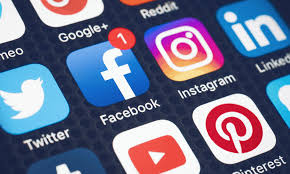
Social media has become an integral part of our daily lives, with billions of users engaging on platforms like Facebook, Instagram, Twitter, and LinkedIn. For businesses, this presents a valuable opportunity to reach their target audience in a more direct and targeted way through paid social media advertising.
What is Paid Social Media Advertising?
Paid social media advertising involves businesses paying to display ads or sponsored messages on social media platforms. These ads can appear in users’ news feeds, stories, or sidebars, depending on the platform and the targeting options chosen by the advertiser.
The Benefits of Paid Social Media Advertising
Targeted Reach: With paid social media advertising, businesses can target their ads to specific demographics, interests, behaviours, and locations. This precision targeting ensures that the right audience sees the ad, increasing the chances of engagement and conversion.
Increase Brand Awareness: Paid social media advertising allows businesses to increase their brand visibility and reach a larger audience than organic posts alone. By promoting content to a wider audience, businesses can attract new followers and potential customers.
Drive Traffic and Conversions: By directing users to specific landing pages or product pages through paid ads, businesses can drive traffic to their website and increase conversions. With compelling ad copy and visuals, businesses can entice users to take action.
Tips for Successful Paid Social Media Advertising
Set Clear Objectives: Define your goals for each campaign – whether it’s increasing brand awareness, driving website traffic, generating leads, or boosting sales.
Create Compelling Visuals: Use eye-catching images or videos that resonate with your target audience to capture their attention as they scroll through their feeds.
A/B Testing: Experiment with different ad formats, messaging styles, and targeting options to see what resonates best with your audience and drives better results.
In Conclusion
Paid social media advertising is a powerful tool for businesses looking to expand their online presence and reach a larger audience in a targeted manner. By leveraging the capabilities of various social media platforms and crafting compelling ad campaigns, businesses can drive engagement, increase brand awareness, and ultimately achieve their marketing objectives.
Essential FAQs on Paid Social Media Advertising for Businesses
- What is paid social media advertising?
- How does paid social media advertising differ from organic social media marketing?
- Which social media platforms offer paid advertising options?
- What are the benefits of using paid social media advertising for businesses?
- How can businesses measure the effectiveness of their paid social media advertising campaigns?
- What are some best practices for creating engaging and effective paid social media ads?
What is paid social media advertising?
Paid social media advertising refers to the practice of businesses paying to display ads or sponsored messages on various social media platforms. These ads are strategically placed in users’ news feeds, stories, or sidebars based on the targeting options chosen by the advertiser. By investing in paid social media advertising, businesses can effectively reach their target audience with tailored content and promotions, increasing brand visibility and engagement. This form of advertising allows businesses to amplify their reach beyond organic posts and connect with potential customers in a more direct and impactful way.
How does paid social media advertising differ from organic social media marketing?
Paid social media advertising differs from organic social media marketing in that it involves businesses paying to display ads or sponsored messages on social media platforms, whereas organic social media marketing focuses on creating and sharing content without a direct cost. With paid social media advertising, businesses have more control over targeting specific audiences, reaching a wider reach, and driving immediate results through paid promotions. On the other hand, organic social media marketing relies on building relationships with followers through authentic content and engagement strategies to grow a loyal community over time. Both approaches play important roles in a comprehensive social media strategy, with paid advertising offering a more immediate impact and organic marketing fostering long-term relationships with the audience.
Which social media platforms offer paid advertising options?
Various social media platforms offer paid advertising options to businesses looking to enhance their online presence and reach their target audience effectively. Some of the popular social media platforms that provide paid advertising opportunities include Facebook, Instagram, Twitter, LinkedIn, Pinterest, and Snapchat. Each platform offers unique features and targeting capabilities to help businesses create tailored ad campaigns that resonate with their specific audience demographics. By utilising paid advertising on these platforms, businesses can increase brand visibility, drive traffic to their websites, and generate leads or sales in a more targeted and measurable way.
What are the benefits of using paid social media advertising for businesses?
Using paid social media advertising offers numerous benefits for businesses looking to enhance their online presence and reach their target audience effectively. One key advantage is the ability to achieve targeted reach by tailoring ads to specific demographics, interests, behaviours, and locations. This precision targeting ensures that businesses can connect with the right audience, increasing engagement and conversion rates. Additionally, paid social media advertising can significantly boost brand awareness by expanding visibility beyond organic posts and attracting new followers and potential customers. By driving traffic to specific landing pages or product pages through compelling ad content, businesses can also increase website traffic and conversions. Overall, utilising paid social media advertising empowers businesses to amplify their marketing efforts and achieve tangible results in a competitive digital landscape.
How can businesses measure the effectiveness of their paid social media advertising campaigns?
Businesses can measure the effectiveness of their paid social media advertising campaigns through various key performance indicators (KPIs) such as click-through rates, conversion rates, engagement metrics, and return on ad spend (ROAS). By tracking these metrics, businesses can gain valuable insights into the performance of their campaigns and determine the impact on their marketing objectives. Utilising analytics tools provided by social media platforms or third-party software can help businesses monitor and analyse campaign data to make informed decisions and optimise future advertising strategies for better results.
What are some best practices for creating engaging and effective paid social media ads?
When it comes to creating engaging and effective paid social media ads, there are several best practices to keep in mind. Firstly, it’s essential to know your target audience well and tailor your ad content to resonate with their interests and preferences. Utilising eye-catching visuals and compelling copy can capture the attention of users as they scroll through their feeds. Additionally, incorporating a clear call-to-action (CTA) prompts users to take the desired action, whether it’s visiting your website, making a purchase, or signing up for a newsletter. Regularly testing and refining your ad creatives based on performance data can help optimise campaigns for better results. By following these best practices, businesses can create ads that not only engage their audience but also drive meaningful outcomes.
Leave a Reply