
SEO Strategy: A Comprehensive Guide
Search Engine Optimization (SEO) is a fundamental aspect of any successful digital marketing strategy. It involves optimizing your website to improve its visibility in search engine results pages (SERPs) and drive organic traffic. A well-crafted SEO strategy can significantly impact your online presence and help you reach your target audience effectively.
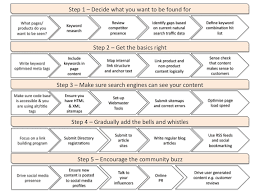
Key Elements of an Effective SEO Strategy:
- Keyword Research: Identify relevant keywords that your target audience is searching for. Use tools like Google Keyword Planner to discover high-volume, low-competition keywords.
- On-Page Optimization: Optimise your website’s content, meta tags, headings, and images with targeted keywords. Ensure that your site is user-friendly and mobile-responsive for better user experience.
- Quality Content: Create valuable, informative, and engaging content that resonates with your audience. Regularly update your website with fresh content to keep visitors engaged and improve search engine rankings.
- Link Building: Build high-quality backlinks from reputable websites to increase your site’s authority and credibility. Focus on natural link building strategies such as guest posting, influencer outreach, and content collaborations.
- Technical SEO: Improve the technical aspects of your website, including site speed, mobile-friendliness, URL structure, and XML sitemap. Fix any crawl errors and ensure proper indexing of your web pages.
- Analyse and Monitor: Track the performance of your SEO efforts using tools like Google Analytics and Google Search Console. Monitor key metrics such as organic traffic, keyword rankings, bounce rate, and conversion rate to measure success.
The Benefits of a Strong SEO Strategy:
An effective SEO strategy can have numerous benefits for your business:
- Increase Organic Traffic: Improve your website’s visibility in search results and attract more qualified leads organically.
- Enhance Brand Visibility: Boost brand awareness and credibility by appearing higher in search engine rankings for relevant keywords.
- Better User Experience: Provide users with a seamless browsing experience by optimising site speed, navigation, and content relevancy.
- Long-Term Results: Establish a strong online presence that generates sustainable traffic over time without relying solely on paid advertising.
- Rise Above Competition: Outrank competitors in search results by implementing a strategic SEO plan tailored to your business goals.
In conclusion, developing a comprehensive SEO strategy is essential for improving your website’s visibility, attracting quality traffic, and achieving long-term success in the digital landscape. By focusing on key elements such as keyword research, on-page optimization, quality content creation, link building, technical SEO improvements, and regular monitoring of performance metrics, you can enhance your online presence and stay ahead of the competition.
19 Frequently Asked Questions About SEO Strategy: Key Concepts and Approaches
- What is the 80 20 rule of SEO?
- What is an example of a SEO strategy?
- What are the 4 pillars of SEO?
- Is SEO a tactic or strategy?
- What are the 7 types of SEO?
- What are the steps for SEO strategy?
- What are 3 pillars of SEO?
- What are the 5 components of SEO?
- What are the three strategies of SEO?
- What are the 4 important stages in SEO?
- What are the 3 C’s of SEO?
- How do you write a SEO strategy?
- Where do I start my SEO strategy?
- Which are the best SEO strategies?
- What are the top 3 SEO strategies?
- What are the top three SEO strategies?
- What are the top 5 SEO strategies?
- How do I approach my SEO strategy?
- What are the SEO strategies?
What is the 80 20 rule of SEO?
The 80/20 rule of SEO, also known as the Pareto Principle, suggests that roughly 80% of your results come from 20% of your efforts in search engine optimization. This principle highlights the importance of focusing on the most impactful strategies that yield significant results. By identifying and prioritising the key areas that drive the most traffic and engagement, businesses can maximise their SEO efforts efficiently and effectively. Implementing this principle allows for a more strategic approach to SEO, where resources are allocated to activities with the highest potential for success, ultimately leading to improved visibility and performance in search engine rankings.
What is an example of a SEO strategy?
An example of an effective SEO strategy could involve conducting thorough keyword research to identify relevant search terms, optimising website content and meta tags with these keywords, building high-quality backlinks from reputable websites, creating engaging and informative content regularly, and monitoring performance metrics using tools like Google Analytics. By implementing a holistic approach that encompasses on-page optimization, off-page SEO tactics, and technical enhancements, businesses can improve their search engine rankings, attract more organic traffic, and enhance their online visibility to reach a wider audience effectively.
What are the 4 pillars of SEO?
When it comes to SEO strategy, understanding the four pillars of search engine optimization is crucial for achieving success. The four pillars of SEO encompass on-page optimization, off-page optimization, technical SEO, and content quality. On-page optimization involves optimizing individual web pages with relevant keywords, meta tags, and quality content to improve search engine rankings. Off-page optimization focuses on building high-quality backlinks from reputable websites to enhance domain authority and credibility. Technical SEO deals with the technical aspects of a website, such as site speed, mobile-friendliness, and proper indexing for better user experience and search engine visibility. Lastly, content quality plays a vital role in engaging users and satisfying search intent, ultimately driving organic traffic and improving overall SEO performance. Mastering these four pillars is essential for a comprehensive and effective SEO strategy.
Is SEO a tactic or strategy?
In the realm of digital marketing, the distinction between SEO as a tactic or strategy is a common point of discussion. While SEO can be viewed as a tactical approach to improving website visibility and search engine rankings through specific actions such as keyword optimization and link building, it is more accurately understood as a strategic endeavour. SEO encompasses a broader strategic framework that involves long-term planning, goal setting, and continuous refinement to align with business objectives and stay ahead in the competitive online landscape. By integrating SEO tactics within an overarching strategic plan, businesses can effectively leverage search engine algorithms to enhance their online presence and achieve sustainable growth.
What are the 7 types of SEO?
When it comes to SEO strategy, understanding the different types of SEO is crucial for optimising your website’s visibility and performance. The 7 types of SEO include on-page SEO, off-page SEO, technical SEO, local SEO, mobile SEO, e-commerce SEO, and voice search SEO. On-page SEO focuses on optimizing individual web pages with relevant keywords and quality content. Off-page SEO involves building backlinks from external sources to improve site authority. Technical SEO deals with the technical aspects of a website to enhance its crawlability and indexability. Local SEO targets local search queries to attract nearby customers. Mobile SEO optimizes websites for mobile devices for a seamless user experience. E-commerce SEO is tailored for online stores to boost product visibility and sales. Voice search SEO optimises content for voice-activated searches to cater to the rising trend of voice assistants like Siri and Alexa. Each type of SEO plays a unique role in improving a website’s search engine rankings and attracting organic traffic.
What are the steps for SEO strategy?
When it comes to developing an effective SEO strategy, there are several key steps that businesses should consider. Firstly, conducting thorough keyword research to identify relevant and high-traffic keywords is essential. Next, optimizing on-page elements such as meta tags, headings, and content with targeted keywords can help improve search engine visibility. Building high-quality backlinks from reputable websites and focusing on technical aspects like site speed and mobile-friendliness are also crucial components of a successful SEO strategy. Regularly monitoring and analysing performance metrics to track progress and make necessary adjustments is vital for ongoing success in the ever-evolving digital landscape. By following these steps diligently, businesses can enhance their online presence and attract valuable organic traffic effectively.
What are 3 pillars of SEO?
When it comes to understanding the core principles of SEO strategy, the concept of the “3 pillars of SEO” is often discussed. These pillars encompass three fundamental elements that are crucial for a successful search engine optimization strategy: on-page optimization, off-page optimization, and technical optimization. On-page optimization involves refining website content and structure to align with search engine algorithms and user intent. Off-page optimization focuses on building high-quality backlinks and establishing authority through external sources. Technical optimization deals with the technical aspects of a website, such as site speed, mobile-friendliness, and indexing issues. By incorporating these three pillars into an SEO strategy, businesses can improve their online visibility and attract organic traffic effectively.
What are the 5 components of SEO?
When it comes to SEO strategy, understanding the five key components is essential for achieving success in improving your website’s visibility and attracting organic traffic. These components include keyword research, on-page optimization, quality content creation, link building, and technical SEO enhancements. By focusing on these fundamental aspects of SEO, businesses can effectively target their audience, enhance user experience, build authority and credibility, and ensure their website is optimised for search engine algorithms. Each component plays a crucial role in a comprehensive SEO strategy that aims to drive sustainable organic traffic and improve search engine rankings.
What are the three strategies of SEO?
When it comes to SEO strategy, there are three key approaches that businesses commonly focus on to improve their online visibility and attract organic traffic. The first strategy involves on-page optimization, which includes refining website content, meta tags, and internal linking structure to align with targeted keywords and enhance user experience. The second strategy is off-page optimization, which primarily focuses on building high-quality backlinks from reputable websites to boost domain authority and credibility. Lastly, technical SEO plays a crucial role in ensuring that the website is technically sound, with factors such as site speed, mobile-friendliness, and proper indexing being optimised for better search engine rankings. By implementing these three fundamental strategies effectively, businesses can enhance their SEO efforts and achieve sustainable results in the competitive digital landscape.
What are the 4 important stages in SEO?
In the realm of Search Engine Optimization (SEO), there are four crucial stages that form the foundation of a successful strategy. The first stage involves thorough keyword research to identify relevant terms and phrases that align with the target audience’s search intent. Following this, on-page optimization comes into play, where website content, meta tags, and headings are strategically infused with selected keywords to enhance visibility in search results. The third stage focuses on building high-quality backlinks from authoritative sources to establish credibility and boost search engine rankings. Finally, continuous monitoring and analysis of performance metrics in the fourth stage ensure that the SEO strategy remains effective and adaptable to evolving trends and algorithms. Mastering these four key stages is essential for maximising organic traffic and achieving sustainable growth in the competitive digital landscape.
What are the 3 C’s of SEO?
The 3 C’s of SEO refer to Content, Code, and Connectivity. These core elements play a crucial role in shaping an effective SEO strategy. Content involves creating high-quality, relevant, and engaging content that resonates with your target audience and aligns with search engine algorithms. Code refers to the technical aspects of your website, including site structure, meta tags, and mobile responsiveness, which impact how search engines crawl and index your site. Connectivity focuses on building a strong network of backlinks from authoritative websites to enhance your site’s authority and credibility in the eyes of search engines. By prioritising the 3 C’s of SEO, businesses can improve their online visibility and attract organic traffic effectively.
How do you write a SEO strategy?
When it comes to crafting an effective SEO strategy, the key lies in thorough planning and strategic implementation. To begin, conduct comprehensive keyword research to identify relevant terms and phrases that your target audience is searching for. Next, focus on on-page optimization by incorporating these keywords into your website’s content, meta tags, and headings. Quality content creation is crucial – ensure your content is engaging, informative, and valuable to users. Building high-quality backlinks from authoritative websites can also boost your site’s credibility. Technical aspects such as site speed, mobile-friendliness, and proper indexing should not be overlooked. Regular monitoring and analysis of key metrics will help you refine and adapt your SEO strategy for optimal results. By following these steps and staying abreast of industry trends, you can write a comprehensive SEO strategy that enhances your online visibility and drives organic traffic to your website.
Where do I start my SEO strategy?
When considering where to begin your SEO strategy, it is crucial to start with thorough keyword research. Identifying relevant keywords that align with your business goals and target audience is the foundation of a successful SEO campaign. By understanding what users are searching for, you can tailor your content and optimization efforts to attract organic traffic effectively. Additionally, conducting a comprehensive website audit to assess on-page factors, technical issues, and current performance metrics can provide valuable insights into areas that require improvement. Establishing a strong foundation through keyword research and site analysis sets the stage for implementing a strategic SEO plan that drives visibility and engagement for your website.
Which are the best SEO strategies?
When considering the best SEO strategies, it is essential to focus on a holistic approach that encompasses various key elements. Effective SEO strategies often include thorough keyword research to target relevant search terms, on-page optimization to enhance content visibility, quality link building to improve site authority, technical SEO enhancements for better site performance, and regular monitoring and analysis of performance metrics. By combining these strategies and adapting them to the specific needs and goals of a website, businesses can achieve improved search engine rankings, increased organic traffic, and enhanced online visibility.
What are the top 3 SEO strategies?
When it comes to SEO strategies, identifying the top three can be subjective as different approaches may yield varying results based on specific goals and target audiences. However, three commonly acknowledged key SEO strategies include thorough keyword research to target relevant search terms, creating high-quality and engaging content that resonates with users and search engines, and building a strong backlink profile from authoritative websites to enhance site credibility and visibility in search engine results. Implementing these strategies effectively can significantly improve a website’s organic traffic and overall performance in search rankings.
What are the top three SEO strategies?
When it comes to SEO strategy, identifying the top three strategies can be crucial for achieving success in improving website visibility and driving organic traffic. The first key strategy is comprehensive keyword research to target relevant search terms that align with your business goals. Next, prioritising on-page optimization by fine-tuning meta tags, headings, and content with targeted keywords can significantly impact search engine rankings. Lastly, building high-quality backlinks from authoritative websites plays a vital role in enhancing website authority and credibility. By focusing on these top three SEO strategies, businesses can effectively boost their online presence and attract valuable organic traffic.
What are the top 5 SEO strategies?
When it comes to enhancing your website’s visibility and driving organic traffic, implementing effective SEO strategies is crucial. The top 5 SEO strategies that can significantly impact your online presence include thorough keyword research to target relevant search terms, on-page optimization to enhance content and meta tags with keywords, quality content creation to engage and inform your audience, strategic link building from reputable sources to boost site authority, and regular monitoring of performance metrics to track progress and make necessary adjustments. By incorporating these key strategies into your SEO plan, you can improve search engine rankings, attract more qualified traffic, and ultimately achieve your digital marketing goals.
How do I approach my SEO strategy?
When approaching your SEO strategy, it is crucial to begin with thorough research and analysis. Start by identifying your target audience and conducting comprehensive keyword research to understand what terms they are searching for. Develop a clear plan that includes on-page optimization, quality content creation, link building, and technical SEO improvements. Regularly monitor and analyse the performance of your strategy using tools like Google Analytics to make data-driven decisions and adjustments. Remember that SEO is an ongoing process that requires patience, consistency, and adaptability to stay ahead in the competitive digital landscape.
What are the SEO strategies?
When it comes to SEO strategies, there are several key approaches that businesses can implement to improve their online visibility and attract organic traffic. Some common SEO strategies include keyword research to identify relevant search terms, on-page optimization to enhance website content and meta tags, quality content creation to engage users and boost rankings, link building to establish authority through backlinks, technical SEO improvements for site performance, and regular monitoring of analytics data to track progress and make informed adjustments. By combining these strategies effectively, businesses can strengthen their online presence and achieve better results in search engine rankings.
Leave a Reply