
Search Engine Optimisation Services: A Guide for Businesses
Search engine optimisation (SEO) services help businesses improve how their websites appear in organic search results. By making a website more useful, accessible and relevant to potential customers, SEO can help attract visitors who are already looking for related products, services or information.
SEO is not a quick fix or a guaranteed route to the top of search results. It is an ongoing process that combines research, technical improvements and useful content. The right approach depends on a business’s goals, audience, website and competitive landscape.
What do SEO services include?
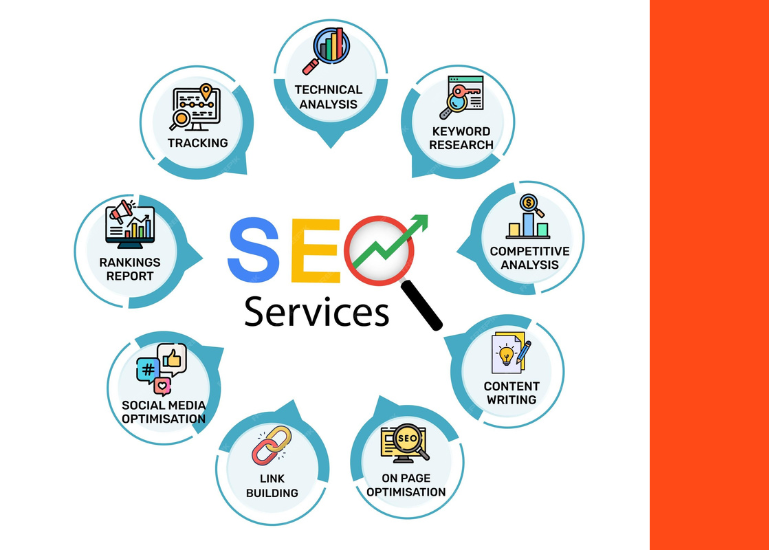
SEO services can cover several areas of a website’s performance and visibility. A provider may offer a complete strategy or focus on particular needs, such as local search or technical improvements.
- SEO audits: A review of a website’s content, structure, technical health and existing search performance. An audit can identify issues and opportunities to prioritise.
- Keyword and audience research: Research into the words and questions people use when looking for relevant products, services or advice. This helps shape pages around genuine search intent.
- On-page optimisation: Improvements to page titles, headings, copy, internal links and other elements, helping search engines and visitors understand each page.
- Technical SEO: Work on areas such as site speed, mobile usability, crawling, indexing, structured data and site architecture.
- Content strategy: Planning and creating useful, accurate content that answers audience questions and supports the business’s wider goals.
- Local SEO: Improving visibility for location-based searches, including the accuracy and consistency of business details across relevant online listings.
- Reporting and analysis: Tracking performance indicators such as organic traffic, search visibility, enquiries and sales, then using the findings to refine the strategy.
Why invest in SEO?
When a website appears for relevant searches, it can help potential customers discover the business at the moment they need information or are considering a purchase. SEO can also improve the experience for people who visit the site, for example by making pages easier to navigate and information easier to find.
Unlike paid advertising, organic search visibility does not depend on paying for every click. However, SEO still requires investment in expertise, content and ongoing improvements. Results often take time, and performance can change as search behaviour, competitors and search engine systems evolve.
How does an SEO campaign work?
A well-planned campaign usually begins by agreeing clear objectives. These might include increasing qualified enquiries, growing online sales, improving local visibility or strengthening the performance of particular sections of a website.
- Understand the business: The provider learns about the organisation, its audience, its services and what success means.
- Review the website: An audit identifies technical problems, content gaps and opportunities to improve existing pages.
- Set priorities: Recommendations are ranked according to potential value, effort and available resources.
- Make improvements: Work may include updating pages, resolving technical issues and publishing new content.
- Measure and refine: Performance is reviewed regularly, with the strategy adjusted in response to the results.
SEO is most effective when it is treated as a continuing part of marketing rather than a one-off task. A provider should explain what is being done, why it matters and how progress will be assessed.
Choosing an SEO services provider
Look for a provider that takes time to understand your business and can explain its recommendations in clear language. A useful proposal should set out the work involved, the expected timescales, how reporting will work and which measures will be used to assess progress.
Be cautious of promises of guaranteed rankings or unusually fast results. Search engines control their results, so no provider can reliably guarantee a specific position. It is also worth asking how the provider approaches content, links and technical changes, and whether its methods follow search engine guidelines.
How to measure SEO performance
Rankings can be useful to monitor, but they are only one part of the picture. A meaningful report may include organic visits, the search queries bringing people to the site, engagement with key pages, enquiries, bookings or sales. The most relevant measures depend on the business’s objectives.
It is important to consider performance over an appropriate period. Search visibility may take time to respond to changes, and seasonal patterns or wider market conditions can affect results. Regular, transparent reporting helps businesses understand what is working and where further attention is needed.
Making SEO part of your wider marketing
SEO can work alongside other marketing activities, including paid search, social media, email and public relations. Insights from customer questions and search behaviour can inform content across these channels, while strong landing pages can support both organic and paid campaigns.
Ultimately, effective search engine optimisation is about helping the right people find and use your website. With clear objectives, a considered strategy and consistent work, SEO services can support a stronger online presence and contribute to sustainable business growth.
Maximise Your Online Impact: The Top 5 Benefits of SEO Services
- Improve organic search visibility
- Attract relevant website visitors
- Build long-term online presence
- Enhance website usability
- Measure progress with clear data
Six Challenges of Search Engine Optimisation Services: What You Need to Know
- Results can take months to appear.
- Rankings can fluctuate unexpectedly.
- Quality services can be costly.
- No provider can guarantee top rankings.
- Ongoing work is often required.
- Poor tactics can harm your website.
Improve organic search visibility
Search engine optimisation services can improve your website’s visibility in organic search results, helping more potential customers find your business when they look for relevant products, services or information. By refining your site’s content, structure and technical performance, SEO can help search engines understand your pages and show them to the right audiences.
Attract relevant website visitors
Search engine optimisation services help attract relevant website visitors by improving a site’s visibility for searches related to its products, services or expertise. By targeting the topics and phrases potential customers use, businesses can reach people who are more likely to find their content useful and take the next step, whether that means making an enquiry, booking a service or completing a purchase.
Build long-term online presence
Search engine optimisation services can help build a long-term online presence by improving your website’s visibility for relevant searches over time. Through consistent technical improvements, useful content and a clear site structure, your business can become easier for potential customers to find and trust. Unlike short-lived campaigns, SEO can continue to attract organic visitors after individual updates are complete, although maintaining strong results requires ongoing attention as your audience and the search landscape evolve.
Enhance website usability
SEO services can enhance website usability by making a site easier to navigate, quicker to load and more accessible across mobile devices. Clear page structures, helpful content and well-organised links help visitors find the information they need, while technical improvements can create a smoother browsing experience. These changes benefit users as well as supporting search visibility.
Measure progress with clear data
SEO services make it easier to measure progress using clear, relevant data. By tracking indicators such as organic traffic, search visibility, enquiries and sales, businesses can see which activities are working and where improvements may be needed. Regular reporting also helps turn performance insights into informed decisions, keeping the strategy focused on meaningful business goals.
Results can take months to appear.
One drawback of search engine optimisation services is that results can take months to appear. Improvements to a website may take time to be discovered and reflected in search rankings, while competing businesses and changing search behaviour can also affect progress. This means SEO is a long-term investment rather than a quick way to generate traffic, so businesses should set realistic expectations and consider other marketing channels if they need faster results.
Rankings can fluctuate unexpectedly.
One drawback of search engine optimisation services is that rankings can fluctuate unexpectedly. Search engines regularly update their algorithms, while competitors’ activity and changes in search behaviour can also affect where a website appears. As a result, even well-optimised pages may move up or down in search results, making performance less predictable and highlighting the need for ongoing monitoring and adjustments.
Quality services can be costly.
Quality search engine optimisation services can be costly, particularly when they involve in-depth research, technical improvements and the creation of original, useful content. For smaller businesses, the ongoing fees may be difficult to budget for, and results can take time to appear. It is therefore important to compare providers carefully, understand what is included and choose a service that fits your goals and budget.
No provider can guarantee top rankings.
A key drawback of search engine optimisation services is that no provider can guarantee top rankings. Search results are controlled by search engines and can change as their systems, competitors and user behaviour evolve. A reputable SEO provider can improve a website’s technical health, content and visibility, but should not promise a specific position or instant results. Be cautious of guarantees, and instead look for a clear strategy, realistic timescales and transparent reporting on progress.
Ongoing work is often required.
SEO is rarely a one-off task: websites need regular attention to maintain and improve their visibility in search results. Search algorithms, competitors and customer behaviour can change, so content may need updating, technical issues resolving and performance reviewing over time. This ongoing work can require a continuing investment of time and money, which businesses should factor into their plans.
Poor tactics can harm your website.
Poor SEO tactics can do more harm than good. Practices such as keyword stuffing, buying low-quality links or publishing thin, repetitive content may undermine your website’s credibility and visibility, and could lead to search engine penalties. Choose a provider that explains its methods clearly, follows search engine guidelines and focuses on useful content and sustainable improvements.
Leave a Reply