
What Does an Online Marketing Strategist Do?
An online marketing strategist helps businesses plan and improve how they reach customers through digital channels. Rather than focusing on a single campaign or platform, they look at the bigger picture: the business’s goals, its audience and the best ways to connect the two online.
For organisations looking to build brand awareness, attract more visitors or generate enquiries and sales, a well-considered digital strategy can provide direction and help make marketing activity more effective.
What Is an Online Marketing Strategist?
An online marketing strategist is a professional who develops plans for promoting a business, product or service across digital channels. These may include search engines, websites, email, social media and online advertising.
The role combines research, planning and analysis. A strategist considers what a business wants to achieve, who it needs to reach and how its marketing resources can be used. They may also work with specialists such as copywriters, designers, search engine optimisation (SEO) consultants and paid media managers to put the strategy into practice.
Key Responsibilities
The exact responsibilities vary between businesses, but an online marketing strategist may:
- Set marketing objectives: Connect digital activity to wider business goals, such as increasing sales, building awareness or generating qualified leads.
- Research audiences and markets: Identify customer needs, online behaviours, competitors and opportunities.
- Choose suitable channels: Recommend a practical mix of SEO, content marketing, social media, email and paid advertising.
- Plan content and campaigns: Develop themes, messages, schedules and campaign plans for reaching the intended audience.
- Improve the customer journey: Review how people move from discovering a business to taking an action, such as making an enquiry or completing a purchase.
- Measure performance: Use relevant data to assess results, identify issues and recommend improvements.
- Coordinate teams and suppliers: Help ensure that marketing activity is consistent across channels and delivered to a clear plan.
Why Hire an Online Marketing Strategist?
Digital marketing can involve many channels, tools and competing priorities. Without a clear plan, businesses may spend time and budget on activity that does not support their objectives. A strategist can help bring that activity together and set priorities.
They can also offer an outside perspective. By reviewing existing marketing and performance data, a strategist may identify gaps, untapped audiences or opportunities to improve a website, campaign or message. Their recommendations can help a business make more informed decisions about where to focus its resources.
For smaller organisations, a strategist may provide guidance without the need to build a large in-house marketing team. Larger organisations may use one to coordinate complex campaigns or align different departments and agencies.
How an Online Marketing Strategy Is Developed
A useful strategy is based on evidence and shaped around the needs of the business. The process commonly includes the following steps:
- Understand the business: Clarify its products or services, commercial objectives, strengths and challenges.
- Define the audience: Learn about the people the business wants to reach, including their needs, concerns and decision-making habits.
- Review current activity: Assess the website, existing campaigns, channels and available performance data.
- Set priorities: Choose objectives and the measures that will indicate progress.
- Select channels and tactics: Match the audience and objectives to suitable marketing activity.
- Plan delivery: Set out responsibilities, timings, resources and budgets.
- Review and refine: Monitor results and adjust the plan as circumstances and performance change.
Skills to Look For
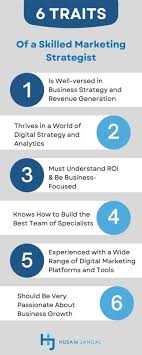
A strong online marketing strategist needs more than knowledge of digital platforms. Useful skills include analytical thinking, clear communication, project planning and the ability to connect marketing activity with business outcomes. They should be comfortable working with data while recognising that numbers need context.
It is also important that a strategist can explain their recommendations in plain language. Businesses should understand what is being proposed, why it matters and how progress will be assessed.
Choosing the Right Strategist
When selecting an online marketing strategist, consider their experience with businesses of a similar size or type, their approach to research and measurement, and how they collaborate with your team. Ask how they define success, what information they will need and how often they will report on progress.
Be cautious of guarantees that promise specific rankings, sales or results. Digital performance can be influenced by many factors, and a responsible strategist should be clear about assumptions, limitations and the time required to assess an approach.
Conclusion
An online marketing strategist helps turn business objectives into a focused plan for reaching and engaging customers online. By combining audience insight, channel planning and performance analysis, they can help businesses use digital marketing more purposefully. The most effective strategy is not simply a list of tactics; it is a practical plan that can be measured, reviewed and adapted over time.
Frequently Asked Questions About Becoming and Succeeding as an Online Marketing Strategist
- How do you become a digital marketing strategist?
- What is online marketing strategist?
- What does a marketing strategist do?
- What does an online marketing specialist do?
- What is the 3-3-3 rule in marketing?
- What are the 7 C’s of online marketing?
- How much does a digital marketing strategist?
- What does a digital marketing strategist do?
How do you become a digital marketing strategist?
To become a digital marketing strategist, build a solid understanding of core channels such as SEO, content marketing, social media, email and paid advertising. You can develop these skills through relevant courses, practical projects or entry-level marketing roles, then gain experience planning campaigns and interpreting performance data. Strengthen your knowledge of analytics, audience research and business objectives, and keep up to date with changes in digital platforms. A portfolio showing how your recommendations helped achieve measurable results can also help demonstrate your strategic ability to employers or clients.
What is online marketing strategist?
An online marketing strategist is a professional who plans how a business can use digital channels to reach its goals. They research the target audience, assess the business’s current online presence and recommend suitable approaches across channels such as search engines, social media, email, content and online advertising. They also help set clear objectives and measure results, so marketing activity can be refined over time.
What does a marketing strategist do?
A marketing strategist researches your audience, market and competitors, then develops a plan to help your business meet its marketing goals. This may include choosing the right channels, shaping key messages, planning campaigns and setting measures of success. They also review performance and recommend adjustments, helping ensure your marketing activity is focused, consistent and aligned with your wider business objectives.
What does an online marketing specialist do?
An online marketing specialist plans and manages digital campaigns to help a business reach its goals, such as increasing brand awareness, attracting website visitors or generating sales. Their work may include search engine optimisation (SEO), content marketing, social media, email campaigns and paid online advertising. They also monitor performance data, report on results and refine campaigns to improve their effectiveness.
What is the 3-3-3 rule in marketing?
The 3-3-3 rule in marketing has no single, universally agreed definition, so its meaning can vary between businesses and platforms. It is often used as a simple content-planning principle: capture attention in the first three seconds, communicate around three clear ideas, and give the audience a straightforward next step. The aim is to make marketing messages quick to understand and easy to act on; when using the rule, it is worth clarifying which interpretation applies and adapting it to the audience and channel.
What are the 7 C’s of online marketing?
The 7 C’s of online marketing are commonly described as customer, content, context, community, convenience, cohesion and conversion. Together, they encourage businesses to understand their customers, create useful content, present it in the right setting, build relationships with an online community, make interactions easy, keep messaging consistent across channels and guide visitors towards a meaningful action. Some versions use slightly different terms, but the central idea is to create a joined-up online experience that serves both the audience and the business.
How much does a digital marketing strategist?
How much does a digital marketing strategist cost?
The cost of hiring a digital marketing strategist varies depending on their experience, location and the scope of work. Some charge an hourly or day rate, while others offer a fixed project fee or monthly retainer. A focused strategy review will generally cost less than ongoing support covering research, campaign planning and performance analysis. Ask for a clear proposal outlining the deliverables, timescale and fees so you can compare options and choose an approach that fits your budget.
What does a digital marketing strategist do?
A digital marketing strategist plans how a business can use online channels to achieve its goals. They research the target audience and competitors, recommend suitable channels such as search engines, social media, email and paid advertising, and develop campaigns to reach potential customers. They also set performance measures, analyse results and refine the strategy over time, often working with specialists to put the plan into action.
Leave a Reply