
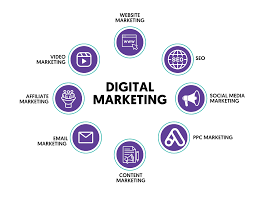
Digital Marketing Concepts: A Guide to the Essentials
Digital marketing is the promotion of products, services and ideas through online channels. It includes everything from search engines and social media to email, websites and digital advertising. Understanding its core concepts helps businesses make better decisions, reach the right people and assess whether their marketing is working.
Know your audience
Effective marketing starts with understanding who you want to reach. Audience research can reveal people’s needs, interests, priorities and online habits. Businesses often use this information to create audience segments or customer profiles, helping them tailor messages to different groups rather than relying on a one-size-fits-all approach.
Good audience research is based on evidence, such as customer feedback, website data and market research. It should also be reviewed regularly, as customers and their preferences can change.
Define your value proposition
A value proposition explains why a customer should choose a particular product or service. It should make clear what is offered, who it is for and what makes it useful or distinctive. A clear value proposition gives digital marketing activity a consistent focus, from website copy to advertisements and social posts.
Understand the customer journey
The customer journey describes the stages someone may go through before and after making a purchase. A simple model includes:
- Awareness: The person discovers a brand or recognises a need.
- Consideration: They research options and compare possible solutions.
- Decision: They choose whether to buy, sign up or take another action.
- Loyalty: The business works to maintain the relationship and encourage repeat custom.
People do not always move through these stages in a straight line. Useful marketing provides relevant information at each point, making it easier for customers to take their next step.
Owned, earned and paid media
Digital channels are often grouped into three categories:
- Owned media includes channels a business controls, such as its website, blog and email list.
- Earned media is attention gained through other people, such as press coverage, reviews, recommendations or organic social sharing.
- Paid media includes advertising placements a business pays for, such as search ads, sponsored social posts and display advertising.
A balanced strategy may use all three. For example, an article on a company website is owned media; a customer sharing it is earned media; and a paid campaign promoting it is paid media.
Search engine optimisation
Search engine optimisation (SEO) is the practice of improving a website’s visibility in unpaid search results. It involves creating helpful content, using clear page structures, making websites accessible and ensuring pages can be found and understood by search engines.
SEO is a long-term activity rather than a quick fix. Strong results depend on serving the needs of visitors, not simply repeating keywords. Technical performance, useful information and a good user experience all matter.
Content marketing
Content marketing involves creating and sharing useful material to attract and engage an audience. Content could include articles, guides, videos, podcasts, case studies or newsletters. Its purpose is not always to make an immediate sale; it can also answer questions, build trust and help people understand their options.
Successful content is relevant to the audience and supports a clear business objective. Planning topics in advance can help ensure that content is consistent and connected to the wider marketing strategy.
Social media and email marketing
Social media gives businesses ways to share content, build communities and communicate with customers. Each platform has its own audience and style, so businesses should choose channels based on where their customers are and what they want to achieve.
Email marketing allows businesses to send messages directly to people who have chosen to hear from them. Newsletters, service updates and promotional emails can support customer relationships, provided messages are relevant, appropriately timed and compliant with privacy and marketing rules.
Paid digital advertising
Paid advertising can help businesses reach an audience more quickly than organic activity alone. Common approaches include search advertising, social media advertising and display campaigns. Advertisers can often select audiences, set budgets and adjust campaigns as results come in.
Campaigns work best when the advertisement, landing page and offer fit together. A click is only useful if the visitor can easily find the information or action promised in the advert.
Conversion and user experience
A conversion is a meaningful action taken by a visitor. It might be a purchase, an enquiry, a booking or a newsletter sign-up. Conversion rate optimisation focuses on making it easier for visitors to complete these actions.
Clear navigation, fast-loading pages, accessible design and straightforward forms can all improve the experience. Testing changes with real user data can help businesses understand what works, rather than relying on guesswork.
Measurement, analytics and attribution
Digital marketing can produce a large amount of data, but useful measurement begins with clear objectives. Businesses should choose key performance indicators (KPIs) that reflect their goals, such as qualified enquiries, sales, repeat purchases or the cost of acquiring a customer.
Attribution is the process of understanding how different marketing interactions contribute to a result. A customer might see a social post, visit through a search engine and later respond to an email before making a purchase. No single measurement model tells the whole story, so results should be interpreted alongside customer research and business context.
Privacy and responsible marketing
Trust is central to digital marketing. Businesses should be transparent about how they collect and use personal information, respect people’s choices and follow applicable data protection and marketing regulations. Responsible practices protect customers and help build lasting relationships.
Bringing the concepts together
Digital marketing is most effective when its parts work together. Audience research informs the message; the message shapes the content; channels distribute it; and measurement helps show what to improve. By starting with clear goals and a genuine understanding of customers, businesses can build a digital marketing strategy that is useful, consistent and adaptable.
Eight Advantages of Digital Marketing: Reaching Audiences and Building Brand Awareness
- Helps businesses reach the right audiences.
- Builds brand awareness online.
- Supports measurable marketing goals.
- Enables targeted, relevant campaigns.
- Improves customer engagement.
- Offers flexible budget options.
- Provides insights through analytics.
- Adapts quickly to changing customer needs.
Challenges in Digital Marketing: Navigating Competition, Delayed Results, and Evolving Regulations
- Digital marketing can be highly competitive.
- Results may take time to appear.
- Privacy rules and algorithms can change.
Helps businesses reach the right audiences.
Digital marketing helps businesses reach the right audiences by using factors such as interests, location, online behaviour and demographics to tailor messages to people most likely to value their products or services. This makes campaigns more relevant, helps reduce wasted advertising spend and gives businesses a better chance of building meaningful relationships with potential customers.
Builds brand awareness online.
Digital marketing concepts help businesses build brand awareness online by making it easier to reach potential customers across search engines, social media, websites and email. Consistent messaging and useful content can help a brand become more recognisable, while targeted campaigns introduce it to audiences likely to be interested in its products or services. Over time, this regular and relevant presence can strengthen familiarity and trust.
Supports measurable marketing goals.
Digital marketing concepts support measurable marketing goals by helping businesses set clear objectives and track progress using data. Metrics such as website visits, enquiries, conversion rates and return on advertising spend can show which activities are performing well and where improvements are needed. This makes it easier to refine campaigns, focus budgets on effective channels and assess results against business goals.
Enables targeted, relevant campaigns.
Digital marketing enables businesses to create targeted, relevant campaigns by using insights such as customers’ interests, location and previous interactions. This helps deliver messages to people who are more likely to find them useful, rather than taking a broad, one-size-fits-all approach. As a result, campaigns can feel more personal, make better use of marketing budgets and encourage stronger engagement.
Improves customer engagement.
Digital marketing concepts can improve customer engagement by helping businesses communicate with people through channels they already use, such as social media, email and websites. Relevant content, personalised messages and timely responses encourage customers to interact, ask questions and share feedback. By listening to those responses and adapting their approach, businesses can build stronger relationships and create more meaningful experiences.
Offers flexible budget options.
Digital marketing offers flexible budget options, making it accessible to businesses of different sizes. You can start with a modest spend, choose the channels that best suit your goals and adjust your investment as results come in. From carefully targeted social media campaigns to pay-per-click advertising, budgets can be scaled up or down, helping you manage costs while focusing on the activities that deliver the most value.
Provides insights through analytics.
Digital marketing provides valuable insights through analytics, helping businesses understand how people find and interact with their content. By tracking measures such as website visits, engagement, enquiries and sales, organisations can see which campaigns are working and where improvements may be needed. These insights support better-informed decisions, more effective use of marketing budgets and strategies that respond to customers’ needs.
Adapts quickly to changing customer needs.
Digital marketing concepts help businesses adapt quickly to changing customer needs by making it easier to track feedback, monitor online behaviour and spot shifts in demand. With these insights, businesses can update their messages, content and campaigns in a timely way, ensuring their marketing stays relevant and useful.
Digital marketing can be highly competitive.
Digital marketing can be highly competitive, as businesses are often vying for the same audiences across search engines, social media and online advertising platforms. This can make it harder for smaller brands to stand out and may drive up advertising costs, particularly in popular sectors. Businesses need to invest time in understanding their audience, creating distinctive and useful content, and refining their approach to remain visible without relying solely on paid promotion.
Results may take time to appear.
One disadvantage of digital marketing is that results may take time to appear. Strategies such as search engine optimisation, content marketing and building an engaged social media following often need consistent effort before they generate noticeable traffic, leads or sales. This can be challenging for businesses seeking quick returns, so it is important to set realistic expectations, track progress and allow time to refine the approach.
Privacy rules and algorithms can change.
One challenge of digital marketing is that privacy rules and platform algorithms can change, sometimes with little notice. New requirements may affect how businesses collect data, target audiences or measure campaign results, while changes to search and social media algorithms can reduce the reach of existing content. Businesses need to keep up to date, review their practices regularly and avoid relying too heavily on a single platform or marketing tactic.
Leave a Reply