
The Power of Digital Marketing and Social Media Marketing
In today’s digital age, the landscape of marketing has undergone a significant transformation. Digital marketing and social media marketing have emerged as powerful tools for businesses to connect with their target audience, build brand awareness, and drive engagement like never before.
Digital Marketing
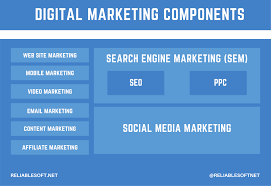
Digital marketing encompasses a wide range of online tactics aimed at reaching potential customers through various digital channels. From search engine optimisation (SEO) and pay-per-click (PPC) advertising to email marketing and content creation, digital marketing offers businesses unparalleled opportunities to reach their target audience with precision and efficiency.
One of the key advantages of digital marketing is its ability to provide measurable results in real-time. Businesses can track the performance of their campaigns, analyse data, and make informed decisions to optimise their strategies for better outcomes. This data-driven approach allows businesses to adapt quickly to changing market dynamics and stay ahead of the competition.
Social Media Marketing
Social media marketing leverages popular social platforms such as Facebook, Instagram, Twitter, LinkedIn, and more to engage with audiences on a personal level. By creating compelling content that resonates with users’ interests and behaviours, businesses can foster meaningful relationships with their followers and drive brand loyalty.
Social media marketing also enables businesses to target specific demographics based on factors such as age, location, interests, and online behaviour. This targeted approach ensures that messages reach the right audience at the right time, leading to higher conversion rates and increased ROI.
The Synergy Between Digital Marketing and Social Media Marketing
When combined effectively, digital marketing and social media marketing can amplify the reach and impact of a business’s online presence. By integrating strategies across different channels, businesses can create cohesive campaigns that resonate with audiences across various touchpoints.
Furthermore, social media platforms play a crucial role in enhancing brand visibility and driving traffic to websites or online stores. By leveraging social sharing features and interactive content formats, businesses can expand their reach organically through user-generated content and viral campaigns.
Conclusion
As consumers increasingly turn to digital channels for information, entertainment, and shopping experiences, the importance of digital marketing and social media marketing cannot be overstated. Businesses that embrace these powerful tools stand to gain a competitive edge in today’s fast-paced digital economy.
By harnessing the power of data-driven insights, engaging content strategies, and targeted advertising techniques, businesses can unlock new opportunities for growth and success in the ever-evolving landscape of digital marketing.
Essential FAQs on Digital and Social Media Marketing: Strategies, Benefits, and Future Trends
- What is digital marketing and how does it differ from traditional marketing?
- How can businesses benefit from implementing a digital marketing strategy?
- What are the key components of a successful digital marketing campaign?
- How important is social media marketing for businesses in today’s digital landscape?
- What are the best practices for engaging with audiences on social media platforms?
- How can businesses measure the effectiveness of their digital marketing efforts?
- What role does content play in a successful social media marketing strategy?
- How can businesses leverage influencer marketing to enhance their brand presence on social media?
- What trends are shaping the future of digital marketing and social media marketing?
What is digital marketing and how does it differ from traditional marketing?
Digital marketing refers to the use of digital channels and technologies to promote products or services to a target audience. Unlike traditional marketing, which relies on offline methods such as print ads, TV commercials, and direct mail, digital marketing leverages online platforms like websites, social media, email, and search engines to reach consumers in a more targeted and measurable way. One key difference is the ability of digital marketing to track and analyse campaign performance in real-time, allowing businesses to adjust strategies quickly based on data insights. Additionally, digital marketing offers greater flexibility and cost-effectiveness compared to traditional marketing methods, making it a preferred choice for businesses looking to engage with their audience in today’s increasingly digital world.
How can businesses benefit from implementing a digital marketing strategy?
Implementing a digital marketing strategy offers businesses a multitude of benefits in today’s competitive landscape. By leveraging digital channels such as search engines, social media platforms, email campaigns, and websites, businesses can reach a wider audience, increase brand visibility, drive targeted traffic, and ultimately boost conversions. A well-crafted digital marketing strategy allows businesses to engage with their target market in a more personalised and interactive manner, leading to enhanced customer relationships and loyalty. Moreover, the ability to track and analyse campaign performance in real-time enables businesses to make data-driven decisions that optimise their marketing efforts for maximum impact and return on investment.
What are the key components of a successful digital marketing campaign?
When considering the key components of a successful digital marketing campaign, several crucial factors come into play. Firstly, a well-defined target audience is essential to tailor content and strategies effectively. Engaging and relevant content that resonates with the audience is paramount for capturing attention and driving engagement. Utilising various digital channels such as SEO, social media, email marketing, and PPC advertising in a cohesive and integrated manner can maximise reach and impact. Data analysis and continuous monitoring of campaign performance allow for adjustments to be made in real-time to optimise results. Ultimately, a successful digital marketing campaign hinges on a combination of strategic planning, compelling content, multi-channel integration, data-driven insights, and adaptability in response to market trends and consumer behaviour.
How important is social media marketing for businesses in today’s digital landscape?
In today’s digital landscape, social media marketing plays a pivotal role in the success of businesses. With the vast majority of consumers actively engaging on social platforms, businesses have a unique opportunity to connect with their target audience on a personal level, build brand awareness, and drive meaningful engagement. Social media marketing allows businesses to humanise their brand, foster trust and loyalty among followers, and create a community around their products or services. By leveraging the power of social media, businesses can enhance their online presence, reach new customers, and stay relevant in an increasingly competitive market.
What are the best practices for engaging with audiences on social media platforms?
When it comes to engaging with audiences on social media platforms, several best practices can help businesses foster meaningful connections and drive interaction. Firstly, it is essential to understand your target audience’s preferences, interests, and behaviours to tailor your content accordingly. Consistent and authentic communication is key to building trust and loyalty among followers. Utilising multimedia content such as videos, images, and infographics can enhance engagement levels. Responding promptly to comments, messages, and feedback shows that you value your audience’s input and are committed to fostering two-way communication. Lastly, monitoring analytics data to track performance metrics and gather insights can help refine strategies for more effective audience engagement over time.
How can businesses measure the effectiveness of their digital marketing efforts?
Businesses can measure the effectiveness of their digital marketing efforts through a variety of key performance indicators (KPIs) that align with their specific goals and objectives. Metrics such as website traffic, conversion rates, click-through rates, engagement levels on social media platforms, return on investment (ROI), and customer acquisition costs are commonly used to evaluate the success of digital marketing campaigns. By tracking and analysing these metrics regularly, businesses can gain valuable insights into the impact of their strategies, identify areas for improvement, and make data-driven decisions to optimise their digital marketing efforts for greater success in reaching and engaging with their target audience.
What role does content play in a successful social media marketing strategy?
In the realm of digital marketing and social media marketing, content plays a pivotal role in shaping the success of a marketing strategy. Compelling and relevant content is the driving force behind engaging with audiences, building brand credibility, and fostering meaningful connections. A well-crafted content strategy can attract and retain followers, spark conversations, and ultimately drive conversions. By delivering valuable and shareable content tailored to the preferences of target audiences, businesses can establish themselves as industry authorities and differentiate themselves in a crowded online landscape. In essence, content acts as the bridge that connects brands with their audience on social media platforms, forming the cornerstone of a successful social media marketing strategy.
How can businesses leverage influencer marketing to enhance their brand presence on social media?
In the realm of digital marketing and social media marketing, businesses can strategically leverage influencer marketing to elevate their brand presence on various social media platforms. By collaborating with influencers who have a significant following and influence within their niche, businesses can tap into a ready-made audience that trusts and engages with the influencer’s content. Through authentic partnerships and sponsored posts, businesses can reach a wider demographic, increase brand awareness, and foster credibility among consumers. The key lies in selecting influencers whose values align with the brand’s identity and crafting compelling campaigns that resonate with both the influencer’s audience and the business’s target market. This symbiotic relationship can yield tangible results in terms of engagement, brand loyalty, and ultimately, business growth in the digital landscape.
What trends are shaping the future of digital marketing and social media marketing?
The future of digital marketing and social media marketing is being shaped by several key trends that are revolutionising the industry. From the rise of artificial intelligence (AI) and machine learning for personalised customer experiences to the increasing importance of video content and live streaming for engaging audiences, businesses are adapting to new technologies and consumer preferences. Additionally, the growing emphasis on social commerce, influencer marketing, and user-generated content is transforming how brands connect with their target audience in more authentic and meaningful ways. As digital platforms continue to evolve, staying ahead of these trends will be crucial for businesses looking to succeed in the dynamic landscape of digital marketing and social media marketing.
Leave a Reply