
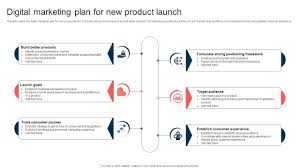
How to Build a Digital Marketing Strategy for a Product Launch
A successful product launch needs more than a polished announcement. It requires a clear understanding of the audience, a compelling reason to buy and a coordinated plan for reaching people before, during and after launch day. A well-designed digital marketing strategy helps build awareness, turn interest into sales and gather insight for future growth.
Set clear launch objectives
Begin by deciding what the launch needs to achieve. Objectives might include generating pre-orders, attracting a set number of qualified leads, reaching a new audience or achieving a particular level of sales within the first month.
Make each objective specific and measurable. For example, “increase awareness” is difficult to assess, while “drive 5,000 visits to the product page in the first four weeks” gives the team a clear target. Choose a small set of priorities so that activity and budget can be focused effectively.
Understand your audience
Define who the product is for and what problem it solves for them. Consider customers’ needs, motivations, concerns and buying habits. Existing customer data, interviews, surveys, website analytics and social media conversations can all help shape this picture.
Useful questions include:
- What challenge does the product help solve?
- What alternatives might customers consider?
- What could make them hesitate to buy?
- Which websites, social platforms or publications do they use?
- What information do they need before making a decision?
Use these insights to create practical audience profiles. These should guide decisions about messaging and channels, rather than become a substitute for ongoing research.
Define the product’s positioning and message
Customers should be able to understand quickly what the product is, who it is for and why it is worth considering. Create a concise value proposition that explains its main benefit in language your audience would use.
Support that central message with a few clear proof points. These might include product features, demonstrations, expert reviews, customer feedback or details about how the product is made. Be accurate and avoid claims that cannot be substantiated.
Keep the message consistent across the product page, advertising, email campaigns and social content. The format can change to suit each channel, but the core promise should remain recognisable.
Prepare the digital foundations
Before promoting the launch, make sure the destination is ready to convert interest into action. The product page should explain the benefits, show the product clearly and answer common questions about price, availability, delivery, returns or compatibility.
Check that the page works well on mobile devices, loads promptly and has a clear call to action. Test the purchase or enquiry journey from start to finish, including confirmation emails and tracking. If the product is not available for immediate purchase, offer a useful next step, such as joining a mailing list or requesting a demonstration.
Set up analytics and campaign tracking in advance. Use consistent naming conventions and tagged links so you can identify which channels and messages are contributing to results. Ensure that data collection and marketing activity follow applicable privacy and consent requirements.
Build interest before launch
The pre-launch period gives potential customers time to discover the product and understand why it matters. Choose activities that suit the audience and the buying journey, rather than trying to use every available channel.
- Email marketing: Share useful updates with opted-in subscribers and segment messages where appropriate.
- Social media: Publish teasers, behind-the-scenes content, demonstrations and answers to common questions.
- Content marketing: Create guides, videos or articles that address the problem the product solves.
- Public relations: Offer relevant journalists and publications clear information, images and access to the product where appropriate.
- Influencer partnerships: Work with creators whose audience and values align with the product, with clear disclosure of paid or gifted collaborations.
- Paid advertising: Test audience groups and creative concepts on suitable search, social or display platforms.
Pre-launch activity should provide genuine value, not just repeat “coming soon”. Demonstrations, helpful advice and candid answers can build confidence and help reveal which messages resonate.
Coordinate launch-day activity
Launch day is a moment to bring planned activity together. Coordinate the product page, email campaign, social posts, advertising and any press or partner activity so that information is accurate and consistent.
Make sure the team knows who is responsible for publishing content, responding to enquiries and resolving technical issues. Monitor the website and campaign performance closely, and be prepared to correct broken links, clarify confusing information or adjust advertising if it is not performing as expected.
Urgency can encourage action when it is genuine, such as a clearly stated limited release or introductory offer. Avoid artificial scarcity or misleading countdowns, which can damage trust.
Keep communicating after launch
A launch is the beginning of a customer relationship, not the end of a campaign. Follow up with people who have shown interest, while respecting their preferences and consent. Share product tips, answers to frequently asked questions and relevant customer stories.
Invite feedback from early buyers and monitor reviews, support requests and social conversations. These can highlight issues that need attention and reveal benefits that should be explained more clearly in future marketing.
Measure and improve
Evaluate performance against the objectives set at the start. Depending on the product and business model, useful measures may include:
- Reach, impressions and engagement
- Visits to the product page and time spent on key content
- Email sign-ups, enquiries or demonstration requests
- Conversion rate and sales value
- Cost per lead or acquisition
- Returns, cancellations and customer feedback
Look beyond surface-level metrics. A large number of clicks may not be valuable if visitors do not take the next step. Compare performance across channels, audiences and creative approaches, then use the findings to refine the campaign.
Conclusion
An effective digital marketing strategy for a product launch brings together audience insight, a clear value proposition, a reliable online experience and coordinated promotion. By planning the full journey—from early awareness to post-purchase support—and measuring what happens at each stage, businesses can make informed decisions and give a new product the strongest possible start.
9 Essential Tips for Crafting an Effective Digital Marketing Strategy for Your Product Launch
- Define your target audience and their key needs.
- Set clear launch goals and measurable KPIs.
- Craft a distinctive value proposition and consistent messaging.
- Build a launch landing page with a clear call to action.
- Create useful content that showcases the product’s benefits.
- Use relevant social channels to reach your audience.
- Partner with trusted creators or industry voices.
- Test and optimise ads, emails and landing pages.
- Track results and refine your strategy after launch.
Define your target audience and their key needs.
Define your target audience before planning your product launch so you can focus your marketing on the people most likely to benefit from what you offer. Consider their needs, priorities, challenges and buying habits, as well as the questions or concerns that might hold them back. Use customer research, surveys, interviews and existing data to build a clear picture, then tailor your messaging and choose channels that help you reach them with relevant information.
Set clear launch goals and measurable KPIs.
Set clear launch goals before choosing your channels or creating campaign content. Decide what success should look like—whether that is generating pre-orders, building awareness, attracting qualified leads or reaching a sales target—and turn each goal into a measurable key performance indicator (KPI). For example, track product-page visits, email sign-ups, conversion rates, cost per acquisition or revenue during a defined period. Specific KPIs help keep the team focused, make it easier to assess which activities are working and allow you to adjust the strategy as the launch progresses.
Craft a distinctive value proposition and consistent messaging.
Craft a distinctive value proposition that clearly explains what your product offers, who it is for and why it stands out from alternatives. Focus on the benefits that matter most to your target audience, using specific, credible language rather than broad claims. Then carry the same core message across your website, emails, social media and advertising. Consistent messaging helps people recognise your product, understand its value and feel confident taking the next step.
Build a launch landing page with a clear call to action.
Build a dedicated launch landing page that gives visitors the essential details about your product, explains its key benefits and makes the next step obvious. Use a clear, prominent call to action—such as “Pre-order now”, “Join the waitlist” or “Book a demo”—and make sure it works smoothly on mobile as well as desktop. Keep the page focused, reduce distractions and include useful details that address likely questions, so interested visitors can act with confidence.
Create useful content that showcases the product’s benefits.
Create useful content that shows how your product can solve a real problem or improve customers’ lives. Rather than listing features alone, demonstrate the benefits through practical guides, short videos, product comparisons or real-world examples. Keep the information clear, relevant and honest, and tailor it to the questions your audience is likely to ask before buying. This builds trust, helps potential customers understand the product’s value and gives them a reason to take the next step.
Use relevant social channels to reach your audience.
Choose the social media channels your target audience uses most, rather than trying to be everywhere at once. Share launch content that suits each platform, such as short product demonstrations, customer-focused tips or behind-the-scenes updates, and make it easy for people to find out more. Monitor engagement and enquiries to see which channels are generating genuine interest, then focus your effort where it has the greatest impact.
Partner with trusted creators or industry voices.
Partnering with trusted creators or respected industry voices can help introduce your product to an audience that already values their recommendations. Choose people whose expertise, style and followers genuinely align with your brand and target customers. Give them clear information about the product, but allow room for honest, authentic content that suits their voice. Agree expectations in advance and ensure any paid or gifted collaboration is clearly disclosed. Track relevant results, such as referral visits, enquiries and sales, to understand which partnerships are delivering value.
Test and optimise ads, emails and landing pages.
Test different versions of your adverts, emails and landing pages to find out what resonates with your audience. Experiment with elements such as headlines, images, calls to action and subject lines, changing one variable at a time where possible. Track meaningful results—including click-throughs, conversions and sales—rather than relying on impressions alone. Use these insights to refine your campaigns throughout the launch, directing budget towards the messages and channels that perform best.
Track results and refine your strategy after launch.
Track your launch results against the goals you set, using measures such as website visits, engagement, enquiries, conversions and sales. Look beyond headline figures to see which channels and messages are attracting the right audience and leading to action. Use these insights, alongside customer feedback, to adjust your content, targeting and budget after launch. Regular refinement helps improve performance and informs your next campaign.
Leave a Reply