
The Importance of a Strong Digital Marketing Strategy for Your Brand
In today’s fast-paced digital world, having a robust digital marketing strategy is essential for any brand looking to succeed and thrive. A well-crafted digital marketing strategy not only helps in increasing brand awareness but also drives engagement, boosts conversions, and ultimately leads to business growth.
Understanding Your Audience
The foundation of any successful digital marketing strategy lies in understanding your target audience. By conducting thorough market research and analysing consumer behaviour, you can create buyer personas that will guide your marketing efforts. Knowing who your audience is and what they are looking for allows you to tailor your messaging and content to resonate with them effectively.
Setting Clear Goals and Objectives
Before diving into implementing various digital marketing tactics, it’s crucial to establish clear goals and objectives for your brand. Whether it’s increasing website traffic, generating leads, improving brand visibility, or driving sales, having specific and measurable goals will help you track the success of your digital marketing campaigns.
Utilising Multiple Digital Channels
A successful digital marketing strategy involves leveraging a mix of digital channels to reach your target audience effectively. From search engine optimisation (SEO) and pay-per-click (PPC) advertising to social media marketing, email campaigns, and content marketing, each channel plays a unique role in engaging with potential customers at different stages of the buyer’s journey.
Creating Compelling Content
Content is king in the world of digital marketing. Creating high-quality, relevant, and engaging content that adds value to your audience is key to attracting and retaining customers. Whether it’s blog posts, videos, infographics, or social media posts, compelling content helps build trust with your audience and positions your brand as an industry authority.
Measuring Performance and Optimising Strategies
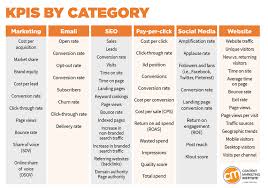
An effective digital marketing strategy involves continuous monitoring and analysis of key performance indicators (KPIs) to evaluate the success of your campaigns. By tracking metrics such as website traffic, conversion rates, click-through rates, and engagement levels, you can identify areas for improvement and make data-driven decisions to optimise your strategies for better results.
Conclusion
In conclusion, developing a strong digital marketing strategy is vital for building a successful brand presence in today’s competitive marketplace. By understanding your audience, setting clear goals, utilising multiple channels, creating compelling content, and measuring performance consistently, you can drive meaningful results that contribute to the long-term success of your brand.
Essential FAQs on Crafting an Effective Digital Marketing Strategy for Your Brand
- What are the 4 branding strategies?
- What are the 5 main strategies of digital marketing?
- What are the 7 C’s of digital marketing?
- What should a digital marketing strategy include?
- What is the most effective digital marketing strategy?
- What is the 70 20 10 rule in digital marketing?
- How to do digital marketing for my brand?
What are the 4 branding strategies?
When it comes to digital marketing strategy for a brand, understanding the four key branding strategies is essential for creating a strong and cohesive brand identity. The four branding strategies include differentiation, relevance, esteem, and knowledge. Differentiation focuses on setting your brand apart from competitors by highlighting unique selling points. Relevance involves ensuring that your brand resonates with your target audience’s needs and preferences. Esteem aims to build trust and credibility with consumers, while knowledge focuses on increasing awareness and understanding of your brand within the market. By incorporating these four branding strategies into your digital marketing efforts, you can effectively position your brand for success in the competitive online landscape.
What are the 5 main strategies of digital marketing?
When it comes to crafting a successful digital marketing strategy for a brand, understanding the five main strategies of digital marketing is crucial. These strategies include search engine optimisation (SEO) to improve visibility on search engines, pay-per-click (PPC) advertising for targeted promotion, social media marketing to engage with audiences, content marketing to provide valuable information, and email marketing for direct communication with customers. By integrating these key strategies effectively, brands can enhance their online presence, drive engagement, and achieve their business objectives in the digital landscape.
What are the 7 C’s of digital marketing?
The 7 C’s of digital marketing are a framework that outlines key elements essential for developing a successful digital marketing strategy for a brand. These 7 C’s include content, context, connectivity, community, commerce, customization, and conversation. Content refers to creating valuable and engaging content that resonates with the target audience. Context emphasises delivering the right message at the right time to the right audience. Connectivity focuses on leveraging various digital channels to connect with customers effectively. Community involves building a loyal community of brand advocates. Commerce relates to driving sales and transactions through digital platforms. Customization entails personalising marketing efforts based on individual preferences. Conversation highlights the importance of engaging in two-way communication with customers to build relationships and foster brand loyalty. By incorporating these 7 C’s into their digital marketing strategy, brands can enhance their online presence and achieve their business objectives successfully.
What should a digital marketing strategy include?
When crafting a digital marketing strategy for a brand, it is important to consider a comprehensive approach that encompasses various key elements. A well-rounded digital marketing strategy should include a thorough understanding of the target audience, clear and measurable goals, a mix of digital channels such as SEO, PPC, social media, and content marketing, compelling and engaging content creation, as well as regular performance tracking and optimisation based on data analysis. By incorporating these essential components into a digital marketing strategy, brands can effectively reach their audience, drive engagement, and achieve their business objectives in the competitive digital landscape.
What is the most effective digital marketing strategy?
When it comes to digital marketing strategy for a brand, one of the most frequently asked questions is, “What is the most effective digital marketing strategy?” The answer to this question varies depending on various factors such as the nature of the business, target audience, industry trends, and overall marketing goals. While there is no one-size-fits-all approach to digital marketing success, a combination of strategies that includes content marketing, search engine optimisation (SEO), social media marketing, email campaigns, and paid advertising often proves to be effective. The key lies in understanding your audience, setting clear objectives, and continuously evaluating and adjusting your strategies to maximise results and achieve sustainable growth for your brand.
What is the 70 20 10 rule in digital marketing?
The 70 20 10 rule in digital marketing is a commonly referenced guideline that suggests how brands should allocate their marketing budget across different types of content. According to this rule, 70% of the budget should be dedicated to proven and successful marketing strategies, 20% to innovative ideas that have shown some potential, and the remaining 10% to experimental or risky initiatives. By following this rule, brands can strike a balance between maintaining stability with existing tactics and exploring new opportunities for growth and innovation in their digital marketing efforts.
How to do digital marketing for my brand?
When it comes to implementing a successful digital marketing strategy for your brand, the key lies in understanding your target audience, setting clear goals, and utilising various digital channels effectively. Start by conducting thorough market research to identify your audience’s preferences and behaviours. Define specific goals and objectives that align with your brand’s vision and mission. Then, leverage a mix of digital marketing tactics such as SEO, social media marketing, content creation, and email campaigns to engage with your audience and drive conversions. Regularly monitor performance metrics to track progress and make necessary adjustments to optimise your strategies for maximum impact. By following these steps, you can create a tailored digital marketing approach that resonates with your audience and helps elevate your brand presence online.
Leave a Reply