
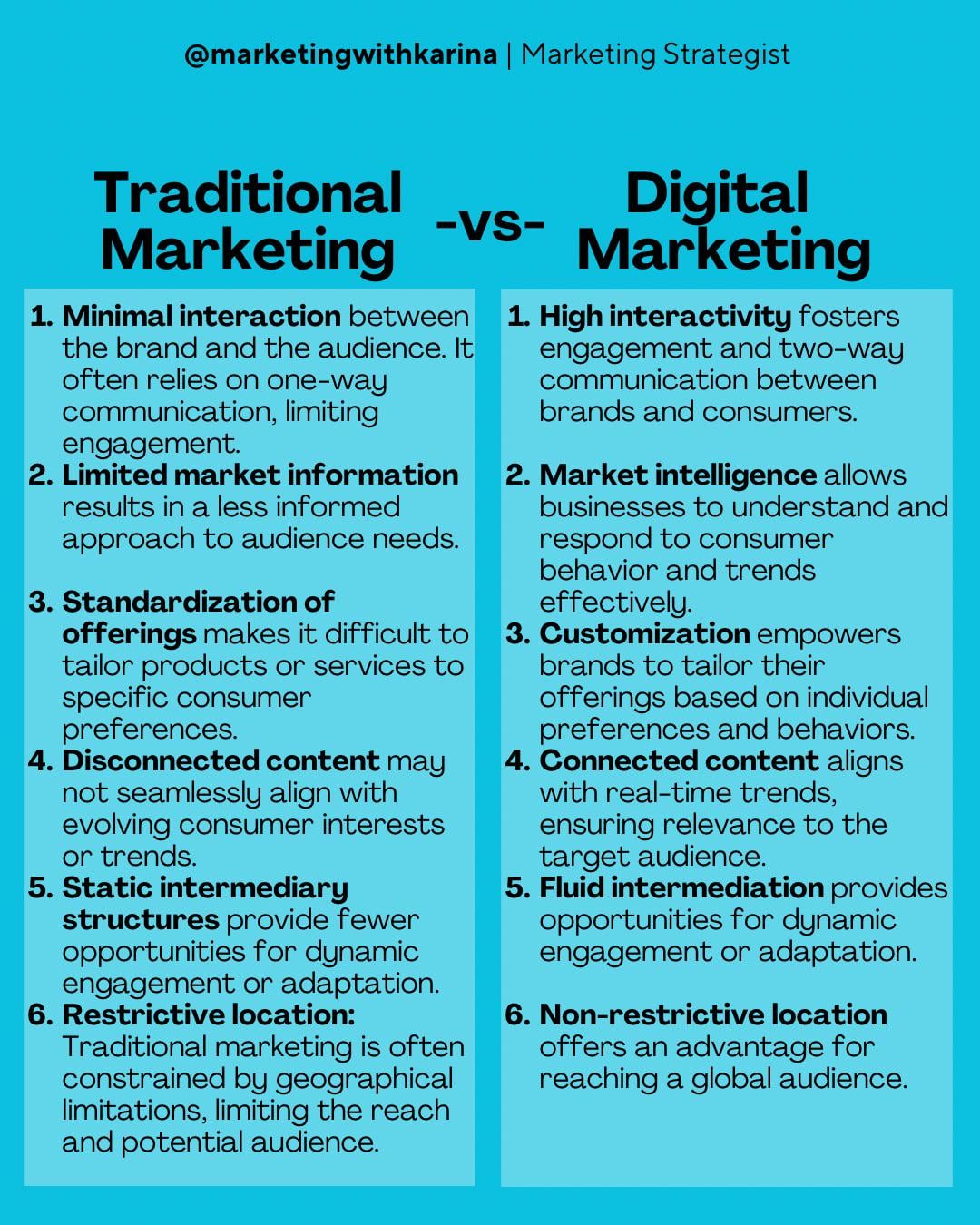
Marketing and Digital Marketing: A Practical Guide
Marketing helps businesses understand their customers, communicate the value of their products or services and build lasting relationships. It includes everything from researching a market and setting prices to creating campaigns and supporting customers. Digital marketing is the part of marketing carried out through online channels and digital technologies.
Both are important to sustainable business growth. A strong approach starts with clear objectives and a good understanding of the audience, then chooses the channels and messages most likely to reach that audience effectively.
What is marketing?
Marketing is the process of identifying customer needs and meeting them in a way that supports an organisation’s goals. It is broader than advertising: it can influence what a business offers, how it is priced, where it is available and how it is presented to customers.
Traditional marketing activities may include print advertising, direct mail, public relations, events and in-person sales. These methods can still be effective, particularly when they suit the audience or help a business build a presence in its local community.
What is digital marketing?
Digital marketing uses online channels and digital tools to reach, engage and serve customers. Common activities include:
- Search engine optimisation (SEO): improving a website’s visibility in unpaid search results.
- Paid search advertising: placing adverts in search results for relevant queries.
- Content marketing: publishing useful articles, guides, videos and other content.
- Social media marketing: using social platforms to share content, engage with audiences and promote offers.
- Email marketing: sending relevant updates and offers to people who have chosen to receive them.
- Online display and video advertising: using visual adverts across websites and digital platforms.
Digital channels can make it easier to reach specific audiences and assess how campaigns are performing. However, they work best when used thoughtfully and as part of a wider marketing plan.
How marketing and digital marketing work together
Digital marketing is not separate from marketing strategy; it is one set of ways to put that strategy into practice. A business might use customer research to identify a need, develop an offer to meet it, and then communicate that offer through a mix of online and offline channels.
For example, a local business might build awareness through community events and local press while also improving its website, maintaining a business profile in online directories and sharing useful updates on social media. The right combination depends on the business, its customers and its objectives.
Building an effective marketing strategy
- Set clear objectives. Decide what the marketing needs to achieve, such as raising awareness, generating enquiries, encouraging repeat purchases or supporting a new product launch.
- Understand the audience. Research customers’ needs, preferences and decision-making process. Avoid relying on assumptions when customer feedback and data are available.
- Define the value you offer. Explain what makes the product or service relevant and useful to the intended audience.
- Choose suitable channels. Select channels based on audience behaviour, budget and the type of message—not simply because a platform is popular.
- Create consistent content. Use clear, accurate messages across the website, advertising, social media and other customer touchpoints.
- Review performance. Measure results against the original objectives and use the findings to improve future activity.
Measuring results
Useful measures depend on the purpose of a campaign. Website visits may help assess reach, while enquiries, sales or bookings can indicate whether marketing is contributing to business outcomes. Other measures include email engagement, repeat purchases and the cost of acquiring a customer.
Numbers should be interpreted in context. A high number of clicks does not necessarily mean a campaign is successful if those visitors are unlikely to become customers. Businesses should focus on meaningful measures, use reliable tracking where appropriate and allow enough time to understand longer-term effects.
Common challenges
Marketing can become less effective when objectives are unclear, messages are inconsistent or activity is spread across too many channels. Other challenges include limited budgets, changes in customer behaviour and difficulty linking online activity to sales.
To address these issues, businesses can prioritise a small number of well-chosen activities, make sure their website provides a clear and useful experience, and review results regularly. Respecting privacy and following relevant data-protection and advertising rules are also essential parts of responsible marketing.
Conclusion
Marketing is about understanding customers and showing how a business can meet their needs. Digital marketing offers a range of tools for doing this online, from search and social media to email and content. The strongest results come from a considered strategy: clear objectives, relevant messages, appropriate channels and ongoing evaluation.
Essential FAQs on Marketing and Digital Marketing for Businesses
- What is marketing?
- What is digital marketing?
- What is the difference between marketing and digital marketing?
- Which digital marketing channels are most effective?
- How much does digital marketing cost?
- How long does it take to see results from digital marketing?
- How can I measure the success of a marketing campaign?
- How can a small business get started with digital marketing?
What is marketing?
Marketing is the process of understanding customers’ needs and communicating how a product or service can meet them. It includes activities such as market research, product development, pricing, promotion and customer service—not just advertising. Effective marketing helps a business reach the right audience, build trust and encourage lasting customer relationships.
What is digital marketing?
Digital marketing is the promotion of products, services or brands through online channels and digital technologies. It can include search engine optimisation (SEO), paid advertising, social media, email campaigns and online content. Businesses use these channels to reach relevant audiences, build relationships and encourage actions such as making an enquiry or completing a purchase. The right approach depends on the organisation’s goals, audience and budget.
What is the difference between marketing and digital marketing?
Marketing is the broad process of understanding customers, promoting products or services and building relationships with an audience. It includes both traditional methods, such as print advertising, events and direct mail, and online activity. Digital marketing is a part of marketing that uses digital channels and technologies, such as websites, search engines, email, social media and online advertising, to reach and engage customers. In short, digital marketing is one way to carry out marketing, alongside traditional approaches.
Which digital marketing channels are most effective?
The most effective digital marketing channels depend on your audience, objectives and budget. Search engine optimisation can help people find your website when they are looking for relevant information or services, while paid search can reach them with targeted adverts. Social media is useful for building awareness and engaging with specific communities, and email marketing can nurture relationships with people who have opted to hear from you. Rather than trying to use every channel, focus on those your customers use and measure performance against clear goals such as enquiries, sales or repeat visits.
How much does digital marketing cost?
The cost of digital marketing varies depending on your goals, the channels you use, the size of your campaign and whether you manage activity in-house or work with an agency. Costs may include strategy, content creation, SEO, paid advertising, email marketing and reporting, while advertising platforms usually charge separately for media spend. A small, focused campaign may need a modest budget, whereas competitive markets and broader campaigns often require greater investment. Start by setting clear objectives and a budget, then review performance regularly so spending can be adjusted towards the activities delivering the best results.
How long does it take to see results from digital marketing?
The time it takes to see results from digital marketing depends on your goals, channels and starting point. Paid advertising can generate traffic and enquiries quickly, while SEO and content marketing usually take longer—often several months—to build visibility and momentum. Results also depend on factors such as competition, budget, website quality and how consistently your campaigns are managed. Set clear goals, track meaningful measures and review performance regularly so you can refine your approach over time.
How can I measure the success of a marketing campaign?
Measure a marketing campaign against the objectives set before it began. Choose relevant key performance indicators (KPIs), such as sales, qualified leads, website visits, conversion rate, customer acquisition cost or engagement, depending on what the campaign is intended to achieve. Use analytics and tracking tools to monitor results, compare them with your targets and, where possible, assess performance against a previous campaign or baseline. Looking beyond clicks and impressions helps show whether the campaign delivered meaningful business results and where future activity could be improved.
How can a small business get started with digital marketing?
A small business can get started with digital marketing by setting a clear goal, such as attracting local customers, generating enquiries or increasing online sales. Identify the intended audience, make sure the website is easy to use on mobile devices, and choose one or two channels that suit how those customers search and communicate—for example, a well-maintained Google Business Profile, social media or email. Publish useful, relevant content, keep business details and messages consistent, and use simple analytics to see what is working. Start within budget, review results regularly and refine the approach over time.
Leave a Reply