
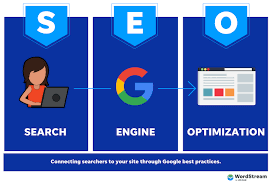
Search Engine Optimisation Marketing: A Practical Guide
Search engine optimisation (SEO) marketing helps businesses become more visible in organic search results. By making a website useful to visitors and easier for search engines to understand, SEO can attract relevant traffic, build trust and support long-term business growth.
Unlike paid advertising, organic search visibility is not bought directly. It develops through a combination of helpful content, sound website performance and signals that show a page is relevant to a search. Results can take time, but a well-planned SEO strategy can continue to deliver value after the work is published.
What is SEO marketing?
SEO marketing is the use of search optimisation to reach people who are looking for information, products or services online. It involves understanding what potential customers search for, then creating and improving web pages to meet those needs.
SEO is not simply about adding keywords to a page. Search engines aim to provide results that are relevant and useful, so effective optimisation considers the whole experience: the quality of the information, the structure of the site, its performance on mobile devices and how easily visitors can find what they need.
The main parts of SEO
Keyword and audience research
Keyword research helps identify the words and questions people use when searching. It can reveal what they want to know, compare or buy. The aim is not to target every popular phrase, but to find relevant topics that match the business and the needs of its audience.
Search intent matters, too. Someone looking for “how to choose running shoes” may want guidance, while someone searching for “buy running shoes” is more likely to be ready to purchase. Pages should reflect the purpose behind the search.
On-page optimisation
On-page SEO improves the content and elements of individual pages. This may include writing clear page titles and headings, using descriptive URLs, adding useful internal links and making sure the main topic is explained in a straightforward way.
Keywords should appear naturally where they help readers understand the page. Repeating the same phrase excessively can make content harder to read and does not create a good experience.
Technical SEO
Technical SEO focuses on whether search engines can access, crawl and understand a website. It can include improving page speed, ensuring the site works well on mobile, fixing broken links, organising the site structure and providing an XML sitemap.
Security and accessibility are also important considerations. A well-built site should be reliable, easy to navigate and usable by as many people as possible.
Content creation
Useful content gives visitors a reason to choose and trust a business. Depending on the audience, this might include service pages, guides, product information, case studies or answers to common questions.
Strong content is accurate, clearly written and kept up to date. Rather than publishing for the sake of frequency, focus on addressing genuine needs and providing information that is more helpful than a superficial overview.
Off-page SEO
Off-page SEO covers activity beyond a website that can contribute to its reputation and visibility. Relevant mentions and links from reputable websites may help search engines understand that a business is established and worth considering.
These signals should be earned through worthwhile work, such as original research, useful resources, strong partnerships and good public relations. Buying links or using manipulative tactics can put a website’s search performance at risk.
How to build an SEO marketing strategy
- Set clear objectives. Decide what SEO should support, such as increasing relevant enquiries, growing online sales or helping more people discover a service.
- Review the current website. Check its content, structure, performance and existing search visibility to identify priorities.
- Research the audience and search topics. Find out what potential customers need and how they describe those needs in search.
- Plan useful pages and content. Match each important topic to a page that serves a clear purpose and provides a complete answer.
- Improve the website experience. Make pages easy to navigate, quick to load and straightforward to use on mobile devices.
- Measure and refine. Review performance regularly and use the findings to improve pages, content and technical foundations.
Measuring SEO performance
SEO performance should be assessed against business goals, not just rankings. Useful measures can include organic visits, visibility for relevant searches, engagement with key pages, enquiries, sales and other meaningful conversions.
Tools such as Google Search Console and web analytics platforms can help show how people find and use a site. Data should be interpreted in context: a rise in traffic is not necessarily valuable if it does not reach the right audience or support a business objective.
Common SEO mistakes to avoid
- Expecting instant results: SEO often takes time, and progress can vary by sector, competition and the condition of a website.
- Writing for search engines instead of people: Content should be clear and genuinely useful to its intended audience.
- Targeting too many topics on one page: Each page should have a clear focus and meet a particular need.
- Ignoring technical problems: Broken pages, slow loading and confusing navigation can undermine otherwise good content.
- Using risky shortcuts: Tactics designed to manipulate rankings may cause lasting damage and should be avoided.
- Failing to review content: Outdated or inaccurate information can weaken a site’s usefulness and credibility.
SEO as part of wider digital marketing
SEO works best when it supports the rest of a business’s marketing. Customer research can inform social media and email campaigns, while helpful content can be shared across multiple channels. Paid search can also provide short-term visibility and insights into which messages resonate with an audience.
Each channel has a different role, but a consistent message and a clear understanding of customer needs can make the overall marketing effort more effective.
Conclusion
Search engine optimisation marketing is a long-term way to connect a business with people searching for relevant information, products or services. It combines audience research, useful content, technical improvements and careful measurement. By focusing on genuine value rather than quick fixes, businesses can build a stronger search presence and create a better experience for their visitors.
8 Benefits of Search Engine Optimisation Marketing
- Increases organic visibility
- Attracts relevant visitors
- Builds brand credibility
- Supports long-term growth
- Can lower reliance on paid ads
- Reaches customers actively searching
- Provides measurable insights
- Improves website content and usability
The Drawbacks of Search Engine Optimisation (SEO) Marketing
- SEO can take months to show results.
- Search rankings can change unexpectedly.
- Competitive keywords can be costly to target.
- SEO requires ongoing work and updates.
Increases organic visibility
Search engine optimisation marketing increases organic visibility by helping a website appear more prominently in unpaid search results for relevant queries. By creating useful content and improving a site’s structure and technical performance, businesses can make it easier for potential customers to discover them when searching for related products, services or information.
Attracts relevant visitors
Search engine optimisation marketing helps attract relevant visitors by making your website easier to find for people searching for the products, services or information you offer. By targeting useful keywords and creating content that matches searchers’ needs, you can reach a more interested audience—people who are more likely to explore your site, make an enquiry or become customers.
Builds brand credibility
Search engine optimisation marketing can build brand credibility by helping a business appear prominently when people search for relevant information, products or services. High-quality, useful content and a well-organised website can reinforce a professional image and give visitors confidence in the brand. Over time, consistent visibility in organic search can help establish a business as a trusted source in its field.
Supports long-term growth
Search engine optimisation marketing supports long-term growth by helping a business build lasting visibility in organic search results. Well-researched content and a technically sound website can continue to attract relevant visitors over time, rather than generating traffic only while an advert is running. As a site earns greater authority and meets its audience’s needs, it can create a steady foundation for more enquiries, sales and brand awareness.
Can lower reliance on paid ads
Effective search engine optimisation marketing can lower a business’s reliance on paid adverts by helping its website attract relevant visitors through organic search. While SEO takes time and ongoing effort, strong rankings for valuable search terms can provide a more consistent source of traffic without paying for every click. Paid advertising can still play an important role, but organic visibility may help balance marketing costs and reduce dependence on advertising spend alone.
Reaches customers actively searching
One of the key benefits of search engine optimisation marketing is that it helps businesses reach people who are already actively searching for relevant products, services or information. By appearing in search results for the terms your audience uses, your website can connect with potential customers at the moment they are looking for a solution. This makes SEO a valuable way to attract visitors with a genuine interest in what your business offers.
Provides measurable insights
One of the key advantages of search engine optimisation marketing is that it provides measurable insights into how people find and use your website. Analytics tools can track organic visits, search queries, page engagement and conversions, helping you see which content performs well and where improvements are needed. These insights make it easier to refine your strategy, focus on what matters to your audience and assess progress towards your business goals.
Improves website content and usability
Search engine optimisation marketing encourages businesses to create clear, relevant content that answers visitors’ questions and meets their needs. It also highlights improvements to site structure, navigation, mobile accessibility and page speed, making information easier to find and the website more pleasant to use. These changes can benefit both visitors and search visibility, helping people engage with the site and take the next step.
SEO can take months to show results.
One drawback of search engine optimisation marketing is that it can take months to show noticeable results. Search engines need time to discover and assess website changes, while competition and the site’s existing authority can also affect progress. This means SEO may not suit businesses seeking immediate traffic or sales, so it is important to set realistic expectations and consider short-term channels, such as paid advertising, alongside a longer-term SEO strategy.
Search rankings can change unexpectedly.
Search rankings can change unexpectedly, making SEO results difficult to predict. Search engines regularly update their algorithms, while competitors may improve their websites or publish stronger content. As a result, a page that performs well today could lose visibility tomorrow, affecting website traffic and enquiries. Businesses need to monitor performance and adapt their strategy, but even careful optimisation cannot guarantee a fixed position in search results.
Competitive keywords can be costly to target.
Highly competitive keywords can be costly to target because they often require substantial investment in research, high-quality content, technical improvements and ongoing optimisation to compete with established websites. Even with that effort, strong rankings are not guaranteed and may take time to achieve. For smaller businesses, it can be more effective to focus on specific, less competitive search terms that better match their audience and budget.
SEO requires ongoing work and updates.
One drawback of search engine optimisation marketing is that it requires ongoing work and regular updates. Search trends, competitors and search engine algorithms can change, while website content and technology may become outdated. Businesses therefore need to keep reviewing performance, refreshing key pages and fixing technical issues. Without consistent attention, rankings and organic traffic may decline, making SEO a continuing investment of time and resources rather than a one-off task.
Leave a Reply