
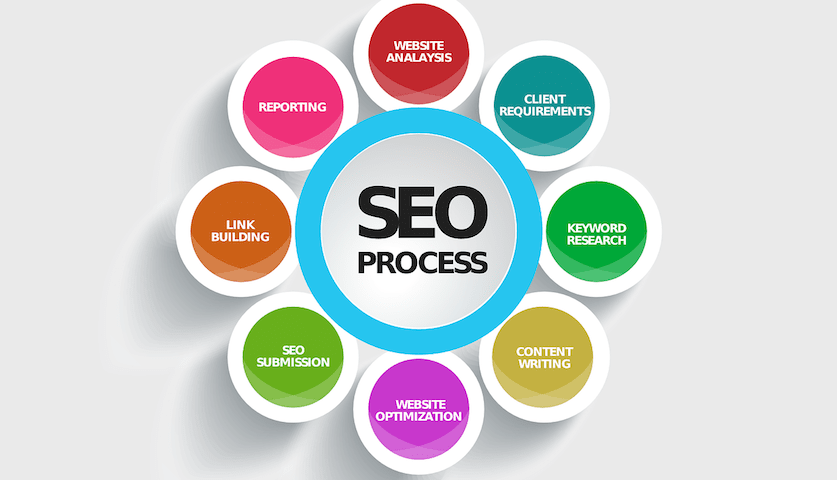
Search Engine SEO: A Practical Guide to Improving Your Website’s Visibility
Search engine optimisation (SEO) is the process of improving a website so that it is easier for search engines to understand and more useful to the people who visit it. Effective SEO can help relevant pages appear more prominently in unpaid search results, making it easier for potential customers, readers or clients to find them.
SEO is not a quick fix or a guarantee of a particular ranking. Search engines use many signals to decide which results to show, and their algorithms change over time. A lasting approach focuses on useful content, a technically sound website and a good experience for visitors.
How search engines work
Search engines generally discover pages by following links, store information about them in an index, and then select and order results in response to a search. A page can only appear in search results if the search engine can access and understand it. Even then, its visibility depends on how well it answers the searcher’s needs compared with other available pages.
SEO therefore involves more than adding keywords to a page. It brings together content, website structure, technical performance and reputation.
Understand what people are searching for
Keyword research helps you understand the words and questions people use when looking for information, products or services. It can reveal the topics your website should cover and the language your audience is likely to recognise.
Look beyond individual keywords. Consider the intent behind a search: someone may want a quick answer, compare options, find a particular website or make a purchase. The page should meet that need clearly. A detailed guide, for example, may suit an informational search, while a well-organised product page may be more relevant to someone ready to buy.
Create helpful, well-structured content
High-quality content gives visitors accurate, relevant information and makes it easy to find the answer they need. Before creating a page, decide who it is for, what question it addresses and what the reader should be able to do afterwards.
- Use a clear, descriptive page title and one main heading.
- Organise information under useful subheadings.
- Explain specialist terms where necessary.
- Use examples, evidence or practical steps to make advice more useful.
- Keep information up to date, particularly when facts or recommendations change.
- Link to relevant pages on your own site and to trustworthy sources where appropriate.
Write naturally for people rather than repeating phrases to influence rankings. Search engines are designed to identify relevant topics and context, so forced keyword use can make a page harder to read without improving its value.
Improve on-page SEO
On-page SEO refers to changes made to individual pages to help visitors and search engines understand them. Alongside useful content, pay attention to page titles, headings, image descriptions and internal links.
Write a unique title that accurately describes the page. Use headings to create a logical structure, not simply to make text look larger. Add descriptive alternative text to meaningful images so that their purpose can be understood by people using assistive technology and by systems that cannot interpret the image visually. Decorative images can usually be given empty alternative text.
Internal links connect related pages and help visitors explore your site. Use descriptive link text that gives a clear indication of where the link leads, rather than relying on vague wording such as “click here”.
Look after technical SEO
Technical SEO helps search engines access, crawl and interpret a website. It also supports a smooth experience across different devices. Key areas to review include:
- Mobile usability: Make sure pages work well on phones and tablets, as well as on desktop computers.
- Page speed: Compress large images, reduce unnecessary scripts and check how quickly important content loads.
- Secure connections: Use HTTPS to protect connections between the site and its visitors.
- Site structure: Organise pages logically and make important content easy to reach.
- Indexing: Check that important pages are accessible to search engines and that pages you do not want indexed are configured appropriately.
- Broken links and errors: Fix dead links and address technical errors that prevent pages from working as intended.
Tools such as Google Search Console and web analytics platforms can help identify crawling issues, search queries, traffic patterns and opportunities for improvement.
Build credibility and earn links
Links from other relevant, reputable websites can help people discover your content and may contribute to how search engines assess its credibility. The most sustainable way to attract links is to publish something genuinely useful, such as original research, a clear guide, a helpful tool or expert insight.
Avoid buying links or taking part in schemes designed to manipulate rankings. Such tactics can put a website at risk and rarely create lasting value. Focus instead on building relationships, sharing useful work and earning references naturally.
Measure progress and keep improving
SEO is an ongoing process. Track measures that relate to your goals, such as organic visits, search impressions, clicks, enquiries or sales. Rankings can provide context, but they should not be the only measure of success: a page that attracts the right visitors and helps them take action may be more valuable than one that ranks highly for an irrelevant query.
Review performance regularly. Look for pages that are gaining visibility, pages that have declined, and questions your audience appears to be asking. Use these insights to improve existing content, resolve technical issues and plan new pages.
Common SEO mistakes to avoid
- Writing for search engines instead of addressing readers’ needs.
- Publishing several pages that all target the same topic without a clear purpose.
- Using misleading titles or content that does not deliver what it promises.
- Ignoring mobile usability, accessibility or page performance.
- Expecting immediate results or treating SEO as a one-off task.
- Using manipulative tactics, including keyword stuffing and spammy link-building.
Conclusion
Successful search engine SEO combines relevant content with a reliable, accessible website and a clear understanding of what visitors are looking for. There is no single change that guarantees top rankings. Consistent improvements, measured over time and guided by genuine user needs, give a website the strongest foundation for earning visibility in search results.
7 Essential SEO Tips to Boost Your Search Engine Visibility
- Research the search terms your audience uses.
- Write clear, useful page titles and meta descriptions.
- Create original content that answers readers’ questions.
- Use descriptive headings and organise content logically.
- Make your website fast and mobile-friendly.
- Add relevant links between related pages.
- Check your site’s performance and update content regularly.
Research the search terms your audience uses.
Research the search terms your audience uses to understand what they are looking for and how they describe it. Explore common questions, related phrases and the intent behind each search, whether people want information, are comparing options or are ready to buy. Use these insights to shape useful pages that answer their needs naturally, rather than simply repeating keywords.
Write clear, useful page titles and meta descriptions.
Write a clear, useful page title and meta description for every important page. The title should summarise the page accurately and include the main topic naturally, while the description should briefly explain what visitors will find and why it may be useful. Keep both concise and distinctive, and avoid misleading claims or cramming in keywords. Search engines may sometimes display different text in results, but well-written titles and descriptions can help people understand your page and decide whether it answers their needs.
Create original content that answers readers’ questions.
Create original content that answers readers’ questions clearly and thoroughly. Start by identifying what your audience wants to know, then provide accurate, practical information in your own words. Useful content gives visitors a reason to stay, builds trust and can help search engines understand how your page relates to relevant searches. Avoid simply repeating what other websites say: add your own expertise, examples or insights, and keep the information up to date.
Use descriptive headings and organise content logically.
Use clear, descriptive headings to show readers what each section covers and help them find the information they need. Organise content in a logical order, with one main heading followed by relevant subheadings, so the page is easy to scan and understand. This structure also helps search engines interpret the main topics on the page. Keep headings accurate and specific, and avoid using them solely to insert keywords.
Make your website fast and mobile-friendly.
Make your website fast and mobile-friendly to give visitors a better experience and help search engines understand that your site is easy to use. Pages should load quickly, images should be optimised, and navigation and text should work well on smaller screens. Test your site on different devices and fix issues such as slow-loading content, buttons that are difficult to tap or layouts that require visitors to scroll horizontally.
Add relevant links between related pages.
Add relevant links between related pages to help visitors discover useful information and navigate your website more easily. Clear internal links also help search engines understand how your pages relate to one another and which topics your site covers. Use descriptive link text that tells readers what to expect, and only link where it adds genuine value.
Check your site’s performance and update content regularly.
Check your website’s performance regularly to see which pages attract visitors, how people find them and where there may be room for improvement. Use tools such as Google Search Console and analytics reports to spot changes in clicks, impressions and engagement. Review your content to ensure it remains accurate, useful and relevant, updating outdated information and improving pages that are no longer meeting visitors’ needs. Regular monitoring and thoughtful updates can help maintain your site’s value for readers and support its visibility in search results.
Leave a Reply