
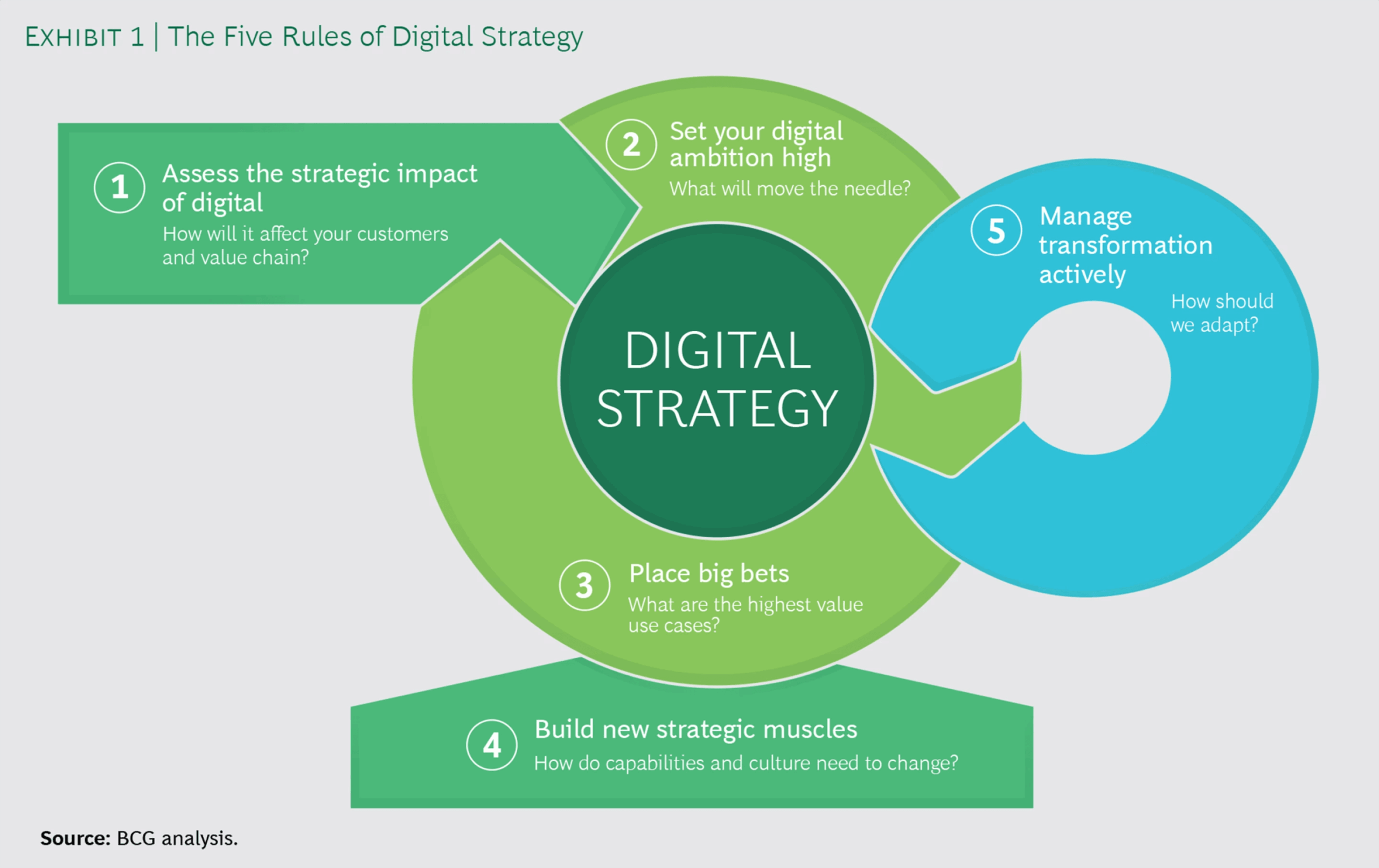
Digital Business Strategy: Turning Technology into Business Value
A digital business strategy sets out how an organisation will use digital technology, data and new ways of working to achieve its goals. It is not simply a plan to buy new software or improve a website. A strong strategy connects technology choices to customer needs, operational priorities and long-term business outcomes.
For some organisations, that may mean creating new digital products. For others, it could involve improving online services, automating routine tasks or using data to make better decisions. The right approach depends on the organisation’s ambitions, capabilities and customers.
Start with business goals
Digital initiatives are most effective when they address a clearly defined business need. Before selecting tools or platforms, leaders should agree what the organisation is trying to achieve. Goals might include increasing customer retention, reducing the time it takes to deliver a service, entering a new market or improving the reliability of operations.
Each goal should be specific enough to guide decisions. For example, “improve the customer experience” is a useful ambition, but it needs to be translated into measurable outcomes, such as reducing service response times or making it easier for customers to complete a purchase.
Understand customers and the market
Digital strategy should be informed by how customers behave, what they value and where they encounter difficulties. Research can include customer interviews, surveys, website analytics, support enquiries and feedback from frontline staff. These sources help identify unmet needs and opportunities to make interactions simpler.
It is also important to understand the wider market. Competitor activity, changes in customer expectations and emerging technologies can all affect an organisation’s position. However, copying a competitor’s digital offering is rarely a strategy in itself. Technology should be adopted because it supports a clear purpose, not simply because it is fashionable.
Choose the right initiatives
Once priorities are clear, organisations can identify the initiatives most likely to deliver value. These may include upgrading legacy systems, improving e-commerce, introducing customer relationship management software, developing data capabilities or automating selected processes.
Each proposed initiative should be assessed against its expected benefits, cost, complexity, risks and fit with existing systems. Prioritisation is essential: trying to transform everything at once can stretch budgets and teams, while a focused sequence of projects makes progress easier to manage and evaluate.
Build the foundations
Digital progress depends on more than technology. It also requires reliable data, appropriate skills, clear accountability and processes that support change. Organisations should consider whether their systems can share information securely, whether staff have the training they need and who will be responsible for decisions about digital products and data.
Good foundations include:
- Data governance: clear standards for data quality, access, retention and use.
- Cyber security: practical safeguards, regular reviews and a plan for responding to incidents.
- Integration: systems that work together where possible, rather than creating disconnected sources of information.
- Skills and culture: support for employees as roles, tools and ways of working evolve.
Deliver change in stages
A digital business strategy should be treated as an ongoing programme, not a one-off document. A roadmap can set out the main initiatives, dependencies, owners and expected timelines. It should also leave room to adapt as customer needs, technology and business conditions change.
Where possible, test ideas on a manageable scale before expanding them. A pilot can reveal usability issues, operational requirements and unexpected costs. Feedback from employees and customers can then inform improvements before a wider launch.
Change management is equally important. People need to understand why a change is happening, how it affects their work and where they can get support. Involving teams early can improve adoption and help uncover practical concerns that may not be visible to senior decision-makers.
Measure outcomes, not activity
Counting how many systems have been introduced or projects completed does not show whether a strategy is working. Measurement should focus on outcomes linked to business goals. Depending on the initiative, useful indicators might include customer satisfaction, conversion rates, processing times, service availability, cost per transaction or employee adoption.
Set a baseline before making changes, then review results regularly. If an initiative is not delivering the expected value, investigate why and decide whether to adjust, expand or stop it. This makes the strategy more accountable and helps organisations direct resources towards what works.
Manage risk and responsibility
Digital services can create value, but they also introduce risks involving privacy, security, resilience and regulatory compliance. Organisations should assess these issues early, rather than treating them as a final approval step. Data should be collected and used responsibly, and customers should be given clear information about how their information is handled.
New technologies, including artificial intelligence, may offer useful capabilities, but they require careful oversight. Organisations should consider accuracy, bias, transparency and the consequences of relying on automated decisions. Human review may be necessary where decisions have significant effects on customers or employees.
Make strategy a continuing practice
An effective digital business strategy brings together customer insight, business priorities, technology, people and governance. Its success depends not on how many tools an organisation adopts, but on whether those tools help it deliver meaningful results.
By setting clear goals, choosing initiatives carefully, building strong foundations and learning from evidence, organisations can make digital change more focused and sustainable. The strategy should be reviewed regularly so it remains aligned with the business and continues to create value as circumstances evolve.
7 Essential Tips for Crafting an Effective Digital Business Strategy
- Set clear digital goals linked to business outcomes.
- Put customer needs at the heart of every channel.
- Use data to guide decisions and measure progress.
- Invest in secure, scalable technology.
- Build digital skills across the team.
- Test new ideas quickly and learn from results.
- Review your strategy regularly as markets change.
Set clear digital goals linked to business outcomes.
Set clear digital goals that support wider business outcomes, rather than adopting technology for its own sake. Start by identifying what the organisation needs to achieve—such as improving customer retention, increasing online sales or reducing operating costs—then define specific, measurable targets for each goal. This makes it easier to prioritise initiatives, track progress and assess whether digital investment is delivering meaningful value.
Put customer needs at the heart of every channel.
Put customer needs at the heart of every channel by making each interaction straightforward, relevant and consistent, whether customers are using your website, social media, email or speaking to your team. Understand what they need at each stage of their journey, listen to their feedback and use it to improve the experience. When channels work together seamlessly, customers can move between them with less effort, building trust and strengthening their relationship with your business.
Use data to guide decisions and measure progress.
Use reliable, relevant data to guide decisions rather than relying on assumptions alone. Start by identifying the measures that link directly to your business goals, such as customer retention, conversion rates or service response times, and establish a baseline before making changes. Review results regularly to see what is working, where progress is falling short and whether your strategy needs adjusting. Data is most useful when it leads to clear action and is interpreted in context, alongside customer feedback and the knowledge of your team.
Invest in secure, scalable technology.
Invest in secure, scalable technology that meets your organisation’s needs today and can grow as those needs change. Prioritise reliable systems, strong data protection and regular security updates to reduce risk and build customer trust. Choose solutions that can integrate with your existing tools and expand without costly disruption, so your digital business strategy can adapt to new opportunities, rising demand and evolving regulations.
Build digital skills across the team.
Building digital skills across the team helps turn a business strategy into practical, everyday progress. Offer training that matches employees’ roles, from data literacy and digital tools to cyber security and responsible use of AI. Encourage people to share what they learn, experiment with new approaches and ask questions without fear of making mistakes. By investing in ongoing development and giving staff time to practise, organisations can build confidence, improve collaboration and make better use of their digital tools.
Test new ideas quickly and learn from results.
Test new ideas quickly by starting with a small, manageable trial rather than committing significant time and resources upfront. Set a clear goal for the test, decide how success will be measured and gather feedback from customers and staff. Use the results to understand what worked, what needs improving and whether the idea should be adapted, expanded or stopped. This approach helps businesses make evidence-based decisions, reduce risk and focus investment on changes that deliver real value.
Review your strategy regularly as markets change.
Reviewing your digital business strategy regularly helps keep it relevant as customer expectations, technologies and market conditions evolve. Set aside time to assess progress against your goals, examine performance data and consider feedback from customers and staff. If priorities or circumstances have changed, adjust your plans and resources accordingly. Regular reviews help you respond to new opportunities and challenges while keeping digital initiatives aligned with your wider business objectives.
Leave a Reply