
The Power of Digital Marketing Analytics
In today’s digital age, data is king. With the rise of online marketing, businesses have access to a wealth of information about their customers and campaigns. Digital marketing analytics play a crucial role in decoding this data and turning it into actionable insights that drive success.
Understanding Customer Behaviour
One of the key benefits of digital marketing analytics is the ability to track and analyse customer behaviour. By monitoring metrics such as website traffic, click-through rates, and conversion rates, businesses can gain valuable insights into how customers interact with their online platforms. This information can help businesses identify trends, preferences, and pain points, allowing them to tailor their marketing strategies for maximum impact.
Optimising Campaign Performance
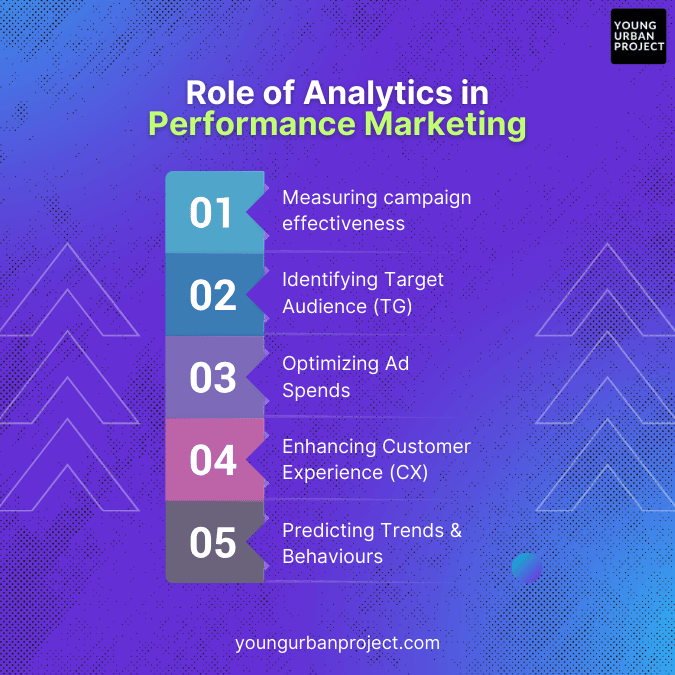
Analytics also play a vital role in optimising marketing campaigns. By measuring the performance of different channels, ads, and content pieces, businesses can identify what works and what doesn’t. This data-driven approach allows for continuous refinement and improvement, ensuring that resources are allocated effectively for the best possible results.
Personalising Customer Experiences
Digital marketing analytics enable businesses to create personalised customer experiences. By segmenting audiences based on behaviour and preferences, businesses can deliver targeted messages that resonate with individual customers. This level of personalisation not only enhances customer satisfaction but also drives engagement and loyalty over time.
Measuring ROI
Perhaps most importantly, digital marketing analytics provide businesses with a clear picture of their return on investment (ROI). By tracking metrics such as cost per acquisition (CPA) and customer lifetime value (CLV), businesses can assess the effectiveness of their marketing efforts and make informed decisions about future investments. This data-driven approach ensures that resources are allocated wisely for maximum impact on the bottom line.
The Future of Digital Marketing Analytics
As technology continues to evolve, so too will digital marketing analytics. With advancements in artificial intelligence (AI) and machine learning, businesses will be able to extract even deeper insights from their data and predict future trends with greater accuracy. The key to success in the digital age lies in harnessing the power of analytics to drive informed decision-making and stay ahead of the curve.
In conclusion, digital marketing analytics are essential for any business looking to thrive in today’s competitive landscape. By leveraging data-driven insights to understand customer behaviour, optimise campaigns, personalise experiences, and measure ROI, businesses can unlock new opportunities for growth and success in the digital realm.
Essential FAQs on Digital Marketing Analytics: Understanding, Optimising, and Measuring Success
- What is digital marketing analytics?
- Why is digital marketing analytics important for businesses?
- How can digital marketing analytics help in understanding customer behaviour?
- What key metrics are commonly used in digital marketing analytics?
- How can businesses use digital marketing analytics to optimise their campaigns?
- What are the benefits of personalising customer experiences through digital marketing analytics?
- How can businesses measure the return on investment (ROI) of their digital marketing efforts using analytics?
What is digital marketing analytics?
Digital marketing analytics is the practice of collecting, measuring, and analysing data from various digital marketing channels to evaluate the performance and effectiveness of online campaigns. It involves tracking key metrics such as website traffic, conversion rates, click-through rates, and customer engagement to gain insights into customer behaviour and preferences. By leveraging digital marketing analytics, businesses can make informed decisions, optimise their strategies, and enhance their online presence to drive meaningful results and achieve their marketing goals in the ever-evolving digital landscape.
Why is digital marketing analytics important for businesses?
Digital marketing analytics are crucial for businesses as they provide valuable insights into the effectiveness of their online marketing efforts. By tracking and analysing key metrics such as website traffic, conversion rates, and customer engagement, businesses can make data-driven decisions to optimise their campaigns and maximise ROI. Understanding customer behaviour, identifying trends, and measuring the impact of marketing strategies are just a few reasons why digital marketing analytics play a vital role in driving success in today’s competitive digital landscape. Without analytics, businesses would be operating blindly, missing out on opportunities for growth and improvement that data-driven insights can provide.
How can digital marketing analytics help in understanding customer behaviour?
Digital marketing analytics play a crucial role in understanding customer behaviour by providing businesses with valuable insights into how customers interact with their online platforms. By tracking metrics such as website traffic, click-through rates, and conversion rates, businesses can gain a deeper understanding of customer preferences, trends, and pain points. This data allows businesses to segment their audience effectively, tailor their marketing strategies to meet specific needs, and ultimately create more personalised and engaging experiences for their customers. With the help of digital marketing analytics, businesses can decode customer behaviour patterns and make informed decisions that drive success in the ever-evolving digital landscape.
What key metrics are commonly used in digital marketing analytics?
In digital marketing analytics, several key metrics are commonly used to measure the effectiveness of campaigns and strategies. These metrics include website traffic, conversion rate, click-through rate (CTR), bounce rate, cost per acquisition (CPA), return on investment (ROI), customer lifetime value (CLV), and engagement metrics such as likes, shares, and comments on social media platforms. By tracking and analysing these key metrics, businesses can gain valuable insights into the performance of their digital marketing efforts and make data-driven decisions to optimise their strategies for success.
How can businesses use digital marketing analytics to optimise their campaigns?
Businesses can leverage digital marketing analytics to optimise their campaigns by harnessing the power of data-driven insights. By tracking key metrics such as website traffic, conversion rates, and customer engagement, businesses can gain a deeper understanding of their target audience’s behaviour and preferences. This valuable information allows businesses to identify what strategies are working well and where improvements can be made. With the ability to measure the performance of different channels and content pieces, businesses can refine their marketing efforts in real-time, ensuring that resources are allocated effectively for maximum impact. Through continuous analysis and adjustment based on analytics data, businesses can enhance campaign performance, increase ROI, and ultimately achieve greater success in the competitive digital landscape.
What are the benefits of personalising customer experiences through digital marketing analytics?
Personalising customer experiences through digital marketing analytics offers a multitude of benefits for businesses. By leveraging data-driven insights to tailor messages and offerings to individual preferences and behaviours, businesses can enhance customer engagement, build loyalty, and drive conversions. Personalisation creates a more meaningful and relevant interaction with customers, increasing the likelihood of them responding positively to marketing efforts. This approach not only improves the overall customer experience but also contributes to higher retention rates and lifetime customer value. Ultimately, personalising customer experiences through digital marketing analytics enables businesses to establish stronger connections with their target audience and achieve sustainable growth in today’s competitive landscape.
How can businesses measure the return on investment (ROI) of their digital marketing efforts using analytics?
Businesses can measure the return on investment (ROI) of their digital marketing efforts using analytics by tracking key performance indicators (KPIs) that align with their specific goals. By analysing metrics such as conversion rates, customer acquisition costs, and lifetime customer value, businesses can calculate the effectiveness of their campaigns and determine the revenue generated from their digital marketing activities. Additionally, attribution modelling helps businesses understand the contribution of each touchpoint in the customer journey towards conversions, allowing for a more accurate assessment of ROI. With a comprehensive analytics strategy in place, businesses can make data-driven decisions to optimise their digital marketing efforts and maximise their ROI.
Leave a Reply