
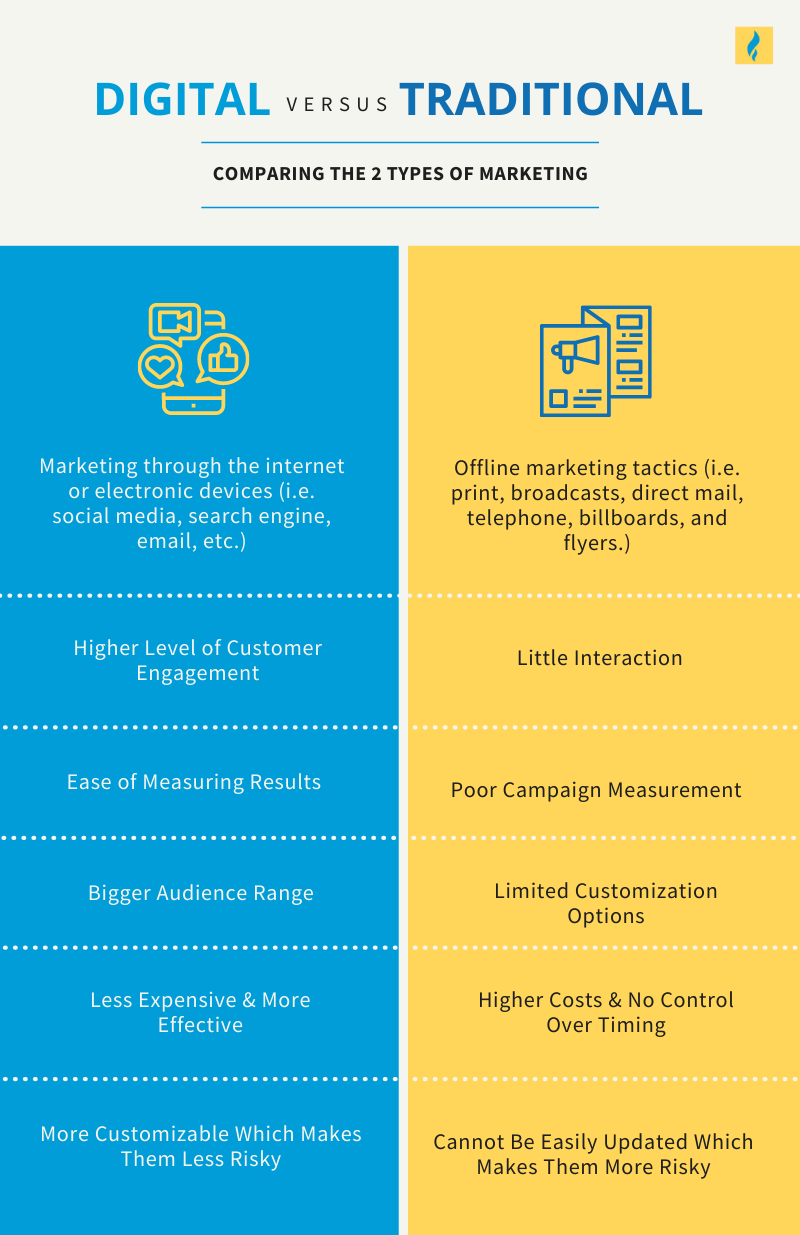
Digital Marketing: Reaching the Right People Online
Digital marketing is the promotion of products, services and brands through online channels. It helps businesses connect with audiences where they spend much of their time: on search engines, websites, social media platforms, email and mobile apps. Used effectively, digital marketing can build awareness, attract potential customers and support long-term growth.
What does digital marketing involve?
Digital marketing is an umbrella term for several related activities. A business might use a combination of the following:
- Search engine optimisation (SEO): Improving a website so that it is easier to find in relevant, unpaid search results.
- Content marketing: Creating useful articles, guides, videos and other content to inform or engage an audience.
- Social media marketing: Sharing content and communicating with customers on social platforms.
- Paid advertising: Paying to reach selected audiences through search ads, social media campaigns, display adverts or other placements.
- Email marketing: Sending relevant updates, offers and useful information to people who have chosen to receive them.
- Website and conversion optimisation: Making it easier for visitors to find information and take actions such as making an enquiry or completing a purchase.
Why is digital marketing important?
Online marketing gives organisations opportunities to reach specific audiences and adapt their activity based on performance. Rather than relying only on broad campaigns, businesses can tailor messages to people’s interests, locations or stage in the buying process.
Digital channels can also provide useful data. Website visits, enquiries, sales and campaign engagement can help a business understand what is working. This makes it possible to refine campaigns over time, although results depend on the quality of the strategy, the offer and the customer experience.
Building an effective digital marketing strategy
Successful digital marketing starts with clear objectives. A business should decide what it wants to achieve, such as increasing brand awareness, generating qualified leads, growing online sales or retaining existing customers. Objectives should be specific enough to measure.
Next, it is important to understand the intended audience. Research can reveal their needs, questions, preferences and the channels they use. This insight helps businesses create relevant content and choose suitable ways to reach people.
Each channel should have a defined role. For example, SEO and helpful content may support people researching a problem, while email can help maintain relationships with existing customers. Paid advertising may provide faster visibility, but it needs careful targeting and budget management.
Measure what matters
Digital marketing produces many possible measurements, but not all are equally useful. Website traffic or social media engagement can indicate interest, yet they do not always show whether a campaign is contributing to business goals. Measures such as qualified enquiries, conversion rates, customer acquisition costs and repeat purchases may provide a clearer picture.
Regular reviews help identify opportunities and problems. If a campaign attracts visitors but few enquiries, for instance, the website or offer may need attention. If an email receives little engagement, the subject line, timing or relevance of the content could be reconsidered.
Common challenges
Digital marketing is not an instant solution. Competition for attention is high, platforms and search algorithms change, and campaigns may take time to produce results. Businesses also need to respect privacy rules, obtain appropriate consent and handle customer data responsibly.
Another common challenge is spreading effort across too many channels. A focused plan, supported by consistent and useful content, is often more effective than trying to maintain a presence everywhere. The right approach will depend on the organisation, its audience and its resources.
Conclusion
Digital marketing combines online channels, useful content and performance data to help businesses connect with customers. A strong approach begins with clear goals and a sound understanding of the audience, then uses appropriate channels and measures results against meaningful outcomes. With regular testing and thoughtful improvement, digital marketing can become a valuable part of a business’s wider marketing strategy.
Seven Advantages of Digital Marketing: Expanding Global Reach and Enhancing Brand Growth
- Reaches audiences worldwide.
- Targets specific customer groups.
- Offers measurable campaign results.
- Can be cost-effective.
- Enables quick campaign adjustments.
- Builds direct customer relationships.
- Supports brand awareness and growth.
Challenges of Digital Marketing: Navigating Competition, Costs, Delayed Results, and Constant Change
- High competition can make it difficult to stand out.
- Paid campaigns can become costly without careful management.
- Results may take time and are not guaranteed.
- Frequent changes to platforms and algorithms require ongoing effort.
Reaches audiences worldwide.
Digital marketing can help businesses reach audiences around the world, without the geographical limits of many traditional channels. Through websites, search engines, social media and online advertising, a business can introduce its products or services to potential customers in different countries and time zones. With carefully targeted campaigns and content tailored to local languages and preferences, it can connect with international audiences more effectively.
Targets specific customer groups.
Digital marketing enables businesses to target specific customer groups with messages that match their interests, needs, location or online behaviour. Rather than promoting the same offer to everyone, a business can tailor campaigns for different audiences and reach people who are more likely to find its products or services relevant. This can make marketing more focused and help businesses use their budgets more effectively.
Offers measurable campaign results.
Digital marketing makes it easier to measure campaign results and understand what is working. Businesses can track figures such as website visits, clicks, enquiries, sales and conversion rates, then compare performance against their goals. These insights help marketers refine their campaigns, allocate budgets more effectively and make informed decisions about future activity.
Can be cost-effective.
Digital marketing can be a cost-effective way for businesses to reach potential customers. Campaigns can be tailored to specific audiences, helping reduce spending on people who are unlikely to be interested. Many online channels also allow businesses to start with a modest budget, monitor performance and adjust their approach as they learn what works. While costs vary and results are not guaranteed, careful planning and measurement can help make marketing budgets go further.
Enables quick campaign adjustments.
Digital marketing enables quick campaign adjustments, allowing businesses to respond promptly to performance data, customer feedback and changing market conditions. If an advert is not reaching the right audience or a message is underperforming, marketers can refine the targeting, update the creative or change the budget without waiting for a campaign to end. This flexibility helps businesses make better use of their resources and keep their marketing relevant.
Builds direct customer relationships.
Digital marketing helps businesses build direct relationships with customers through channels such as email, social media and online communities. By sharing useful, relevant content and responding to questions and feedback, businesses can create ongoing conversations rather than relying on one-off interactions. This helps them understand what customers value, provide a more personal experience and develop trust over time.
Supports brand awareness and growth.
Digital marketing supports brand awareness and growth by helping businesses reach more of the people who are likely to be interested in their products or services. Through channels such as search engines, social media, email and online advertising, a brand can share a consistent message, build trust and stay visible throughout the customer journey. Over time, this increased visibility can attract new customers, strengthen loyalty and create more opportunities for business growth.
High competition can make it difficult to stand out.
High competition can make it difficult for a business to stand out in digital marketing. Many brands compete for the same audiences across search engines, social media and online advertising, which can drive up costs and make it harder for messages to be noticed. To gain attention, businesses need a clear point of difference, relevant content and a strong understanding of the people they want to reach.
Paid campaigns can become costly without careful management.
Paid digital marketing campaigns can become costly if they are not carefully planned and monitored. Without clear objectives, precise audience targeting and regular performance checks, businesses may spend money on adverts that attract clicks but fail to generate meaningful enquiries or sales. Setting a realistic budget, tracking results and adjusting campaigns regularly can help keep costs under control and improve the return on investment.
Results may take time and are not guaranteed.
One drawback of digital marketing is that results can take time and are never guaranteed. Activities such as search engine optimisation and content marketing may require months of consistent effort before they attract more visitors or enquiries. Even paid campaigns can perform differently from expectations, as outcomes depend on factors such as competition, audience behaviour, budget and the strength of the offer. Businesses should therefore set realistic goals, monitor performance and be prepared to adjust their approach.
Frequent changes to platforms and algorithms require ongoing effort.
One drawback of digital marketing is the constant change across platforms and algorithms. Search engines and social media networks regularly update how content is ranked, displayed and promoted, so strategies that work today may become less effective over time. Businesses need to keep up with these changes, review their results and adapt their campaigns, which requires ongoing time, expertise and resources.
Leave a Reply