
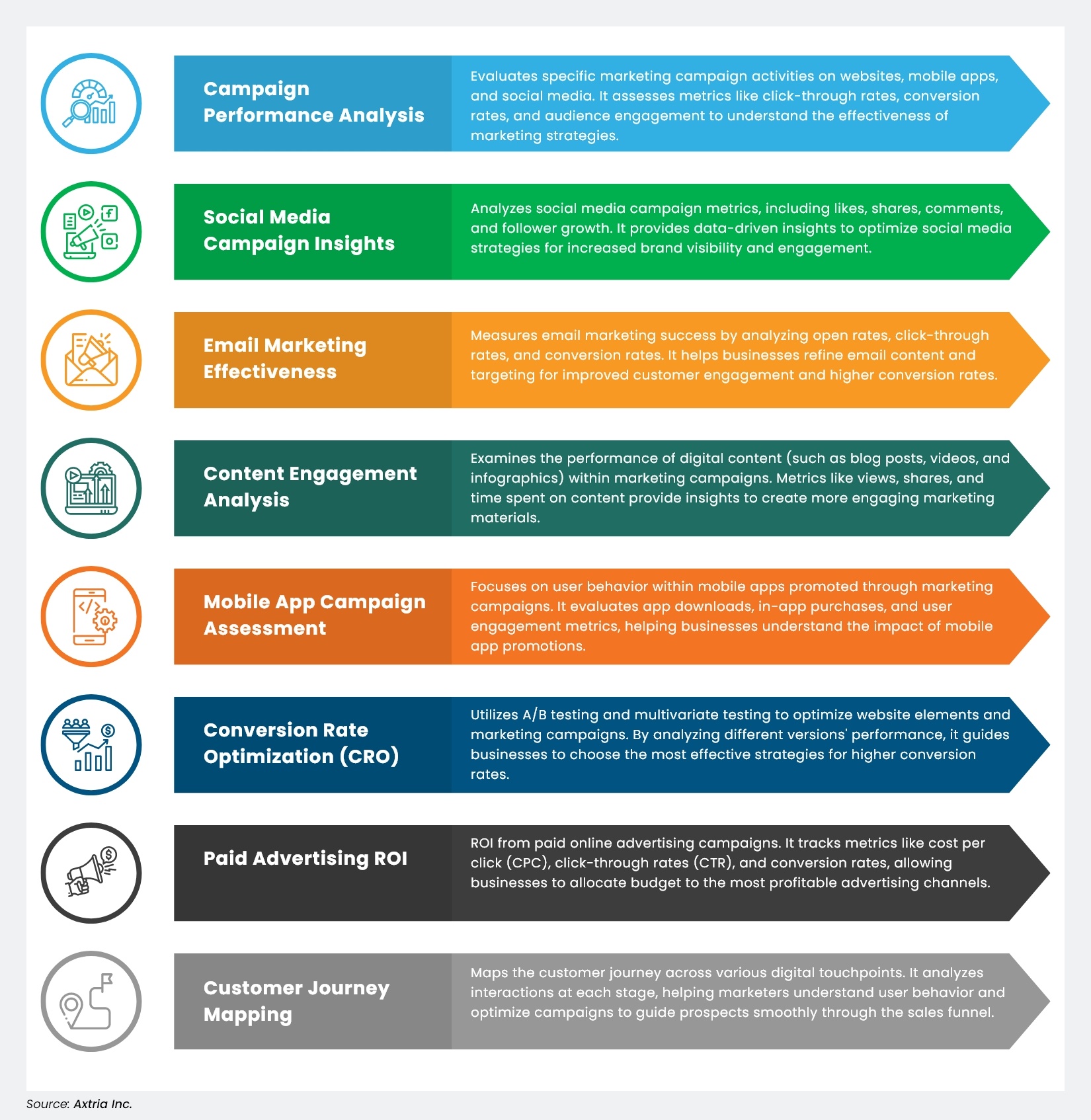
Online Marketing Analytics: Turning Data into Better Decisions
Online marketing analytics is the practice of collecting and analysing data about digital marketing activity. It helps businesses understand how people discover their brand, interact with its content and take action, such as making a purchase or submitting an enquiry.
Rather than relying on guesswork, businesses can use analytics to see what is working, identify areas for improvement and make more informed decisions about where to invest their marketing budget.
Why online marketing analytics matters
Digital campaigns generate information across websites, search engines, social media, email and advertising platforms. Analysed together, these data points can reveal how marketing contributes to business goals.
Effective analytics can help a business to:
- Understand which channels bring in relevant visitors
- Measure whether campaigns are meeting their objectives
- Identify where potential customers leave a website or sales journey
- Compare the performance of different messages, audiences and landing pages
- Allocate budget towards activity that delivers meaningful results
- Spot changes in customer behaviour and respond accordingly
Analytics is not simply about collecting as much data as possible. It is about finding reliable information that helps answer specific business questions.
Key metrics to monitor
The right metrics depend on what a campaign is intended to achieve. A brand awareness campaign will usually be assessed differently from one designed to generate sales.
Website performance
Website analytics can show how many people visit a site, which pages they view and how they navigate between them. Useful measures may include engaged sessions, landing-page performance, referral sources and the proportion of visitors who complete a desired action.
Conversions
A conversion is an action that matters to the business. This might be a purchase, booking, enquiry, newsletter sign-up or download. Defining conversions clearly makes it easier to assess whether marketing activity is generating value, rather than just attracting attention.
Cost and return
For paid campaigns, measures such as cost per click, cost per lead and cost per acquisition can help show how efficiently a budget is being used. Return on investment (ROI) compares the value generated with the cost of the marketing activity. These figures should be interpreted carefully, particularly when a customer’s journey involves several channels or takes place over an extended period.
Engagement
Email opens and clicks, social media interactions, video views and time spent with content can provide clues about audience interest. Engagement figures are most useful when connected to a wider objective—for example, whether a campaign encourages people to visit a product page or make an enquiry.
From data collection to useful insight
A practical analytics process begins with clear objectives. Before launching a campaign, decide what it should achieve and how success will be measured. For example, an objective might be to increase qualified enquiries, with completed enquiry forms used as the primary conversion measure.
- Set objectives: Connect marketing activity to a business goal.
- Choose relevant measures: Focus on a small set of indicators that show progress towards that goal.
- Set up tracking: Check that website events, campaign links and conversions are measured accurately.
- Review the data: Look for patterns, differences and changes over time.
- Take action: Use what you learn to refine campaigns, content, audiences or website journeys.
- Measure again: Check whether the changes have improved performance.
Regular reviews are generally more valuable than one-off reports. Trends over time can reveal whether a result is consistent, seasonal or linked to a particular campaign or change.
Understanding the customer journey
Customers rarely move from first discovering a business to making a purchase in one step. They might see a social media post, search for a solution, read a guide and return later through an email or advertisement.
Analytics can help map these interactions, but attributing a conversion to a single channel can be misleading. A last-click report, for example, gives credit to the final recorded interaction before conversion, potentially overlooking earlier activity that helped build awareness or consideration. Comparing different attribution approaches can provide a more balanced view, although no model captures every influence on a customer’s decision.
Common challenges
Marketing analytics can be affected by incomplete tracking, inconsistent campaign naming, duplicated data or changes in how platforms report activity. Privacy settings and consent choices may also limit the information available. These factors mean that reported figures are not always a complete picture of every customer interaction.
To improve reliability, businesses should use consistent measurement practices, document important changes and check that tracking works as intended. Data should be handled responsibly and in line with applicable privacy and data protection requirements. Clear consent practices and transparent communication help build trust with customers.
Another common issue is focusing on figures that look impressive but do not support a business objective. High traffic, reach or engagement can be useful indicators, but they do not automatically mean a campaign is profitable or attracting the right audience. Metrics should be considered in context and alongside outcomes such as qualified leads, revenue or customer retention.
Choosing analytics tools
Analytics tools can help bring together information from websites, advertising platforms, email services and customer relationship management systems. The best choice depends on the organisation’s needs, technical capabilities and privacy obligations.
Before selecting tools, consider what questions the team needs to answer, which systems must share data and who will maintain the setup. A well-configured, manageable set of tools is often more useful than a complex system that produces reports no one uses.
Making analytics part of marketing strategy
Online marketing analytics is most effective when it informs decisions throughout a campaign—not just when results are reported at the end. By setting clear goals, measuring relevant actions and reviewing performance regularly, businesses can learn what resonates with their audience and improve their approach over time.
The aim is not to chase every metric or treat data as a substitute for judgement. It is to combine reliable evidence with an understanding of customers and the wider business, turning information into practical, considered action.
8 Essential Tips for Mastering Online Marketing Analytics
- Set clear goals before tracking campaigns.
- Use consistent UTM tags for every link.
- Check analytics data for errors regularly.
- Track conversions, not just clicks.
- Compare results across channels and devices.
- Respect consent and privacy requirements.
- Use A/B tests to guide improvements.
- Review performance regularly and act on insights.
Set clear goals before tracking campaigns.
Set clear goals before tracking a campaign so you know what success looks like and which data matters. Decide on a specific outcome—such as increasing qualified enquiries, growing online sales or encouraging newsletter sign-ups—and choose metrics that directly reflect it. Clear goals keep reporting focused, make it easier to compare results over time and help you decide what to improve next.
Use consistent UTM tags for every link.
Use consistent UTM tags for every link in your campaigns so you can clearly see where website traffic comes from and which marketing activity is driving results. Agree a standard format for source, medium and campaign names—for example, use “email” consistently rather than switching between “Email” and “newsletter”—and apply it across channels. Consistent tagging keeps reports tidy, makes comparisons more reliable and helps you avoid misreading campaign performance.
Check analytics data for errors regularly.
Check your analytics data for errors regularly to make sure the insights you rely on are accurate. Broken tracking codes, duplicate events, incorrect campaign tags or sudden unexplained changes can distort your reports and lead to poor decisions. Review key metrics for inconsistencies, test important conversion events and check that any changes to your website or marketing tools haven’t affected tracking. A regular check helps you spot problems early and keep your marketing decisions grounded in trustworthy data.
Track conversions, not just clicks.
Track conversions, not just clicks. A click shows that someone engaged with an advert or link, but it doesn’t tell you whether they took a valuable next step. Measure actions that support your business goals, such as purchases, bookings, enquiries or newsletter sign-ups. Comparing conversions with clicks helps you understand which campaigns attract the right people and deliver meaningful results—not simply traffic.
Compare results across channels and devices.
Compare results across marketing channels and devices to understand where your audience is coming from and how they prefer to engage. A campaign may perform well on social media but bring more valuable enquiries through search, while mobile visitors may behave differently from desktop users. Reviewing these patterns side by side can reveal which combinations are working, highlight gaps in the customer journey and help you adjust budgets, content and website experiences accordingly. Use consistent tracking and compare relevant measures, such as conversions and cost per acquisition, rather than relying on traffic alone.
Respect consent and privacy requirements.
Respecting consent and privacy requirements is essential when collecting and using marketing data. Explain clearly what information you gather and why, obtain consent where required, and make it easy for people to manage their preferences or withdraw consent. Use reputable tools, limit data collection to what is necessary, and store it securely in line with applicable data protection laws. Responsible practices help protect customers and build lasting trust.
Use A/B tests to guide improvements.
Use A/B tests to guide improvements by comparing two versions of a webpage, email or advert to see which performs better. Change one element at a time—such as a headline, image or call to action—and measure the result against a clear goal, like clicks or completed enquiries. Run the test for long enough to gather useful data, then use the findings to make informed changes. Small, measured improvements can add up over time.
Review performance regularly and act on insights.
Review your online marketing performance regularly to spot trends, understand what is working and identify where improvements are needed. Use these insights to make practical changes, such as refining your audience, adjusting your budget or testing different content. Then measure the results again to see whether your actions have made a difference.
Leave a Reply