
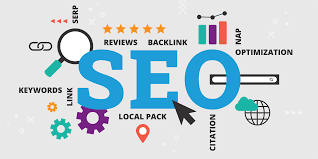
SEO: Search Engine Optimisation Explained
Search engine optimisation (SEO) is the practice of improving a website so that it is easier for search engines to understand and more useful to the people who visit it. Effective SEO can help relevant pages appear more prominently in unpaid search results, making it easier for potential customers, readers or clients to find your business online.
SEO is sometimes written as “SEO search engine optimisation”, but the acronym already stands for search engine optimisation. Whatever wording you use, the goal is the same: to make your website more discoverable and valuable to its intended audience.
How does SEO work?
Search engines such as Google use automated systems to discover pages, understand their content and decide which pages are most likely to answer a search. These systems consider many factors, including the relevance and quality of a page, the experience it offers visitors and the way other reputable websites refer to it.
No one can guarantee a particular ranking. Search algorithms change, competitors improve their websites and search results can vary depending on the query and context. SEO is therefore an ongoing process rather than a one-off task.
The main areas of SEO
Technical SEO
Technical SEO helps search engines access and interpret your website. It can include:
- Making sure important pages can be crawled and indexed
- Improving page loading speed and mobile usability
- Using a clear site structure and descriptive URLs
- Fixing broken links and redirect problems
- Providing an XML sitemap and, where appropriate, structured data
- Securing the website with HTTPS
A technically sound website gives both visitors and search engines a better experience. Technical improvements are most valuable when they address genuine problems rather than being treated as a checklist for its own sake.
On-page SEO
On-page SEO focuses on the content and elements within individual pages. This includes using clear page titles, helpful headings, descriptive image text and content that directly addresses visitors’ questions.
Keyword research can help you understand the words and phrases people use when looking for products, services or information. Use those terms naturally where they fit. Repeating keywords excessively can make content harder to read and is unlikely to help visitors.
Each page should have a clear purpose. For example, a service page should explain what is offered, who it is for and how to take the next step. An informative article should answer its subject thoroughly and point readers towards useful related resources.
Content and user experience
Useful content is at the heart of sustainable SEO. Pages should be accurate, original and written for people, not simply created to attract search traffic. Depending on the subject, strong content may demonstrate first-hand experience, specialist knowledge and trustworthy sources.
It is also important to make content easy to use. Break up long sections with descriptive headings, use plain language, make links clear and ensure the page works well on mobile devices. Visitors should be able to find what they need without unnecessary friction.
Off-page SEO
Off-page SEO covers signals beyond your own website. One commonly discussed example is a backlink: a link from another website to yours. Relevant links from reputable sources can help people discover your content and may contribute to how search engines assess your site.
Good links are generally earned by publishing useful resources, building genuine relationships and creating work that others have a reason to reference. Buying links or taking part in manipulative link schemes can put a website at risk of search engine penalties.
Local SEO
Local SEO helps businesses appear in searches connected with a particular place. It can be especially important for shops, tradespeople, professional services and other businesses that serve customers in specific areas.
Useful steps include keeping your business name, address and telephone number consistent, maintaining an accurate business profile on relevant platforms, gathering genuine customer reviews and creating clear pages for the locations you serve. Avoid creating thin pages that differ only by place name.
How to get started with SEO
- Understand your audience. Identify who you want to reach and what they are trying to find or achieve.
- Research search topics. Look for relevant questions and phrases, then group them by the needs they express.
- Review your website. Check for technical issues, outdated pages, unclear navigation and missing information.
- Create or improve useful content. Make each page clear, accurate and meaningfully different from other pages on your site.
- Make the site easy to use. Ensure it works on mobile, loads reliably and has accessible navigation.
- Measure progress. Use analytics and search performance tools to monitor impressions, clicks, relevant traffic and enquiries.
How long does SEO take?
SEO results are not usually immediate. The time needed depends on factors such as the website’s current condition, the competitiveness of its subject, the quality of the work and how quickly search engines revisit and reassess pages. Some improvements may be noticed sooner than others, but meaningful progress often requires consistent effort over several months.
Rather than judging success by rankings alone, consider whether SEO is bringing the right people to your website and helping them take useful actions. Depending on your organisation, those actions might include making an enquiry, booking an appointment, subscribing to a newsletter or completing a purchase.
Common SEO mistakes to avoid
- Writing for search engines instead of addressing real user needs
- Stuffing pages with repeated keywords
- Publishing large amounts of thin or duplicated content
- Ignoring mobile usability and page performance
- Using misleading titles or descriptions
- Buying links or relying on other manipulative tactics
- Expecting guaranteed rankings or instant results
SEO is an ongoing investment
Search engine optimisation combines useful content, sound website foundations and a positive experience for visitors. The strongest approach is to understand what your audience needs, provide the best answer you can and keep improving your website as those needs and search technology evolve.
SEO cannot guarantee a particular position in search results, but a thoughtful, consistent strategy can make your website easier to find and more helpful to the people it is designed to serve.
9 Key Benefits of Search Engine Optimisation (SEO)
- Increases organic visibility
- Attracts relevant visitors
- Builds brand awareness
- Supports long-term growth
- Improves website usability
- Can reduce reliance on paid ads
- Helps reach local customers
- Builds trust and credibility
- Provides measurable insights
Four Key Drawbacks of Search Engine Optimisation (SEO)
- SEO can take months to show results.
- Rankings can change without warning.
- Competitive keywords can be costly to target.
- There is no guaranteed position in search results.
Increases organic visibility
SEO can increase a website’s organic visibility by helping its pages appear more prominently in unpaid search results. When content is relevant, useful and well optimised, more people searching for related products, services or information can discover the site—without the business paying for every click.
Attracts relevant visitors
SEO attracts relevant visitors by helping your website appear when people search for products, services or information related to what you offer. Because these visitors are already looking for something specific, they’re more likely to engage with your content, make an enquiry or become customers.
Builds brand awareness
SEO can build brand awareness by helping your website appear when people search for topics, products or services related to your business. Even when someone doesn’t click through straight away, seeing your brand in relevant search results can make it more familiar over time. Consistently publishing helpful, trustworthy content can strengthen that recognition and encourage potential customers to consider your business when they’re ready to take action.
Supports long-term growth
SEO supports long-term growth by helping a website build lasting visibility in organic search results. Useful, well-optimised content can continue attracting relevant visitors over time, while improvements to site structure and user experience strengthen the foundations for future growth. Although SEO takes consistent effort and results are not guaranteed, it can become a dependable source of traffic and enquiries rather than relying solely on short-term campaigns.
Improves website usability
SEO can improve website usability by encouraging a clearer structure, faster loading times and a smoother experience across mobile devices. When pages are easy to navigate and information is simple to find, visitors can achieve what they came to do with less effort. These improvements can benefit both users and search engines, helping make your website more useful and accessible.
Can reduce reliance on paid ads
SEO can reduce your reliance on paid advertising by helping your website attract relevant visitors through organic search results. While paid ads can deliver visibility quickly, well-optimised pages may continue to bring in traffic over time without paying for every click. SEO still requires investment in content and website improvements, but it can provide a valuable, longer-term complement to paid campaigns.
Helps reach local customers
SEO can help your business reach local customers by making it easier for people nearby to find your products or services when they search online. Optimising your website and business listings with accurate contact details, relevant local information and location-based search terms can improve your visibility in local results, helping potential customers discover you when they’re ready to take action.
Builds trust and credibility
Effective SEO can help build trust and credibility by making your website easier to find and ensuring it offers clear, useful and reliable information. Strong search visibility, well-organised pages, secure browsing and positive reviews can all reassure potential customers that your business is reputable. While SEO cannot guarantee trust on its own, consistently providing a helpful experience can strengthen your reputation and encourage people to choose your brand.
Provides measurable insights
SEO provides measurable insights into how people find and use your website. Tools such as Google Search Console and web analytics platforms can show which search queries bring visitors to your pages, how often your site appears in results, and whether people go on to make an enquiry or purchase. These insights help you spot what is working, identify opportunities and make informed improvements to your SEO strategy over time.
SEO can take months to show results.
One of the drawbacks of SEO is that it can take months to show noticeable results. Search engines need time to discover and assess website changes, while competitive keywords may require sustained improvements to content, site performance and authority. This means SEO may not be the best choice for businesses seeking immediate traffic or leads, and it can be difficult to judge early progress. Regularly tracking relevant measures, such as search impressions, qualified visits and enquiries, can help show whether the strategy is moving in the right direction.
Rankings can change without warning.
Search engine rankings can change without warning, even when a website has not been altered. Search engines regularly update their algorithms, while competitors may improve their content and changes in search behaviour can affect results. This unpredictability makes it difficult to rely on a particular position for steady traffic, so businesses should monitor performance and build a broader strategy that includes other ways of reaching customers.
Competitive keywords can be costly to target.
Targeting competitive keywords can be costly, as it often takes considerable time and resources to create high-quality content, improve your website and earn authoritative links. Established competitors may already have strong rankings, so progress can be slow and may require ongoing investment in specialist expertise and tools. For smaller businesses, focusing on more specific, less competitive search terms can be a more affordable way to attract relevant visitors.
There is no guaranteed position in search results.
One drawback of SEO is that there is no guaranteed position in search results. Search engines regularly update their algorithms, and rankings can also be affected by competitors, user behaviour and changes to the search results page. Even with careful planning and ongoing work, a website may not reach or maintain the position it hopes for, so SEO should be treated as a long-term strategy rather than a promise of specific results.
Leave a Reply