
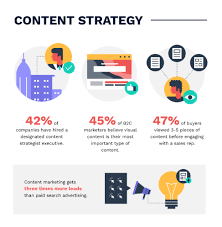
The Power of Search Content Marketing
Search content marketing is a strategic approach that focuses on creating and distributing valuable, relevant, and consistent content to attract and engage a target audience. By integrating search engine optimisation (SEO) techniques with content marketing strategies, businesses can improve their online visibility and drive organic traffic to their websites.
Key Benefits of Search Content Marketing:
- Increased Visibility: By creating high-quality, SEO-optimised content, businesses can improve their search engine rankings and appear higher in search results, making it easier for potential customers to find them online.
- Targeted Audience Engagement: Through targeted keyword research and content creation, businesses can tailor their messaging to specific audience segments, increasing engagement and building brand loyalty.
- Lead Generation: Compelling content that addresses the needs and interests of potential customers can attract qualified leads to the website, ultimately leading to increased conversions and sales.
- Establishing Authority: Consistently producing valuable content on relevant topics helps businesses establish themselves as industry experts and thought leaders in their field.
- Long-Term Results: Unlike traditional advertising methods, search content marketing has long-term benefits as quality content continues to drive organic traffic over time without additional costs.
Tips for Effective Search Content Marketing:
- Keyword Research: Conduct thorough keyword research to identify relevant terms and phrases that your target audience is searching for. Use these keywords strategically in your content to improve visibility.
- Create High-Quality Content: Focus on creating valuable, informative, and engaging content that resonates with your audience. This could include blog posts, articles, infographics, videos, or other formats that suit your target market.
- Optimise for SEO: Ensure that your content is optimised for search engines by including relevant keywords, meta tags, headers, and internal links. This will help search engines understand the context of your content and rank it accordingly.
- Promote Your Content: Share your content across various channels such as social media platforms, email newsletters, industry forums, and guest blogging opportunities to reach a wider audience and drive traffic back to your website.
- Analyse and Iterate: Monitor the performance of your content using analytics tools to track key metrics such as traffic sources, engagement rates, conversions, and ROI. Use this data to refine your strategy and create more effective content in the future.
In conclusion, search content marketing is a powerful tool for businesses looking to enhance their online presence, attract qualified leads, and build lasting relationships with their target audience. By combining SEO best practices with compelling storytelling and valuable information, businesses can achieve sustainable growth in today’s competitive digital landscape.
Six Essential Tips for Effective Search Content Marketing
- Understand your target audience to create relevant content
- Use keywords strategically to improve search engine visibility
- Create high-quality, engaging content that provides value to users
- Optimize meta titles and descriptions for better click-through rates
- Promote your content through social media and other channels
- Regularly analyse data and adjust your strategy based on performance
Understand your target audience to create relevant content
Understanding your target audience is a crucial aspect of effective search content marketing. By gaining insights into the demographics, interests, preferences, and behaviours of your audience, you can create content that resonates with them on a deeper level. Tailoring your messaging to address their specific needs and challenges not only increases engagement but also establishes trust and credibility. When you deliver relevant and valuable content that speaks directly to your audience, you are more likely to drive organic traffic, generate leads, and ultimately achieve your marketing goals.
Use keywords strategically to improve search engine visibility
Using keywords strategically is a crucial aspect of search content marketing that can significantly enhance a website’s search engine visibility. By conducting thorough keyword research and incorporating relevant terms and phrases into the content in a natural and meaningful way, businesses can increase their chances of ranking higher in search engine results pages. Strategic keyword usage helps search engines understand the context and relevance of the content, making it more likely to be displayed to users searching for related topics. This targeted approach not only improves visibility but also attracts qualified traffic to the website, ultimately leading to higher engagement and potential conversions.
Create high-quality, engaging content that provides value to users
Creating high-quality, engaging content that provides value to users is essential in the realm of search content marketing. By focusing on producing content that is informative, relevant, and captivating, businesses can establish credibility, build trust with their audience, and ultimately drive organic traffic to their website. Valuable content not only attracts users but also encourages them to stay engaged, share the content with others, and take desired actions such as making a purchase or signing up for a service. In a digital landscape where attention is scarce and competition is fierce, prioritising quality over quantity in content creation can set businesses apart and contribute to long-term success.
Optimize meta titles and descriptions for better click-through rates
Optimising meta titles and descriptions is a crucial aspect of search content marketing strategy. By crafting compelling and relevant meta titles and descriptions that accurately reflect the content of a webpage, businesses can significantly improve their click-through rates in search engine results pages. A well-crafted meta title and description not only entices users to click on the link but also helps search engines understand the context of the page, ultimately leading to higher visibility and more qualified traffic to the website.
Promote your content through social media and other channels
Promoting your content through social media and other channels is essential in maximising its reach and engagement. By sharing your content on platforms like Facebook, Twitter, LinkedIn, and Instagram, you can connect with a wider audience and drive traffic back to your website. Additionally, leveraging email newsletters, industry forums, and guest blogging opportunities can further amplify your content’s visibility and attract potential customers. Engaging with users on social media by responding to comments, sharing insights, and encouraging discussions can also help build relationships and establish credibility within your industry. By diversifying your promotional efforts across various channels, you can increase brand awareness and ultimately drive conversions for your business.
Regularly analyse data and adjust your strategy based on performance
Regularly analysing data and adjusting your strategy based on performance is a crucial aspect of successful search content marketing. By monitoring key metrics such as website traffic, engagement rates, conversion rates, and ROI, businesses can gain valuable insights into the effectiveness of their content marketing efforts. This data-driven approach allows businesses to identify what is working well and what needs improvement, enabling them to refine their strategies for better results. Adapting to changing trends and consumer behaviour ensures that businesses stay competitive in the ever-evolving digital landscape.
Leave a Reply