
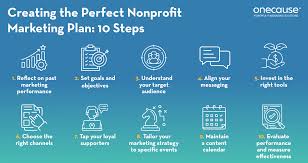
The Power of Digital Marketing for Nonprofits
Nonprofit organisations play a crucial role in addressing social issues and making a positive impact on communities. In today’s digital age, leveraging digital marketing strategies can significantly enhance the reach and effectiveness of nonprofit campaigns. By utilising online platforms and tools, nonprofits can amplify their message, engage with supporters, and drive meaningful change.
Building Awareness and Visibility
One of the key benefits of digital marketing for nonprofits is the ability to raise awareness about their cause on a global scale. Through social media channels, email campaigns, and search engine optimisation (SEO), nonprofits can reach a wider audience than ever before. By creating compelling content that resonates with their target audience, nonprofits can increase visibility and attract new supporters.
Engaging Supporters and Donors
Digital marketing allows nonprofits to engage with their supporters in meaningful ways. Social media platforms provide a direct line of communication with followers, allowing nonprofits to share updates, stories, and calls to action in real-time. Email marketing campaigns can nurture relationships with donors by providing regular updates on the impact of their contributions. By fostering a sense of community online, nonprofits can build long-lasting relationships with their supporters.
Driving Donations and Fundraising
Online fundraising has become increasingly popular among nonprofits due to its convenience and accessibility. Through targeted digital marketing campaigns, nonprofits can drive donations by showcasing their impact, sharing success stories, and creating compelling donation appeals. Platforms like crowdfunding websites and online donation portals make it easy for supporters to contribute to causes they care about with just a few clicks.
Measuring Impact and ROI
One of the advantages of digital marketing is the ability to track and measure the impact of campaigns in real-time. Nonprofits can use analytics tools to monitor website traffic, social media engagement, email open rates, and conversion rates. By analysing these metrics, nonprofits can evaluate the effectiveness of their digital marketing efforts and make data-driven decisions to optimise future campaigns.
Conclusion
Digital marketing offers a wealth of opportunities for nonprofits to amplify their message, engage with supporters, and drive positive change in the world. By harnessing the power of online platforms and tools, nonprofits can expand their reach, increase donations, and make a lasting impact on society. Embracing digital marketing strategies is essential for nonprofits looking to thrive in an increasingly connected world.
Essential FAQs on Digital Marketing Strategies for Nonprofits
- What is digital marketing for nonprofits?
- What are the 5 P’s of nonprofit marketing?
- Which social media platform is best for nonprofits?
- How to do digital marketing for NGO?
- How do nonprofit organizations use marketing?
- How to leverage digital marketing for nonprofit fundraising?
What is digital marketing for nonprofits?
Digital marketing for nonprofits refers to the strategic use of online platforms and tools to promote the mission, raise awareness, engage supporters, and drive donations for nonprofit organisations. It encompasses a range of digital channels such as social media, email marketing, search engine optimisation (SEO), content creation, and online advertising to reach a wider audience and achieve impactful results. By leveraging digital marketing strategies effectively, nonprofits can amplify their message, connect with their community, and make a meaningful difference in the causes they support.
What are the 5 P’s of nonprofit marketing?
The 5 P’s of nonprofit marketing refer to the key elements that shape a successful marketing strategy for nonprofit organisations. These include Product (the services or programs offered by the nonprofit), Price (the perceived value of these services to beneficiaries or donors), Place (the distribution channels used to reach target audiences), Promotion (the tactics employed to raise awareness and engage supporters), and People (the stakeholders involved in implementing and benefiting from the nonprofit’s initiatives). By carefully considering each of these P’s, nonprofits can develop a comprehensive marketing plan that effectively communicates their mission, drives engagement, and fosters sustainable growth.
Which social media platform is best for nonprofits?
When considering the best social media platform for nonprofits, it is important to assess the specific goals and target audience of the organisation. While each platform offers unique advantages, Facebook is often considered a top choice for nonprofits due to its widespread popularity and robust advertising features. With its large user base and diverse demographic reach, Facebook provides nonprofits with a powerful tool to engage with supporters, share compelling content, and drive fundraising efforts. However, platforms like Instagram and Twitter can also be valuable for nonprofits looking to connect with younger audiences or leverage visual storytelling. Ultimately, the best social media platform for a nonprofit will depend on its objectives, resources, and the preferences of its target audience.
How to do digital marketing for NGO?
When it comes to digital marketing for NGOs, it is essential to start by defining clear goals and target audiences. NGOs can leverage various digital channels such as social media, email campaigns, search engine optimisation (SEO), and online advertising to reach their objectives. Creating engaging and impactful content that resonates with supporters is key to building a strong online presence. By utilising analytics tools to track performance metrics, NGOs can evaluate the effectiveness of their digital marketing efforts and make informed decisions to optimise their strategies for maximum impact and engagement with their audience.
How do nonprofit organizations use marketing?
Nonprofit organisations utilise marketing strategies to raise awareness about their cause, engage with supporters, and drive donations to further their mission. Through digital marketing channels such as social media, email campaigns, and online fundraising platforms, nonprofits can reach a wider audience and communicate their impact effectively. By crafting compelling messages, storytelling their successes, and showcasing the importance of their work, nonprofit organisations can build strong relationships with donors and supporters. Marketing also helps nonprofits measure the effectiveness of their campaigns, track engagement metrics, and make data-driven decisions to optimise future outreach efforts.
How to leverage digital marketing for nonprofit fundraising?
To leverage digital marketing for nonprofit fundraising, organisations can implement a multi-faceted approach that combines various online strategies to maximise impact. By creating compelling storytelling content that highlights the mission and impact of the nonprofit, engaging with supporters through social media platforms, and utilising targeted email campaigns to nurture donor relationships, nonprofits can effectively drive fundraising efforts online. Additionally, leveraging digital advertising tools such as Google Ad Grants and Facebook Ads can help reach a wider audience and attract potential donors. By continuously monitoring and analysing campaign performance metrics, nonprofits can refine their digital marketing strategies to optimise fundraising outcomes and achieve their financial goals to support their cause.
Leave a Reply