
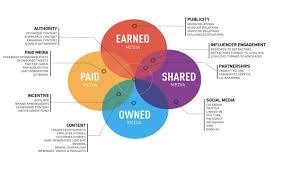
The Basics of Digital Marketing
Digital marketing has become an essential component of any successful business strategy in today’s digital age. From small start-ups to large corporations, understanding the fundamentals of digital marketing is crucial for reaching and engaging with your target audience effectively.
What is Digital Marketing?
Digital marketing encompasses all online activities aimed at promoting and selling products or services. This includes various tactics such as search engine optimisation (SEO), social media marketing, email marketing, content marketing, and pay-per-click advertising.
Key Components of Digital Marketing
- SEO: Optimising your website to rank higher in search engine results pages (SERPs) for relevant keywords.
- Social Media Marketing: Leveraging social media platforms to build brand awareness and engage with your audience.
- Email Marketing: Sending targeted emails to nurture leads and convert them into customers.
- Content Marketing: Creating valuable and relevant content to attract and retain a clearly defined audience.
- PPC Advertising: Paying for ads to appear on search engines or social media platforms based on specific keywords or demographics.
The Benefits of Digital Marketing
Digital marketing offers numerous advantages, including increased brand visibility, targeted audience reach, measurable results, cost-effectiveness, and real-time data analysis. By leveraging the power of digital channels, businesses can connect with their customers in a more personalised and meaningful way.
Tips for Success in Digital Marketing
- Understand your target audience and tailor your strategies to meet their needs.
- Consistently monitor and analyse the performance of your digital campaigns to make data-driven decisions.
- Create high-quality content that provides value to your audience and encourages engagement.
- Stay up-to-date with the latest trends and technologies in digital marketing to remain competitive in the market.
- Experiment with different channels and tactics to find what works best for your business goals.
In conclusion, mastering the basics of digital marketing is essential for any business looking to thrive in today’s competitive landscape. By implementing effective strategies across various digital channels, businesses can enhance their online presence, engage with customers on a deeper level, and ultimately drive growth and success.
Essential FAQs: Understanding the Fundamentals of Digital Marketing
- What is the basics of digital marketing?
- What are the 4 P’s of digital marketing?
- What are basics of digital marketing?
- What are the 5 D’s of digital marketing?
- What are the 5 C’s of digital marketing?
- What is the 3-3-3 rule in marketing?
- What is the 3 3 3 rule in marketing?
What is the basics of digital marketing?
Understanding the basics of digital marketing is essential for any business aiming to succeed in the online realm. At its core, digital marketing involves leveraging various online channels and tactics to promote products or services, engage with target audiences, and drive conversions. Key components of digital marketing include search engine optimisation (SEO) to improve website visibility, social media marketing to connect with customers, email marketing for targeted communication, content marketing for valuable engagement, and pay-per-click advertising for targeted promotion. By mastering these fundamental strategies and embracing the dynamic nature of digital marketing, businesses can effectively navigate the digital landscape and achieve their marketing goals.
What are the 4 P’s of digital marketing?
In digital marketing, the concept of the 4 P’s refers to Product, Price, Place, and Promotion. These fundamental elements form the core framework for developing a successful digital marketing strategy. Product focuses on understanding and offering a valuable solution to meet customer needs. Price involves determining the right pricing strategy to position the product competitively in the market. Place refers to selecting the most effective channels to reach and engage with the target audience. Promotion entails creating compelling messages and campaigns to promote the product effectively and drive conversions. By incorporating these 4 P’s into digital marketing efforts, businesses can create a well-rounded approach that maximises their online presence and boosts customer engagement.
What are basics of digital marketing?
Understanding the basics of digital marketing is essential for businesses seeking to establish a strong online presence and connect with their target audience effectively. The fundamentals of digital marketing include various strategies such as search engine optimisation (SEO), social media marketing, email marketing, content creation, and pay-per-click advertising. By mastering these core components, businesses can improve their visibility, engage with customers across multiple channels, drive traffic to their website, and ultimately achieve their marketing goals in the digital realm.
What are the 5 D’s of digital marketing?
In the realm of digital marketing, the concept of the 5 D’s serves as a foundational framework for understanding and implementing effective strategies. The 5 D’s of digital marketing refer to Digital Devices, Digital Platforms, Digital Media, Digital Data, and Digital Technology. These elements encapsulate the key components that businesses must consider when crafting their digital marketing initiatives. By leveraging these 5 D’s effectively, businesses can optimise their online presence, engage with their target audience across various channels, and drive meaningful results in today’s digital landscape.
What are the 5 C’s of digital marketing?
In digital marketing, the concept of the 5 C’s serves as a fundamental framework for understanding and implementing effective strategies. The 5 C’s of digital marketing include Customer, Content, Context, Connection, and Conversion. Customer focuses on understanding the target audience and their needs. Content emphasises creating valuable and engaging material to attract and retain customers. Context involves delivering the right message at the right time and place. Connection refers to building relationships with customers through various channels. Conversion aims to turn leads into loyal customers through targeted actions. By incorporating these 5 C’s into digital marketing efforts, businesses can enhance their online presence and drive meaningful engagement with their audience.
What is the 3-3-3 rule in marketing?
The 3-3-3 rule in marketing refers to a strategy that involves creating concise and engaging content for digital platforms. The rule suggests that marketers should aim to deliver their message in just three seconds, provide key information within the first three lines of text or visuals, and capture the audience’s attention within the first three words or images. By adhering to the 3-3-3 rule, marketers can effectively communicate their brand message, attract viewers’ interest quickly, and increase the likelihood of audience engagement and conversion in today’s fast-paced digital landscape.
What is the 3 3 3 rule in marketing?
The 3 3 3 rule in marketing is a simple yet effective strategy that focuses on consistency, frequency, and variety in content delivery. The rule suggests posting three times a week across three different platforms with three unique types of content. By following this rule, businesses can maintain a regular presence online, engage with their audience consistently, and provide diverse content to keep followers interested and informed. This approach helps build brand awareness, drive traffic, and foster relationships with customers through strategic and well-rounded marketing efforts.
Leave a Reply