
Digital Marketing in 2019: The Trends That Shaped the Year
Digital marketing in 2019 was shaped by changing customer expectations, new technologies and a growing demand for more relevant, trustworthy communication. Businesses were no longer competing simply to appear online; they needed to reach the right people with useful content, at the right moment and on the right platform.
From mobile-first experiences to the rise of short-form video, the year reinforced an important principle: successful marketing starts with understanding how people actually use digital services.
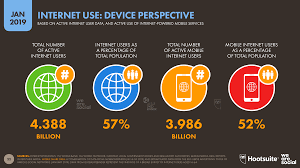
Mobile-first became essential
Mobile devices continued to influence how people searched, browsed and bought. Google’s mobile-first indexing meant that the mobile version of a website was increasingly important for how pages were indexed and ranked. A site that looked polished on a desktop but was slow or difficult to use on a phone risked losing both visitors and visibility.
For marketers, this made responsive design, fast-loading pages and simple navigation priorities rather than optional extras. Mobile-friendly forms and clear calls to action also helped reduce friction for people ready to enquire or make a purchase.
Video took centre stage
Video remained one of the most prominent formats in digital marketing. Brands used it to explain products, tell stories, share tutorials and introduce the people behind their businesses. Shorter videos were especially suited to social feeds, where audiences often made quick decisions about what to watch.
Live video also offered companies a way to communicate in a more immediate and informal style. However, video did not need a large production budget to be effective. Useful information, clear sound and an authentic presentation often mattered more than elaborate effects.
Influencer marketing faced a reality check
Influencer partnerships continued to grow in 2019, but marketers became more focused on relevance and credibility than on follower numbers alone. A smaller creator with a highly engaged, well-matched audience could be more valuable than a celebrity whose followers had little connection to the product.
Transparency was also important. Audiences expected paid partnerships to be clearly identified, while brands needed to choose collaborators whose values and content suited their own. The strongest campaigns felt credible because the partnership made sense to the audience.
Personalisation and automation grew
Marketing automation helped businesses manage repetitive tasks, such as sending welcome emails, following up after a purchase or organising leads. Used thoughtfully, these tools made communication more timely and relevant.
Personalisation also became more common, from product recommendations to emails based on customer preferences. Yet personalisation depended on responsible data use. A message could feel helpful when it reflected a genuine interest, but intrusive when a company appeared to know too much or failed to explain how information was collected.
Privacy and trust mattered more
With the General Data Protection Regulation (GDPR) in force across the European Union since 2018, organisations continued to adapt their approaches to collecting and using personal data. In 2019, privacy was not just a legal consideration; it was part of the relationship between a business and its customers.
Clear consent, accessible privacy information and careful handling of data helped build trust. Businesses also had to consider the wider direction of privacy regulation, including the California Consumer Privacy Act, which was due to take effect in 2020.
Search was changing
Search engine optimisation remained central to digital marketing, but the focus was increasingly on satisfying the person behind the query. Quality content, sound technical foundations and a positive user experience all supported stronger search performance.
Voice-enabled devices and digital assistants encouraged marketers to consider more conversational searches. People might ask a complete question rather than type a few keywords, making clear, well-structured answers more useful. At the same time, businesses needed to keep local listings accurate, particularly if they relied on nearby customers.
Social media required a clearer purpose
Social platforms remained important for brand awareness, customer service and community-building. But simply maintaining a presence on every platform was not a strategy. Businesses needed to choose channels based on where their audiences spent time and what they wanted to achieve.
Organic reach could be unpredictable, so many brands combined useful, engaging posts with paid social campaigns. The best results came from understanding each platform’s format and audience rather than publishing identical content everywhere.
What businesses could learn from 2019
The digital marketing lessons of 2019 remain relevant: make the mobile experience easy, create content that serves a clear purpose, choose partners carefully and treat customer data responsibly. Technology can help businesses work more efficiently, but it cannot replace a sound understanding of the people they want to reach.
Ultimately, digital marketing in 2019 was about balancing innovation with trust. The companies best placed to succeed were those that adapted to new tools while keeping their communication useful, honest and centred on the customer.
Top 7 Digital Marketing Tips for 2019: Boost Engagement and Drive Results
- Optimise your website for mobile-first indexing.
- Create useful content that answers searchers’ questions.
- Use Instagram Stories to engage your audience.
- Personalise email campaigns with relevant recommendations.
- Test voice-search-friendly phrases in your SEO strategy.
- Use video to explain products and share customer stories.
- Track conversions, not just clicks, across your campaigns.
Optimise your website for mobile-first indexing.
In 2019, optimising your website for mobile-first indexing was essential, as Google increasingly used the mobile version of a site to assess its content and rankings. Make sure your site works smoothly on smartphones, loads quickly and is easy to navigate, with text, images and key information readily available on smaller screens. A strong mobile experience can help visitors find what they need and support your visibility in search results.
Create useful content that answers searchers’ questions.
Create useful content that answers searchers’ questions by focusing on what your audience genuinely wants to know. In 2019, search engines increasingly rewarded pages that offered clear, relevant and trustworthy information, rather than content written simply to include keywords. Research common questions in your field, then answer them in straightforward language with practical detail. This approach can improve the experience for visitors, build trust in your business and help your pages appear for relevant searches.
Use Instagram Stories to engage your audience.
In 2019, Instagram Stories offered businesses a simple, immediate way to engage their audience between regular posts. Use short videos and eye-catching images to share product updates, behind-the-scenes moments and useful tips, keeping the content natural and easy to follow. Interactive features such as polls, questions and quizzes can encourage people to take part, while links and clear prompts can guide them towards your website or latest offer. Posting consistently—and paying attention to which Stories attract the most views and replies—helps you understand what your audience enjoys.
Personalise email campaigns with relevant recommendations.
In 2019, personalising email campaigns with relevant recommendations helped businesses make their messages more useful and engaging. By using customers’ interests, browsing behaviour or previous purchases, marketers could suggest products and content suited to each recipient, rather than sending the same generic email to everyone. Recommendations should feel helpful, not intrusive, so businesses needed to use customer data responsibly and make it easy for people to manage their preferences.
Test voice-search-friendly phrases in your SEO strategy.
In 2019, as voice assistants became more common, businesses could make their SEO strategy more voice-search-friendly by testing natural, conversational phrases. People often speak in full questions, such as “Where can I find a good Italian restaurant near me?”, rather than typing short keywords. Try incorporating relevant questions and clear, concise answers into your website content, while keeping the language natural and useful for readers.
Use video to explain products and share customer stories.
In 2019, video offered businesses an engaging way to explain how their products worked and show the value they could bring to customers. Demonstrations, short how-to clips and customer stories could make complex information easier to understand while adding a human touch to a brand. Keep videos clear, concise and tailored to the platform, and make sure customer stories are authentic and shared with permission.
Track conversions, not just clicks, across your campaigns.
In 2019, measuring clicks alone was not enough to understand whether a digital marketing campaign was successful. Track conversions across each channel—such as purchases, enquiries, sign-ups or downloads—to see which campaigns are delivering meaningful results. Connecting conversion data to your advertising, website and analytics tools can help you compare performance, improve your targeting and focus your budget on activity that supports your business goals.
Leave a Reply