
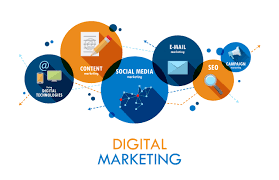
Digital Marketing Strategy in 2021: A Practical Guide
In 2021, businesses were adapting to rapid changes in customer behaviour, increased online competition and the continuing effects of the COVID-19 pandemic. A clear digital marketing strategy helped organisations decide where to focus their resources, how to reach the right audiences and how to measure progress.
Rather than relying on a single channel or a collection of disconnected campaigns, an effective strategy connected business objectives with customer needs across the digital journey.
Start with clear objectives
Before choosing platforms or planning content, define what the business needs to achieve. Objectives might include increasing brand awareness, generating qualified leads, growing online sales or encouraging repeat purchases. Each objective should be specific enough to guide activity and assess results.
For example, a business seeking more enquiries could set targets for relevant website visits, completed contact forms and the cost of acquiring each lead. Clear objectives make it easier to prioritise work and distinguish meaningful outcomes from attention-grabbing but less useful numbers.
Understand the audience
A strong strategy begins with a practical understanding of customers: what they need, what influences their decisions and where they look for information. Businesses can draw on customer interviews, sales and support conversations, website analytics and existing customer data.
Audience research should inform customer segments and personas, but these should be treated as working tools rather than fixed descriptions. Customer expectations can change, so assumptions need to be checked against real behaviour.
Make the website work harder
A company website is often central to digital marketing. It should explain what the business offers, make the next step clear and work well on mobile devices. In 2021, user experience and page performance were important considerations for both visitors and search visibility.
Review key pages for clear messaging, accessible design, straightforward navigation and useful calls to action. Check that forms are easy to complete and that important information is not hidden behind unnecessary steps. Regular testing can reveal where visitors lose interest or encounter problems.
Use content to answer real questions
Content marketing can help a business build trust and support customers at different stages of their decision-making. Useful content might include guides, articles, videos, case studies, email resources or product demonstrations.
Plan content around the questions customers ask, not just the products a business wants to promote. A considered editorial calendar can help teams publish consistently, reuse material across channels and connect each piece of content to a defined objective.
Combine search, social media and paid advertising
Search engine optimisation (SEO) can help people find relevant pages when they are actively looking for information, products or services. In 2021, useful, well-structured content and a technically sound website remained important parts of a sustainable search strategy.
Social media can support discovery, conversation and community-building. The best platform choices depend on the audience and the nature of the business; maintaining a presence everywhere is rarely necessary. Paid advertising, including search and social campaigns, can extend reach and test messages, but it should be managed against clear performance targets.
These channels work best when they reinforce one another. For instance, customer questions gathered through social media can inform website content, while paid campaigns can promote a guide that attracts relevant prospects.
Build relationships through email
Email remained a valuable way to communicate directly with customers and prospects in 2021. Newsletters, service updates and carefully planned automated messages can provide relevant information and encourage repeat engagement.
Effective email marketing depends on permission, relevance and clear expectations. Businesses should use accurate sign-up wording, make it easy to unsubscribe and avoid sending messages simply for the sake of frequency. Personalisation should improve usefulness rather than feel intrusive.
Measure what matters
Measurement connects marketing activity to business results. Choose a small set of key performance indicators (KPIs) that reflect the objectives, such as qualified enquiries, conversion rate, cost per acquisition, revenue or customer retention.
Use analytics to understand what is happening, then investigate why. A rise in website traffic may be encouraging, but it matters more if those visitors are relevant and take useful actions. Reviewing performance regularly allows teams to adjust budgets, improve underperforming pages and invest in the approaches that are delivering value.
Respect privacy and accessibility
Trust is essential to effective digital marketing. In 2021, businesses needed to pay close attention to data protection, consent and the way customer information was collected and used. Privacy notices and consent processes should be clear, and data should be handled responsibly.
Accessibility also deserves attention. Clear language, descriptive links, captions, appropriate colour contrast and pages that work with assistive technologies can make digital experiences easier for more people to use.
Keep the strategy flexible
Digital marketing plans should provide direction without becoming rigid. Changes in customer behaviour, platform features and market conditions can make some tactics less effective than expected. Regular reviews help businesses respond while keeping their wider objectives in view.
Conclusion
A successful digital marketing strategy in 2021 was built on clear objectives, a genuine understanding of the audience and a connected approach to websites, content, search, social media, paid campaigns and email. By measuring meaningful outcomes, respecting customer privacy and improving the experience over time, businesses could make their digital activity more focused and resilient.
Eight Essential Tips for Crafting an Effective Digital Marketing Strategy in 2021
- Set clear, measurable marketing goals.
- Prioritise mobile-friendly experiences.
- Create useful, audience-focused content.
- Use first-party data responsibly.
- Invest in search engine optimisation.
- Choose social platforms your audience uses.
- Test campaigns and refine them regularly.
- Track results against your goals.
Set clear, measurable marketing goals.
Set clear, measurable marketing goals so every activity has a purpose and its impact can be assessed. In 2021, this might mean aiming to increase qualified website enquiries by a specific percentage, grow online sales within a set period or reduce the cost of acquiring new customers. Choose relevant measures, establish a baseline and review progress regularly. This helps you identify what is working, adjust campaigns that are falling short and focus your budget on the outcomes that matter most to your business.
Prioritise mobile-friendly experiences.
Prioritise mobile-friendly experiences by making sure your website, emails and digital content are easy to use on a smartphone or tablet. In 2021, many people browsed, researched and shopped on mobile devices, so pages needed to load quickly, display clearly on smaller screens and offer simple navigation. Use readable text, touch-friendly buttons and short, straightforward forms, then test the experience across different devices. A smooth mobile journey can help visitors find what they need and take the next step.
Create useful, audience-focused content.
Create useful, audience-focused content by understanding the questions, needs and challenges of your customers, then providing clear, trustworthy answers. In 2021, content such as practical guides, videos, case studies and helpful social media posts could build confidence and support people at every stage of their decision-making. Focus on value rather than constant promotion, and use audience feedback and performance data to refine what you publish.
Use first-party data responsibly.
Use first-party data responsibly by collecting information directly from customers only when it is relevant and with clear consent. Explain what the data will be used for, store it securely and give people straightforward ways to manage their preferences or unsubscribe. Used transparently, first-party data can help you understand customer needs and deliver more relevant marketing, while building the trust that long-term relationships depend on.
Invest in search engine optimisation.
Investing in search engine optimisation (SEO) was an important part of a digital marketing strategy in 2021. By improving website content, page structure and technical performance, businesses could make it easier for search engines and potential customers to find them. Focus on creating useful, relevant content that answers your audience’s questions, using clear page titles and headings, and ensuring the site works well on mobile devices. SEO takes time, so monitor organic traffic and meaningful conversions regularly, and refine your approach as customer needs and search trends change.
Choose social platforms your audience uses.
Choose social platforms your audience uses rather than trying to maintain a presence everywhere. Research where your customers spend time, what they use each platform for and how they prefer to engage with businesses. Then focus on the channels that best suit your audience and objectives, creating useful, platform-appropriate content and reviewing results regularly. A more focused approach can help you use your time and budget effectively while building stronger connections with potential customers.
Test campaigns and refine them regularly.
Test campaigns on a small scale before committing a larger budget, and use the results to guide your next steps. Experiment with different messages, creative assets, audiences and channels, then compare performance against clear objectives such as qualified leads or sales. Review results regularly, keep what works and adjust or pause what does not. This ongoing process of testing and refinement helps make your digital marketing strategy more effective as customer behaviour and market conditions change.
Track results against your goals.
Track results against your goals to see whether your digital marketing is making a meaningful difference. Choose a few relevant measures—such as qualified leads, online sales, website conversions or customer retention—and review them regularly. Looking beyond surface-level figures, such as likes or page views, helps you understand what is working, spot areas for improvement and adjust your strategy accordingly.
Leave a Reply