
Digital Marketing in 2021: The Trends That Shaped the Year
Digital marketing in 2021 was shaped by rapid changes in how people lived, worked and shopped. As businesses continued to adapt to the effects of the COVID-19 pandemic, online channels became more important for reaching customers, building relationships and generating sales. At the same time, changing privacy expectations and evolving technology pushed marketers to rethink how they gathered data and measured results.
Customers expected more relevant experiences
Audiences had grown accustomed to convenient, personalised online services. In response, many businesses focused on making their digital experiences more useful and relevant, from tailored email campaigns to product recommendations and location-aware offers. Successful personalisation relied on understanding customer needs without making people feel that their privacy had been overlooked.
Clear communication also mattered. Customers wanted accurate information about product availability, delivery times and changes to business services. Brands that provided timely updates and straightforward support were better placed to build trust.
E-commerce continued to expand
Online shopping remained central to many customers’ routines in 2021. Businesses that had previously relied on physical premises increasingly invested in e-commerce websites, online booking systems and digital payment options. Established retailers also worked to connect their online and in-store experiences, allowing customers to browse, buy, collect or return products in different ways.
For marketers, this meant paying close attention to the whole customer journey. A well-designed advert could attract attention, but a slow website, confusing checkout or unclear delivery information could still prevent a sale. Improving the experience after the click became just as important as driving traffic.
Video and social media played a major role
Short-form video, livestreams and creator content were prominent parts of the digital landscape. These formats gave brands ways to demonstrate products, share expertise and communicate in a more informal style. They also allowed businesses to reach audiences who might not respond to traditional advertising.
However, simply posting frequently was not enough. Effective social media marketing depended on choosing platforms that suited the audience, producing content with a clear purpose and responding to comments and messages. Partnerships with creators also worked best when they felt credible and aligned with the brand.
Search remained a long-term investment
Search engine optimisation (SEO) continued to help businesses attract people actively looking for information, products or services. In 2021, strong SEO involved more than using popular keywords. Marketers also needed to publish helpful, well-structured content and provide a positive experience on mobile devices.
Local search was particularly useful for businesses serving specific areas. Keeping business details accurate across websites and directories helped potential customers find essential information, such as opening hours, contact details and available services.
Privacy changed the way campaigns were measured
Privacy developments and changes to tracking technologies made it harder for marketers to rely on some familiar methods of measuring online activity. Businesses began paying greater attention to consent, data protection and the information they collected directly from customers.
First-party data—information gathered through a company’s own website, subscriptions or customer relationships—became increasingly valuable. Marketers also had to consider how to assess performance when user journeys crossed multiple devices and platforms, or when fewer tracking signals were available. Clear goals and consistent reporting helped teams focus on meaningful outcomes rather than isolated figures.
Automation supported more efficient marketing
Marketing automation tools helped businesses manage repetitive tasks, including email sequences, lead follow-ups and campaign reporting. When used thoughtfully, automation allowed teams to communicate at the right time while freeing up capacity for planning and creative work.
Automation was most effective when supported by good-quality data and relevant content. A poorly targeted automated message could feel impersonal, so marketers still needed to review their campaigns and consider how communications would be received by customers.
What businesses learnt from 2021
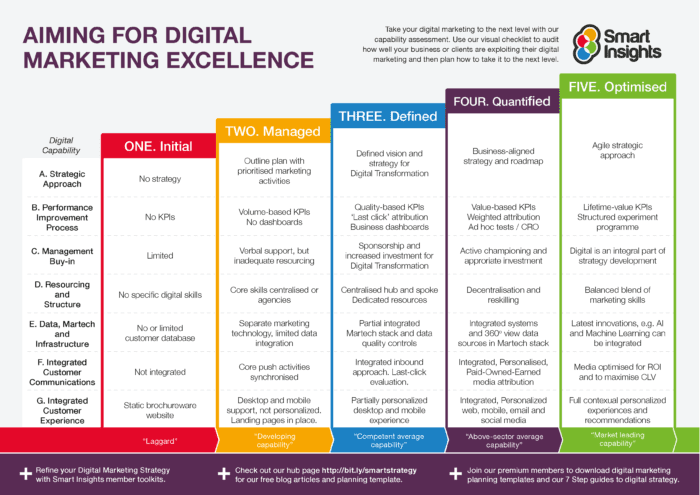
The year highlighted the importance of having a flexible digital strategy. Businesses needed to be prepared to adjust their plans as customer behaviour, technology and operating conditions changed. A balanced approach—combining useful content, a strong website, social media, paid advertising, email and search—could reduce dependence on any single channel.
Digital marketing in 2021 was not simply about adopting the newest platform or tool. The strongest strategies focused on understanding customers, making online experiences easier and measuring progress against clear business objectives. Those principles remained valuable beyond the year itself.
Key Insights into Digital Marketing in 2021: Trends, Challenges, and Strategies
- What were the biggest digital marketing trends in 2021?
- How did the COVID-19 pandemic affect digital marketing in 2021?
- Which digital marketing channels were most effective in 2021?
- How important was search engine optimisation (SEO) in 2021?
- What role did social media and video play in digital marketing in 2021?
- How did privacy changes affect digital marketing in 2021?
- How could small businesses create an effective digital marketing strategy in 2021?
- How did businesses measure the success of digital marketing campaigns in 2021?
What were the biggest digital marketing trends in 2021?
The biggest digital marketing trends in 2021 included the continued growth of e-commerce, short-form video and social media marketing, alongside greater use of marketing automation and personalised content. Businesses also invested in mobile-friendly websites and local search to meet customers’ changing needs. Privacy changes made first-party data and transparent consent more important, while marketers focused increasingly on creating useful online experiences and measuring campaigns against clear business goals.
How did the COVID-19 pandemic affect digital marketing in 2021?
The COVID-19 pandemic accelerated the shift to online shopping, services and communication in 2021, making digital channels essential for many businesses. Marketers adapted by investing more in e-commerce, social media, online advertising and virtual customer support, while updating campaigns as restrictions and customer needs changed. With people spending more time online, clear, timely and empathetic communication became especially important.
Which digital marketing channels were most effective in 2021?
The most effective digital marketing channels in 2021 depended on each business’s audience and goals, but search engine optimisation (SEO), paid search, social media, email marketing and video all played important roles. SEO helped attract people actively looking for information or services, while paid advertising could deliver targeted reach quickly. Social platforms and video supported awareness and engagement, and email remained a useful way to nurture customer relationships and encourage repeat business. In many cases, the strongest results came from combining channels and measuring them against clear objectives.
How important was search engine optimisation (SEO) in 2021?
Search engine optimisation (SEO) was highly important in 2021, helping businesses improve their visibility in search results and attract people actively looking for their products, services or advice. As more customers relied on online channels, strong SEO—based on useful content, relevant keywords, mobile-friendly pages and a good user experience—could support a steady flow of organic traffic. Local SEO was also valuable for businesses serving particular areas, making it easier for nearby customers to find accurate contact details, opening hours and services.
What role did social media and video play in digital marketing in 2021?
In 2021, social media and video helped businesses connect with audiences in more engaging, immediate ways. Short-form videos, livestreams and creator partnerships were used to demonstrate products, share expertise and build brand awareness, while social platforms supported conversation and customer service. The most effective campaigns focused on relevant, authentic content and chose platforms that suited their audience, rather than simply posting more often.
How did privacy changes affect digital marketing in 2021?
Privacy changes in 2021 made it harder for marketers to track people across websites and devices, particularly as browsers and platforms restricted third-party cookies and introduced stricter consent controls. Businesses had to be clearer about how they collected and used personal data, while relying more on consent-based, first-party data gathered through their own websites, subscriptions and customer interactions. These changes also encouraged marketers to review how they measured campaign performance and focus on transparent, privacy-conscious ways to understand results.
How could small businesses create an effective digital marketing strategy in 2021?
Small businesses could create an effective digital marketing strategy in 2021 by starting with clear, achievable goals and a good understanding of their target customers. They could focus on the channels most likely to reach those customers—such as local SEO, social media, email marketing or paid search—rather than trying to be everywhere at once. A mobile-friendly website, useful and consistent content, accurate business listings and prompt responses to enquiries helped build trust and make it easier for people to take action. By setting a modest budget, tracking meaningful results such as enquiries and sales, and adjusting campaigns based on what worked, small businesses could make the most of their marketing resources.
How did businesses measure the success of digital marketing campaigns in 2021?
In 2021, businesses measured digital marketing success by tracking campaign goals against relevant metrics. These included website visits, click-through and conversion rates, leads, online sales, customer acquisition costs and return on advertising spend. Email and social media campaigns were assessed using measures such as open rates, engagement and referrals, while SEO performance was monitored through search rankings and organic traffic. As privacy changes made some tracking less reliable, many businesses also used first-party data, customer feedback and broader trends to build a clearer picture of performance.
Leave a Reply