
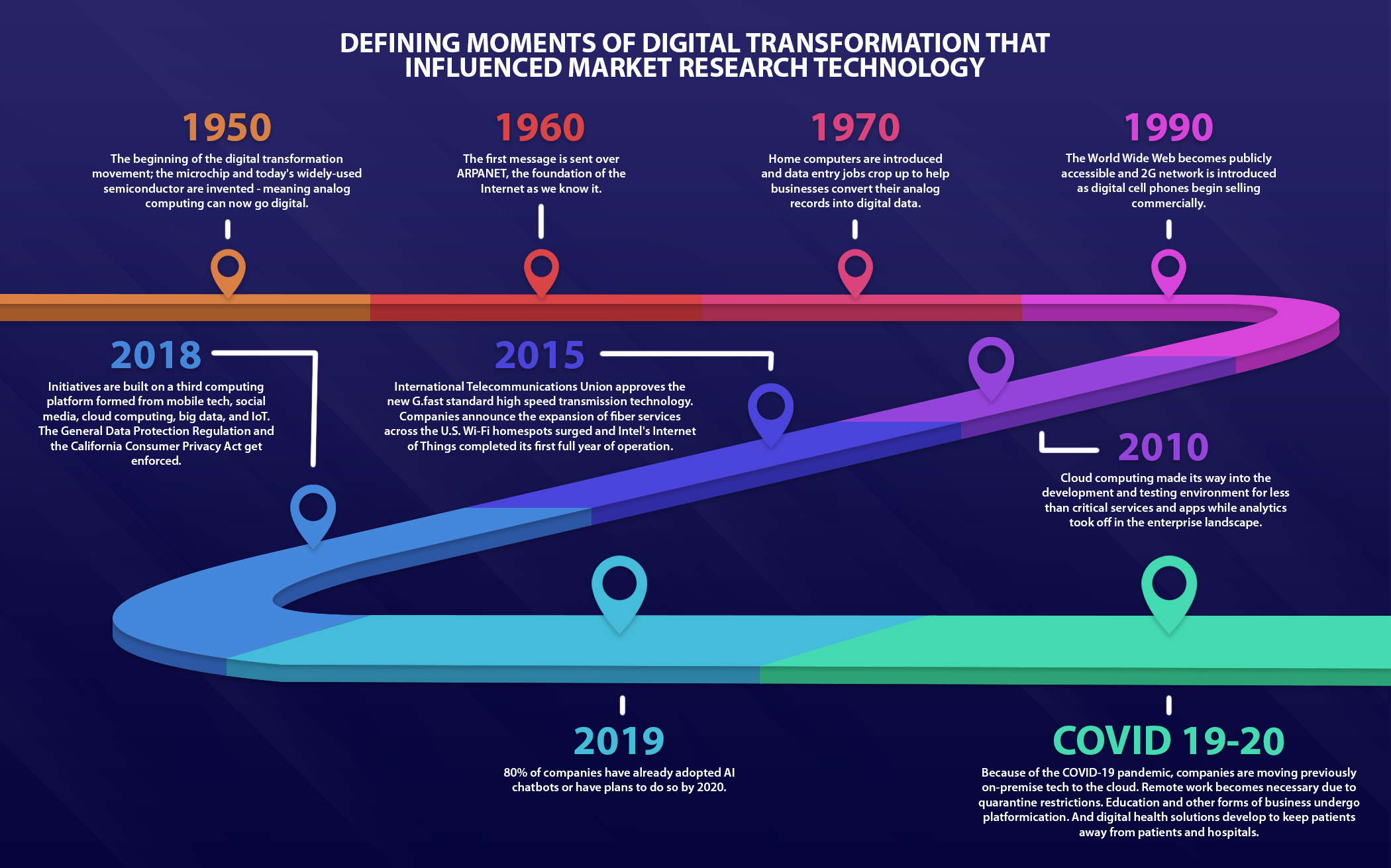
Digital Marketing Transformation: Turning Change into Growth
Digital marketing transformation is more than adopting new software or moving advertising online. It is the process of reshaping how an organisation understands its customers, plans its marketing and measures results in a digital-first world. Done well, it helps businesses create more relevant experiences, make better decisions and adapt more quickly to change.
What is digital marketing transformation?
Traditional marketing often relies on separate channels, broad audience segments and periodic campaigns. Digital transformation connects marketing activity across channels and uses customer insight to make it more timely and relevant. It may involve new technology, but it also requires changes to strategy, processes, skills and ways of working.
For example, a business might bring its website, email, social media, paid advertising and customer relationship management (CRM) data into a more joined-up approach. This can help teams understand how people move from discovering a brand to making a purchase and returning as customers.
Why transformation matters
Customer expectations continue to evolve. People may research a product on a mobile phone, compare options on a website and seek support through social media. They expect experiences to be convenient and consistent, regardless of the channel they use.
At the same time, marketing teams face changing technology, increased competition and greater scrutiny over data use. A thoughtful transformation can help organisations respond to these pressures by improving coordination, relevance and accountability.
The key elements of a successful transformation
A clear strategy
Transformation should begin with business objectives, not a list of tools to purchase. Goals might include increasing qualified enquiries, improving customer retention, strengthening brand awareness or making marketing investment more efficient. Clear priorities help teams decide which changes matter most.
A deeper understanding of customers
Customer research, feedback and responsibly collected first-party data can reveal what audiences need and where they encounter difficulties. This insight can inform audience segments, content and service improvements. Personalisation should be useful and proportionate, rather than intrusive.
Connected technology and data
Marketing platforms can support automation, campaign management, analytics and customer communications. However, technology delivers limited value when systems are disconnected or data is unreliable. Organisations should review their existing tools, identify gaps and prioritise integration, data quality, privacy and security.
Consistent experiences across channels
Customers do not think in terms of internal departments or channel plans. They experience a brand as a whole. Search, social media, email, websites, online advertising and customer service should therefore work together, with consistent information and a recognisable tone of voice.
Skilled, collaborative teams
Digital marketing transformation affects people as well as platforms. Teams may need training in analytics, content planning, automation, accessibility or privacy. Collaboration between marketing, sales, customer service, data and technology teams is also essential. Shared goals and clear responsibilities make it easier to act on customer insight.
Meaningful measurement
Clicks and impressions can provide useful signals, but they do not always show whether marketing is creating business value. Measurement should link activity to outcomes such as conversion, customer lifetime value, retention and return on investment. Regular reviews help teams learn, refine campaigns and stop activities that are not working.
How to get started
A successful transformation does not have to happen all at once. A practical starting point is to assess current marketing activity, customer journeys, data and technology. From there, organisations can identify a small number of priorities and test improvements on a manageable scale.
- Set the objectives: define what the transformation needs to achieve and how success will be measured.
- Map the customer journey: identify key interactions, barriers and opportunities to improve the experience.
- Review systems and data: understand what is already in place and where information is incomplete or disconnected.
- Choose a focused pilot: test a specific improvement, such as a revised onboarding email sequence or a more relevant landing page.
- Learn and scale: assess the results, address any issues and expand approaches that prove effective.
Common challenges to avoid
Buying technology before defining the problem can lead to unnecessary complexity. So can trying to transform every channel at the same time. Other common obstacles include unclear ownership, poor-quality data, limited staff training and measuring success using activity alone.
These challenges can be reduced through realistic planning, good governance and ongoing communication. Privacy and accessibility should be considered from the outset, not added as an afterthought. Marketing practices must also comply with relevant data protection and advertising requirements.
The future of digital marketing transformation
New tools, including artificial intelligence, are changing how marketing teams analyse information, develop content and automate routine tasks. They can create opportunities, but they do not replace sound strategy, human judgement or a strong understanding of customers. Organisations will need to assess new capabilities carefully and use them transparently and responsibly.
Conclusion
Digital marketing transformation is an ongoing effort to make marketing more connected, customer-focused and measurable. It combines strategy, data, technology and people rather than relying on any one platform or campaign. By starting with clear objectives, improving customer experiences and learning from results, organisations can build the foundations for sustainable digital growth.
Essential Tips for a Successful Digital Marketing Transformation
- Set clear goals before choosing new tools.
- Use customer data responsibly and transparently.
- Connect marketing platforms to create a unified view.
- Test campaigns, learn from results and iterate.
- Build digital skills across the whole team.
- Measure outcomes, not just clicks and reach.
Set clear goals before choosing new tools.
Before investing in new digital marketing tools, define what you want to achieve. Clear goals—such as generating more qualified leads, improving customer retention or measuring campaign performance more accurately—help you choose technology that addresses a real need. They also make it easier to compare options, focus your budget and assess whether the tool is delivering meaningful results.
Use customer data responsibly and transparently.
Use customer data responsibly and transparently by collecting only what is needed, explaining clearly why it is being gathered and how it will be used, and obtaining consent where required. Protect information with appropriate security measures, respect people’s preferences and make it easy for them to manage their choices. Building these practices into your digital marketing transformation helps earn trust, meet privacy obligations and create more relevant customer experiences without crossing personal boundaries.
Connect marketing platforms to create a unified view.
Connect your marketing platforms to build a unified view of customer interactions across channels. Integrating tools such as your CRM, website analytics, email platform and advertising accounts can help teams understand how people discover, consider and engage with your business. With more complete, reliable data, you can make better-informed decisions, deliver more relevant communications and measure how different activities contribute to your goals. Ensure integrations are secure, respect data-protection requirements and are reviewed regularly to maintain data quality.
Test campaigns, learn from results and iterate.
Test campaigns on a manageable scale before investing heavily, and define clear measures of success from the outset. Review the results to understand what resonated with your audience, which channels performed well and where people dropped off. Use these insights to refine your messaging, targeting and creative, then test again. This cycle of learning and iteration helps improve performance over time and ensures marketing decisions are guided by evidence rather than assumptions.
Build digital skills across the whole team.
Building digital skills across the whole team helps digital marketing transformation become part of everyday work, rather than the responsibility of a few specialists. Offer practical training in areas such as analytics, content creation, social media, automation and data privacy, tailored to each person’s role. Encourage colleagues to share what they learn and make time to test new approaches. When everyone understands the tools and channels relevant to their work, teams can collaborate more effectively, respond to customer needs and make better-informed decisions.
Measure outcomes, not just clicks and reach.
Measure outcomes, not just clicks and reach. Metrics such as impressions and website visits can show whether people are noticing your marketing, but they do not reveal whether it is helping the business progress. Track meaningful results—such as qualified enquiries, sales, customer retention or return on investment—and connect them to your marketing activity. This gives your team a clearer view of what is working, where to improve and how to invest resources effectively.
Leave a Reply