
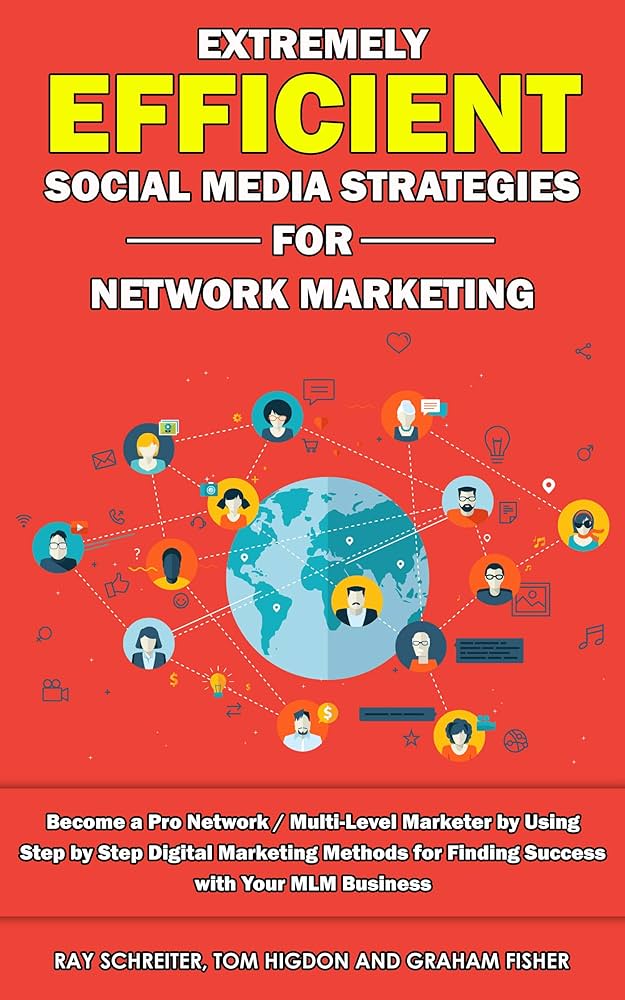
Digital Network Marketing: Building Relationships Online
Digital network marketing combines network marketing—the promotion and sale of products through personal connections—with online tools and platforms. Instead of relying mainly on in-person meetings and printed materials, participants can use websites, social media, email and video to reach potential customers and develop their networks.
When done responsibly, digital channels can make it easier to share useful information, communicate with customers and manage a distributed sales team. Success, however, depends on more than having a large online following. It requires trust, clear communication and a product or service that offers genuine value.
How digital network marketing works
In a typical network marketing model, independent distributors sell products directly to customers. Some businesses also offer commissions linked to sales made by people a distributor has introduced to the business. The precise structure varies, so it is important to understand how compensation works before joining.
Digital tools can support different parts of this process. A distributor might use social media to publish product information, a website to answer common questions, email to keep in touch with customers, and video calls to explain how the business operates. Customer relationship management software can help organise enquiries and follow-ups.
Digital network marketing is not the same as simply posting promotional messages across every platform. Effective activity is planned around the needs of a particular audience and focuses on useful, accurate information.
Potential advantages
- Wider reach: Online channels can help businesses connect with customers beyond their local area.
- Flexible communication: People can share information and respond to enquiries across different time zones and schedules.
- Lower distribution costs: Digital content can reduce the need for printed brochures and some face-to-face activity.
- Measurable results: Analytics can show which content attracts attention, generates enquiries or leads to sales.
- Community building: Online groups and events can help customers and distributors exchange information and support.
These advantages are not guaranteed. Results depend on the quality of the offer, the suitability of the business model and the way digital channels are used.
Choosing the right channels
Each platform serves a different purpose. Social media can help introduce a product and encourage conversation, while a website can provide detailed information and make the business’s terms easier to find. Email can be useful for people who have agreed to receive updates. Online events and video calls can offer a more personal way to explain a product or opportunity.
It is usually more effective to choose a small number of channels and use them well than to maintain a weak presence everywhere. Content should suit the platform, reflect the intended audience and make it clear when a post is promotional.
Trust, transparency and compliance
Trust is central to relationship-based selling. Product claims should be accurate and supported by reliable evidence. Earnings claims should be realistic, balanced and based on verifiable information; exceptional outcomes should not be presented as typical. Participants should also explain how they are connected to the business when promoting its products or services.
In the UK, businesses and individuals must consider relevant consumer protection, advertising and data protection rules. Promotional content should be recognisable as advertising, and personal information should be collected and used responsibly. Anyone considering a network marketing opportunity should read the compensation plan, costs, cancellation terms and any requirements to buy stock or pay fees. Independent advice can be helpful where the arrangements are unclear.
A credible opportunity should focus on genuine customer demand for products or services, rather than making recruitment the main route to income. Be cautious of pressure to join quickly, promises of easy or guaranteed earnings, or requirements to make substantial purchases without clear evidence of likely sales.
Measuring performance
Useful measures go beyond likes and follower counts. Depending on the goals, a business might track qualified enquiries, customer conversion rates, repeat purchases, customer retention and the cost of acquiring a customer. For a sales team, it may also be valuable to monitor training participation and the quality of customer service.
Measurement should support better decisions, not encourage intrusive or excessive follow-up. People should be able to decline marketing communications, and their preferences should be respected.
Making digital network marketing more effective
- Start with the audience: Understand the needs and questions of the people the product is intended to serve.
- Lead with useful information: Explain how a product works, who it may suit and what its limitations are.
- Be open about the business model: Make costs, commission arrangements and expectations easy to understand.
- Build relationships over time: Listen, respond thoughtfully and avoid sending unsolicited or repetitive messages.
- Review and improve: Use performance data and customer feedback to refine content and processes.
Conclusion
Digital network marketing can help businesses and independent distributors connect with customers in more flexible and measurable ways. Its long-term value depends on the fundamentals: a worthwhile offer, honest promotion, responsible use of data and realistic expectations. Technology can extend a network, but trust and customer value are what help it endure.
Top 10 Frequently Asked Questions About Digital Network Marketing
- What is the difference in network marketing and digital marketing?
- How do I join network marketing?
- How is networking used in digital marketing?
- What is an example of digital marketing?
- Is network marketing good or bad?
- What are the 4 main of digital marketing?
- What is digital networking business?
- What are the examples of digital marketing?
- What are the 4 types of digital marketing?
- What is digital network marketing?
What is the difference in network marketing and digital marketing?
Network marketing is a business model in which independent distributors sell products or services directly to customers and may earn commissions from sales made by people they introduce to the business. Digital marketing, by contrast, is the use of online channels—such as websites, search engines, email and social media—to promote a business, product or service. The two can overlap: network marketers may use digital marketing tools to reach and communicate with customers, but digital marketing does not necessarily involve direct selling, recruitment or a commission-based network.
How do I join network marketing?
To join a network marketing business, start by researching the company, its products and how its compensation plan works. Check all costs, sales targets, cancellation terms and any requirements to buy stock, and be wary of guaranteed income claims or pressure to sign up quickly. Ask for written details, consider whether there is genuine customer demand for the products, and make sure you understand your responsibilities for marketing and handling personal data. Once you are satisfied the opportunity is suitable, contact the company or an existing distributor through its official channels and complete the enrolment process.
How is networking used in digital marketing?
Networking in digital marketing is used to build and strengthen relationships with customers, industry peers, influencers and potential business partners through online channels. Businesses connect with these audiences on social media, professional platforms, email and online events, sharing useful content and joining relevant conversations. These relationships can increase brand awareness, encourage recommendations, create partnership opportunities and help businesses better understand their audience. Effective networking focuses on genuine engagement and mutual value rather than simply collecting contacts.
What is an example of digital marketing?
An example of digital marketing is a business using search engine advertising to appear when people look online for a product or service. For instance, a local florist could run an advert that appears when someone searches for “flower delivery in Manchester”, then direct them to a website where they can browse bouquets and place an order. Other common examples include social media campaigns, email newsletters, online videos and search engine optimisation (SEO).
Is network marketing good or bad?
Network marketing is not automatically good or bad; it depends on the company, its products and how the opportunity is run. A reputable business should offer products with genuine customer demand, explain all costs and commission arrangements clearly, and avoid exaggerated earnings claims or pressure to recruit. Before joining, review the terms carefully, consider whether you can sell the products without relying on recruitment, and be realistic about the time, effort and possible financial risks involved.
What are the 4 main of digital marketing?
There is no single agreed list, but four widely used areas of digital marketing are search engine optimisation (SEO), content marketing, social media marketing and paid advertising, such as pay-per-click (PPC). SEO helps people find a website through search engines, content provides useful information, social media builds engagement and paid adverts can reach targeted audiences quickly. Email marketing is another important channel and is often included in broader digital marketing strategies.
What is digital networking business?
A digital networking business uses online tools and platforms to build professional or customer relationships, promote products or services, and generate sales or business opportunities. Depending on the model, it may involve social media, websites, email and video meetings, as well as a network of independent distributors who earn commission on sales. The term can describe different types of businesses, so it is worth checking how the company makes money, what costs are involved and how any commissions are calculated before getting involved.
What are the examples of digital marketing?
Examples of digital marketing include search engine optimisation (SEO), pay-per-click advertising, social media marketing, email campaigns, content marketing, influencer partnerships, affiliate marketing and online video advertising. In digital network marketing, these channels can also help distributors share product information, connect with potential customers and maintain relationships online. The most suitable approach depends on the audience, the product and the goals of the business.
What are the 4 types of digital marketing?
The four commonly recognised types of digital marketing are search engine optimisation (SEO), which helps websites appear in unpaid search results; content marketing, which attracts and informs audiences with useful material such as articles, videos and guides; social media marketing, which uses social platforms to build awareness and engage with customers; and email marketing, which shares relevant updates and offers with people who have opted in to receive them. These categories often overlap, and businesses typically combine them to reach audiences at different stages of their customer journey.
What is digital network marketing?
Digital network marketing is the promotion and sale of products or services through personal networks using online channels such as social media, websites, email and video calls. It combines relationship-based marketing with digital tools to connect with customers, share information and support sales teams. Depending on the business model, participants may earn commission from their own sales and, in some cases, from sales made by people they introduce to the business.
Leave a Reply