
Integrated Digital Marketing: Bringing Your Channels Together
Customers rarely interact with a business in just one place. They might first see a social media post, later search for the brand online, read a review and then visit the website before making a purchase. Integrated digital marketing helps make these interactions feel connected, consistent and useful.
What is integrated digital marketing?
Integrated digital marketing is the coordinated use of online channels to support shared business goals. It brings activities such as search engine optimisation (SEO), content marketing, email, social media and paid advertising into one joined-up strategy.
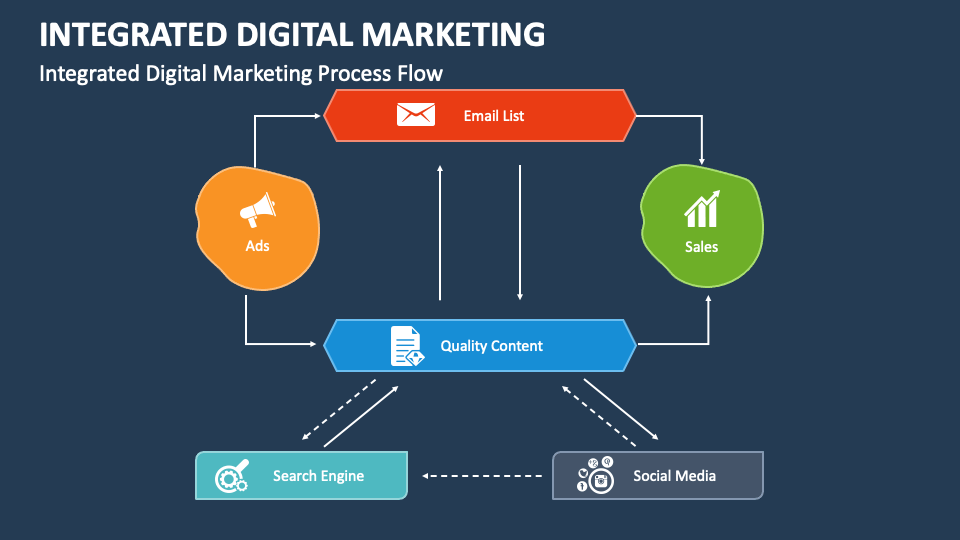
Rather than planning each channel in isolation, an integrated approach considers how they can work together. A useful article, for example, can attract visitors through search, be shared across social media, feature in an email newsletter and support a paid campaign.
Why does integration matter?
A consistent experience makes it easier for people to understand what a business offers and what they should do next. When messages, visuals and calls to action differ significantly from one channel to another, customers may receive a confusing impression of the brand.
Integration can also make marketing more efficient. Teams can plan content for several channels at once, share insights between campaigns and focus investment on the activities that contribute most to their objectives. It can provide a clearer picture of how different interactions help move someone from awareness to consideration and, ultimately, conversion.
The main elements of an integrated strategy
Shared goals and audience understanding
Start by defining what the marketing programme needs to achieve. Goals might include increasing brand awareness, generating qualified enquiries, growing online sales or encouraging repeat purchases. Understanding the audience—their needs, questions and decision-making process—helps determine which channels and messages are appropriate.
A consistent brand and message
Consistency does not mean publishing identical content everywhere. Each channel has its own format and audience expectations. Instead, keep the central message, tone of voice and visual identity recognisable, while adapting the execution to suit the platform.
Connected content
Content should support the audience at different stages of their journey. An introductory guide may build awareness, a comparison page may help with research, and a detailed product page may support a purchase decision. Linking these assets through search, social media and email gives people a natural route to further information.
Co-ordinated channels
Each channel has strengths. SEO can help people discover relevant information through search engines; social media can encourage discussion and sharing; email can nurture relationships; and paid advertising can reach specific audiences or support a time-sensitive campaign. Integration means choosing a suitable role for each channel and making sure they reinforce one another.
Measurement and learning
Measure performance against the goals set at the outset. Useful indicators might include website visits, engagement, leads, sales or customer retention. Looking at channel performance together can reveal how different activities contribute to results. Use these insights to refine the strategy rather than relying on assumptions.
How to put integrated digital marketing into practice
- Set clear objectives. Choose outcomes that are specific enough to guide decisions and assess progress.
- Map the customer journey. Identify key questions and touchpoints, from initial discovery through to purchase and follow-up.
- Choose channels with purpose. Focus on the platforms and formats that suit the audience and the objective.
- Plan campaigns together. Create a shared calendar so that content, advertising, email and social activity support the same priorities.
- Share information across teams. Make sure marketing, sales and customer service can exchange useful feedback and insights.
- Review and improve. Analyse results regularly, learn what is working and adjust activity where needed.
Common challenges to avoid
One common mistake is treating integration as simply posting the same message across every platform. Effective co-ordination considers the purpose, format and audience of each channel. Another challenge is using disconnected data or inconsistent reporting, which can make it difficult to understand the full customer journey.
Unclear ownership can also slow progress. Establishing responsibilities, approval processes and shared objectives helps teams work together. Finally, avoid chasing every new platform or trend. A channel should be included because it serves a clear purpose, not simply because it is popular.
Building a more connected digital presence
Integrated digital marketing is not a one-off campaign or a fixed set of channels. It is an ongoing way of planning, delivering and improving marketing activity. By aligning goals, messages, content and measurement, businesses can create a more coherent experience for customers and make better use of their digital marketing efforts.
Exploring Integrated Digital Marketing: Key Questions and Insights
- What is integrated digital marketing?
- Why is integrated digital marketing important for businesses?
- Which channels are used in an integrated digital marketing strategy?
- How do you create an integrated digital marketing plan?
- How can you measure the success of integrated digital marketing?
- What is the difference between integrated digital marketing and multichannel marketing?
What is integrated digital marketing?
Integrated digital marketing is the co-ordinated use of online channels—such as SEO, social media, email, content and paid advertising—to deliver a consistent customer experience and support shared business goals. Rather than treating each channel separately, it connects messages and activity so they work together, helping people move smoothly from discovering a brand to taking action.
Why is integrated digital marketing important for businesses?
Integrated digital marketing is important because it connects a business’s online channels into a consistent, coherent customer experience. When SEO, content, social media, email and advertising work towards shared goals, customers receive clearer messages at every stage of their journey. This can build trust, improve engagement and help businesses use their marketing budget more effectively. It also makes it easier to measure how channels contribute to results and refine campaigns based on what works.
Which channels are used in an integrated digital marketing strategy?
An integrated digital marketing strategy can use a mix of channels, including a business’s website, search engine optimisation (SEO), content marketing, email, social media, paid search and display advertising, and online public relations. The right combination depends on the audience and business goals. These channels are planned to complement one another—for example, an article might attract visitors through search, be shared on social media and promoted in an email newsletter—while keeping the brand’s message consistent.
How do you create an integrated digital marketing plan?
To create an integrated digital marketing plan, begin by setting clear, measurable goals and identifying the audiences you want to reach. Map the customer journey to understand what people need at each stage, then choose the channels best suited to those needs, such as SEO, social media, email and paid advertising. Develop consistent core messages and adapt them to each platform, while coordinating activity through a shared content calendar. Finally, define how success will be measured, review performance across channels and use the results to refine the plan.
How can you measure the success of integrated digital marketing?
The success of integrated digital marketing can be measured by setting clear objectives and tracking relevant metrics across all channels. Depending on your goals, these might include website traffic, engagement, qualified leads, conversions, sales and customer retention. Use analytics tools and consistent tracking to understand how channels work together, rather than judging each one in isolation. Reviewing results regularly helps you see what is contributing to performance and where your strategy could be improved.
What is the difference between integrated digital marketing and multichannel marketing?
Integrated digital marketing and multichannel marketing both use several online channels, but they differ in how those channels work together. Multichannel marketing makes a brand available across platforms such as social media, email and search, which may operate as separate activities. Integrated digital marketing co-ordinates those channels around shared goals, consistent messaging and a connected customer experience, so each interaction supports the wider campaign.
Leave a Reply