
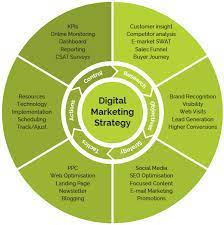
Digital Marketing: An Overview
Digital marketing is the promotion of products, services and brands through online channels and digital technologies. It helps organisations reach audiences where they search, browse, watch and shop. From a small local business to an international company, digital marketing can support goals such as building awareness, attracting visitors, generating enquiries and increasing sales.
Why digital marketing matters
Many customers use digital channels to research their options before making a decision. A clear, useful online presence can help a business be discovered, explain what it offers and build trust. Digital campaigns can also be adjusted as they run, giving marketers the opportunity to learn from performance and improve their approach.
Digital marketing is not automatically inexpensive or effective. Results depend on factors such as the audience, the offer, the quality of the content and the competitiveness of the market. A well-planned strategy connects each activity to a specific business objective.
Key digital marketing channels
Search engine optimisation
Search engine optimisation (SEO) aims to improve a website’s visibility in unpaid search results. It commonly involves creating useful content, organising pages clearly, improving site performance and making information easy for search engines and visitors to understand. SEO is generally a long-term activity rather than a quick fix.
Paid search advertising
Paid search adverts can appear when people search for particular terms. Advertisers typically set budgets and choose targeting options, while paying according to the campaign model used. Paid search can bring relevant visitors quickly, but it needs careful management to control costs and ensure that adverts lead to useful landing pages.
Content marketing
Content marketing involves creating and sharing material that is relevant to an audience. This may include articles, guides, videos, podcasts, case studies or email resources. Helpful content can answer questions, demonstrate expertise and support customers at different stages of their decision-making process.
Social media marketing
Social media platforms allow organisations to share content, communicate with audiences and develop communities. Some businesses use social channels for customer service, product discovery or brand storytelling. The right platforms depend on where a target audience spends time and what the organisation is trying to achieve.
Email marketing
Email marketing enables businesses to send updates, useful content and offers to people who have chosen to receive them. It can support customer relationships over time, especially when messages are relevant and appropriately timed. Organisations should follow applicable privacy and electronic marketing rules, provide clear information about sign-ups and make it easy for recipients to unsubscribe.
Display and video advertising
Display and video adverts can help businesses reach audiences across websites, apps and online video services. They may be used to build awareness, explain a product or reconnect with people who have previously interacted with a brand. Effective creative work and suitable audience targeting are important to avoid wasted spend.
Building a digital marketing strategy
A strategy brings different activities together under a shared plan. A useful starting point is to define the business objective: for example, increasing qualified enquiries, encouraging repeat purchases or raising awareness in a particular market. The objective should be specific enough to guide decisions and measurement.
Next, identify the intended audience. Consider their needs, questions, preferences and likely online behaviour. Research can include customer conversations, website data, search trends and feedback from sales or support teams. These insights help determine which channels and messages are most appropriate.
Businesses can then plan the customer journey: how people discover the organisation, learn about its offer and decide what to do next. The website should make that journey straightforward, with clear information, accessible design and obvious next steps. Campaigns across search, social media, content and email should work together rather than compete for attention.
Measuring performance
Measurement helps marketers understand whether activity is contributing to business goals. Relevant indicators might include website visits, search visibility, engagement, enquiries, conversion rates, sales and customer retention. The most useful measures depend on the purpose of the campaign; a rise in clicks alone does not necessarily mean that a campaign is succeeding.
Tracking should be set up thoughtfully and interpreted in context. Results can be affected by seasonality, market changes, changes to platforms and the quality of the data available. Regular reviews allow teams to identify what is working, test improvements and reallocate resources where appropriate.
Privacy, accessibility and trust
Responsible digital marketing respects people’s privacy and provides honest, clear communication. Organisations should handle personal data lawfully, explain how it is used and ensure their marketing practices meet relevant UK requirements. They should also make websites and content accessible to as many people as possible, including people who use assistive technologies.
Trust is built through accurate claims, transparent pricing and consistent customer experiences. Tactics that mislead people or make it difficult to leave a service may damage a brand’s reputation, even if they deliver short-term results.
Conclusion
Digital marketing combines channels, content, technology and measurement to help organisations connect with audiences online. The strongest approach is not necessarily to use every available platform. It is to understand the audience, choose activities that support clear objectives, provide a good experience and use evidence to improve over time.
Top 9 Frequently Asked Questions About Digital Marketing: A Comprehensive Overview
- What is digital marketing?
- Why is digital marketing important for businesses?
- What are the main types of digital marketing?
- How does search engine optimisation (SEO) work?
- What is the difference between organic and paid digital marketing?
- How can social media marketing help a business?
- How do businesses measure the success of digital marketing?
- How much does digital marketing cost?
- How can a business create a digital marketing strategy?
What is digital marketing?
Digital marketing is the promotion of products, services or brands through online channels and digital technologies. It includes activities such as search engine optimisation (SEO), paid advertising, social media, email and content marketing. Businesses use these methods to reach relevant audiences, build awareness and encourage actions such as enquiries or purchases.
Why is digital marketing important for businesses?
Digital marketing is important because it helps businesses reach and engage people where they search, browse and shop. It can increase brand visibility, attract relevant visitors, generate enquiries and support sales, while providing useful data to assess performance and refine campaigns. By choosing channels that suit their audience and goals, businesses of all sizes can build customer relationships and compete more effectively online.
What are the main types of digital marketing?
The main types of digital marketing include search engine optimisation (SEO), paid search advertising, content marketing, social media marketing, email marketing, display advertising and video marketing. Businesses may also use affiliate marketing and influencer marketing to reach new audiences. The most suitable mix depends on the organisation’s goals, budget and target audience; these channels often work best when coordinated as part of a broader strategy.
How does search engine optimisation (SEO) work?
Search engine optimisation (SEO) helps improve a website’s visibility in unpaid search results. It works by making pages useful and relevant to people’s searches, while helping search engines discover, understand and assess the site. This can involve researching search terms, creating clear and helpful content, organising pages logically, improving mobile usability and loading speed, and earning links from reputable websites. SEO is an ongoing process: search engines regularly update how they rank pages, so businesses should monitor performance and keep their content accurate and useful.
What is the difference between organic and paid digital marketing?
Organic digital marketing attracts audiences without paying directly for each placement, using methods such as search engine optimisation, social media posts and useful content. It can build visibility and trust over time, but results may take a while. Paid digital marketing uses adverts, such as sponsored search results or social media campaigns, to reach selected audiences and can deliver visibility more quickly. It requires a budget and ongoing monitoring. Many businesses combine both approaches: paid activity can support immediate goals, while organic marketing helps build a lasting online presence.
How can social media marketing help a business?
Social media marketing can help a business reach and engage its target audience, build brand awareness and share useful information about its products or services. By encouraging conversations and responding to customers, a business can strengthen relationships and gain insights into what its audience values. Social platforms can also drive visitors to a website and support enquiries or sales, while paid campaigns offer additional ways to target specific groups. Results are strongest when businesses choose suitable platforms, publish relevant content consistently and measure performance against clear goals.
How do businesses measure the success of digital marketing?
Businesses measure the success of digital marketing by tracking performance against clear objectives, such as increasing sales, generating enquiries or improving brand awareness. Useful measures may include website traffic, conversion rates, cost per lead, return on advertising spend, email engagement and customer retention. The most relevant metrics depend on the campaign, so businesses should use reliable analytics, review results over time and consider whether marketing activity is contributing to wider business goals—not just generating clicks or impressions.
How much does digital marketing cost?
The cost of digital marketing varies according to your goals, chosen channels, target audience and the amount of work involved. A small business might begin with a modest budget for a focused campaign, while a broader strategy involving SEO, content, social media and paid advertising will usually require greater investment. Costs may include agency or staff time, creative production, marketing tools and advertising spend. It is best to set a budget around clear business objectives, then review results regularly and adjust spending based on performance.
How can a business create a digital marketing strategy?
A business can create a digital marketing strategy by first setting clear, measurable objectives, such as increasing qualified enquiries or growing online sales. It should then identify its target audience, understand their needs and online habits, and choose the channels most likely to reach them. A practical plan brings together suitable activities—such as SEO, content, social media, email or paid advertising—with a realistic budget, timeline and clear responsibilities. Finally, the business should track relevant results, review performance regularly and adjust its approach based on what the data and customer feedback reveal.
Leave a Reply