
Digital Marketing: A Practical Guide for Businesses
Digital marketing is the promotion of products, services and brands through online channels. It helps businesses reach people where they search, browse, watch videos and connect with others. From a local shop building awareness to a larger company attracting new customers, a well-planned digital marketing strategy can support a range of business goals.
What does digital marketing include?
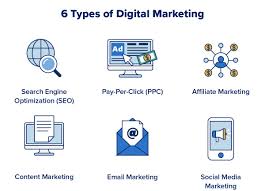
Digital marketing is an umbrella term for several activities. The right mix depends on an organisation’s audience, objectives and budget.
- Search engine optimisation (SEO): Improving a website’s visibility in unpaid search results by publishing useful content and making the site easy to navigate.
- Paid search advertising: Paying to show adverts alongside relevant search results, often using a pay-per-click model.
- Content marketing: Creating helpful material, such as articles, guides and videos, to answer customers’ questions and build trust.
- Social media marketing: Using social platforms to share content, build a community and promote products or services.
- Email marketing: Sending relevant updates and offers to people who have chosen to receive them.
- Display and video advertising: Using visual adverts across websites, apps and video platforms to raise awareness or encourage action.
Why digital marketing matters
Online channels give businesses opportunities to reach specific audiences and communicate with them at different stages of the buying journey. A person might first discover a brand through a social post, compare options using a search engine and later make a purchase after receiving an email.
Digital marketing can also make it easier to assess performance. Website visits, enquiries, sales and other actions can be tracked, helping businesses understand which activities are contributing to their goals. Measurement is most useful when it is linked to meaningful outcomes, rather than simply counting likes or impressions.
How to build a digital marketing strategy
Set clear objectives
Begin by deciding what the business needs to achieve. Objectives might include increasing qualified enquiries, growing online sales, building awareness in a particular region or encouraging existing customers to return. Clear aims make it easier to choose suitable channels and assess results.
Understand the audience
Consider who the intended customers are, what they need and how they look for solutions. Customer research, sales conversations and website data can reveal common questions and barriers. This understanding helps shape more useful content and relevant campaigns.
Choose the right channels
Not every business needs to be active on every platform. A service provider may benefit from strong search visibility, while a visual brand may find social media and video particularly useful. Channel choices should reflect audience behaviour, available resources and business objectives.
Create useful, consistent content
Content should provide genuine value rather than simply promote a product. Answering common questions, explaining how a service works or offering practical advice can help establish credibility. A consistent tone and clear brand message also make a business easier to recognise.
Review and improve
Monitor relevant measures, such as conversion rates, cost per enquiry, organic search traffic or repeat purchases. Compare results with the original objectives and use the findings to refine campaigns. Digital marketing is an ongoing process: audience needs, competitors and platforms can change over time.
Common mistakes to avoid
Some campaigns struggle because they begin without a clear objective or try to reach everyone at once. Other common problems include publishing content without considering what the audience needs, relying on a single channel, and judging success by surface-level metrics alone.
It is also important to provide a good experience after someone clicks an advert or search result. A slow, confusing or poorly designed website can discourage potential customers, even when the marketing campaign itself is effective.
Making digital marketing work for your business
Successful digital marketing combines a clear strategy with relevant content, suitable channels and regular measurement. Businesses do not need to use every available tool. Starting with a small number of well-chosen activities, learning from the results and improving over time can be more effective than spreading resources too thinly.
By focusing on customer needs and connecting marketing activity to practical business goals, organisations can build a stronger online presence and create more meaningful relationships with their audiences.
9 Essential Tips for Effective Digital Marketing Strategies
- Set clear goals before launching campaigns.
- Know your audience and their needs.
- Optimise your website for mobile.
- Create useful, engaging content.
- Use keywords your customers search for.
- Track results with reliable analytics.
- Test different headlines and calls to action.
- Post consistently on relevant social channels.
- Review performance and refine your strategy.
Set clear goals before launching campaigns.
Set clear goals before launching any digital marketing campaign so you know what success looks like and how to measure it. Decide whether you want to increase website visits, generate qualified leads, boost sales or build brand awareness, then choose relevant targets and metrics. Clear goals help you select the right channels, focus your budget and assess what is working, making it easier to improve future campaigns.
Know your audience and their needs.
Knowing your audience and their needs is the foundation of effective digital marketing. Research who your customers are, what challenges they face and where they look for information online. Use these insights to create relevant content, choose the right channels and tailor your messages. When people feel understood, they are more likely to engage with your brand and consider your products or services.
Optimise your website for mobile.
Optimise your website for mobile so visitors can browse, read and take action easily on a smaller screen. Use a responsive design, make pages load quickly, keep text clear and legible, and ensure buttons and forms are simple to use with a thumb. A smooth mobile experience can reduce frustration, encourage enquiries or purchases, and support your wider digital marketing efforts.
Create useful, engaging content.
Create useful, engaging content that answers your audience’s questions and gives them a reason to spend time with your brand. Share practical advice, clear explanations or original insights in formats suited to your channels, such as articles, videos or social posts. When content is relevant, easy to understand and genuinely helpful, it can build trust, encourage people to engage and make them more likely to return.
Use keywords your customers search for.
Use the words and phrases your customers actually search for to make your website easier to find. Think about the questions they ask, the problems they want to solve and the terms they use when looking for products or services like yours. Include these keywords naturally in page titles, headings and helpful content, but avoid overusing them: clear, useful information matters more than squeezing in extra search terms.
Track results with reliable analytics.
Track results with reliable analytics to understand which digital marketing activities are delivering value. Choose measures that align with your goals, such as qualified enquiries, sales or repeat visits, rather than relying solely on likes and page views. Review the data regularly, check that tracking is set up correctly, and use what you learn to refine your campaigns and make better-informed decisions.
Test different headlines and calls to action.
Test different headlines and calls to action to discover what best captures your audience’s attention and encourages them to act. Try variations in wording, tone and emphasis, while changing one element at a time so you can see what makes a difference. Track results such as clicks, sign-ups or sales, then use what you learn to improve future campaigns.
Post consistently on relevant social channels.
Posting consistently on the social channels your audience actually uses helps keep your business visible and builds familiarity over time. Create a realistic schedule and share useful, engaging content that suits each platform, rather than posting for the sake of it. Regularly review engagement and reach so you can learn what resonates and adjust your approach.
Review performance and refine your strategy.
Regularly review the performance of your digital marketing activity to understand what is working and where improvements are needed. Track meaningful measures, such as website enquiries, sales, engagement or cost per lead, and compare them with your goals. Use these insights to refine your strategy, adjust underperforming campaigns and invest more in the channels and content that deliver the strongest results.
Leave a Reply