
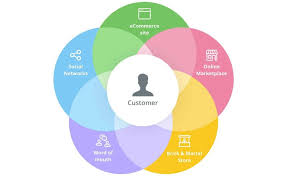
The Power of Omnichannel Digital Marketing
In today’s fast-paced digital landscape, businesses are constantly seeking new ways to engage with their target audience and drive conversions. One strategy that has gained significant traction in recent years is omnichannel digital marketing. This approach involves creating a seamless and integrated experience for customers across multiple channels, both online and offline.
Unlike multichannel marketing, which focuses on using various channels independently, omnichannel marketing aims to provide a unified brand experience regardless of the touchpoint. By connecting the dots between different platforms such as social media, email, websites, mobile apps, and physical stores, businesses can deliver a consistent message and enhance customer engagement.
Benefits of Omnichannel Digital Marketing
One of the key advantages of omnichannel marketing is the ability to create a cohesive brand identity. By maintaining a consistent voice and visual style across all channels, businesses can reinforce their brand image and build trust with customers. This consistency also helps in reinforcing key messages and promotions, leading to increased brand recognition and loyalty.
Another benefit of omnichannel marketing is the ability to track customer interactions across various touchpoints. By gathering data from different channels and devices, businesses can gain valuable insights into customer behaviour and preferences. This data-driven approach allows for more targeted marketing campaigns and personalised communication, ultimately leading to higher conversion rates.
Challenges of Implementing Omnichannel Marketing
While the benefits of omnichannel marketing are clear, implementing this strategy successfully comes with its challenges. One common obstacle is the complexity of managing multiple channels and ensuring a seamless experience across all platforms. Businesses need to invest in technology that enables real-time data integration and automation to deliver personalised content at scale.
Another challenge is breaking down silos within organisations to ensure collaboration between different teams responsible for each channel. Communication and alignment are essential for creating a unified customer experience that transcends individual touchpoints. Additionally, businesses must be prepared to adapt quickly to changing consumer preferences and technological advancements to stay ahead in today’s competitive market.
Conclusion
Omnichannel digital marketing represents the future of customer engagement in an increasingly interconnected world. By leveraging multiple channels strategically and providing a seamless experience for customers at every stage of their journey, businesses can drive growth and build lasting relationships with their audience. While implementing an omnichannel strategy may require time and resources, the long-term benefits in terms of brand loyalty, customer satisfaction, and revenue make it a worthwhile investment for any modern business.
Maximising Brand Impact: The 7 Advantages of Omnichannel Digital Marketing
- Enhances brand consistency and identity across all channels.
- Provides a seamless customer experience regardless of the touchpoint.
- Allows for better tracking and analysis of customer interactions and behaviours.
- Enables targeted marketing campaigns based on data-driven insights.
- Increases brand recognition and loyalty through consistent messaging.
- Improves customer engagement by delivering personalised content at scale.
- Drives higher conversion rates by offering a unified shopping experience.
Challenges of Omnichannel Digital Marketing: Navigating Complexity, Investment, and Integration
- Complexity in managing multiple channels and ensuring consistency across all touchpoints.
- High initial investment required for technology integration and data analytics tools.
- Potential for data privacy concerns when collecting and storing customer information from various sources.
- Difficulty in breaking down silos within organisations to foster collaboration between different teams.
- Risk of overwhelming customers with too many simultaneous marketing messages across channels.
- Challenges in measuring the effectiveness of individual channels within an omnichannel strategy.
Enhances brand consistency and identity across all channels.
One of the key advantages of omnichannel digital marketing is its ability to enhance brand consistency and identity across all channels. By maintaining a unified voice, visual style, and messaging strategy across various touchpoints such as social media, websites, email, and physical stores, businesses can reinforce their brand image and build trust with customers. This consistent branding approach not only increases brand recognition but also fosters a sense of reliability and credibility among consumers, ultimately leading to stronger brand loyalty and engagement.
Provides a seamless customer experience regardless of the touchpoint.
One of the key advantages of omnichannel digital marketing is its ability to provide a seamless customer experience regardless of the touchpoint. By integrating various channels such as social media, email, websites, mobile apps, and physical stores into a cohesive strategy, businesses can ensure that customers receive consistent messaging and branding across all interactions. This unified approach not only enhances brand recognition and loyalty but also makes it easier for customers to engage with the brand at any stage of their journey, leading to improved satisfaction and increased likelihood of conversion.
Allows for better tracking and analysis of customer interactions and behaviours.
One of the key advantages of omnichannel digital marketing is its ability to enable businesses to track and analyse customer interactions and behaviours more effectively. By integrating data from various channels and touchpoints, businesses can gain valuable insights into how customers engage with their brand across different platforms. This comprehensive view of customer behaviour allows for more targeted and personalised marketing strategies, leading to improved engagement, higher conversion rates, and ultimately, a better understanding of customer needs and preferences.
Enables targeted marketing campaigns based on data-driven insights.
Omnichannel digital marketing offers businesses the invaluable advantage of enabling targeted marketing campaigns based on data-driven insights. By collecting and analysing data from various channels and touchpoints, businesses can gain a deep understanding of their customers’ preferences, behaviours, and interactions. This wealth of information allows for the creation of highly personalised and relevant marketing campaigns that resonate with individual customers. By leveraging data-driven insights, businesses can deliver the right message to the right audience at the right time, significantly increasing the effectiveness and ROI of their marketing efforts.
Increases brand recognition and loyalty through consistent messaging.
One significant advantage of omnichannel digital marketing is its ability to enhance brand recognition and foster customer loyalty through consistent messaging. By maintaining a unified voice and visual identity across multiple channels, businesses can reinforce their brand image and values in the minds of consumers. This consistency builds trust and credibility, making customers more likely to engage with the brand and become loyal advocates. As customers encounter consistent messaging at every touchpoint, they develop a stronger connection with the brand, leading to increased recognition and long-term loyalty.
Improves customer engagement by delivering personalised content at scale.
By leveraging omnichannel digital marketing, businesses can significantly enhance customer engagement by delivering personalised content at scale. This approach allows companies to tailor their messaging and offerings to individual customers based on their preferences, behaviour, and past interactions across various channels. By providing relevant and targeted content in real-time, businesses can create a more meaningful and personalised experience for customers, ultimately driving higher levels of engagement and building stronger relationships with their audience.
Drives higher conversion rates by offering a unified shopping experience.
By offering a unified shopping experience across multiple channels, omnichannel digital marketing has the power to drive higher conversion rates for businesses. When customers can seamlessly transition from browsing products online to making a purchase in-store or vice versa, they are more likely to complete their transactions. This cohesive approach not only enhances convenience for consumers but also builds trust and loyalty by providing a consistent brand experience. By removing barriers between different touchpoints, businesses can create a smoother path to conversion and ultimately increase their sales and revenue.
Complexity in managing multiple channels and ensuring consistency across all touchpoints.
One significant challenge of omnichannel digital marketing is the complexity involved in managing multiple channels and ensuring consistency across all touchpoints. With the proliferation of online platforms and communication channels, businesses face the daunting task of maintaining a unified brand experience across various devices and channels. This complexity can lead to inconsistencies in messaging, branding, and customer interactions, ultimately diluting the effectiveness of the marketing efforts. Without a robust strategy and the necessary resources in place to streamline operations and data integration, businesses may struggle to deliver a seamless omnichannel experience that meets customer expectations.
High initial investment required for technology integration and data analytics tools.
One significant drawback of omnichannel digital marketing is the high initial investment needed for technology integration and data analytics tools. Implementing a seamless omnichannel strategy requires sophisticated software and systems that can integrate data from various channels in real-time. Additionally, advanced analytics tools are essential for tracking customer interactions across different touchpoints and deriving meaningful insights to inform marketing decisions. The cost of acquiring, implementing, and maintaining these technologies can be a barrier for smaller businesses or those with limited resources, making it challenging to fully leverage the benefits of omnichannel marketing.
Potential for data privacy concerns when collecting and storing customer information from various sources.
One significant con of omnichannel digital marketing is the potential for data privacy concerns when collecting and storing customer information from various sources. As businesses gather data from multiple touchpoints to create a unified customer experience, there is a risk of infringing on individuals’ privacy rights. Customers may feel uneasy knowing that their personal information is being collected and used across different platforms without their explicit consent. Moreover, storing large amounts of data increases the likelihood of security breaches and data leaks, exposing sensitive information to potential cyber threats. It is essential for businesses to prioritise data protection measures and transparency in their practices to mitigate these privacy risks and build trust with their customers.
Difficulty in breaking down silos within organisations to foster collaboration between different teams.
One significant challenge associated with omnichannel digital marketing is the difficulty in breaking down silos within organisations to foster collaboration between different teams. In many businesses, individual departments or teams may operate independently, focusing solely on their specific channel or function without considering the broader customer journey. This lack of cross-departmental communication and alignment can hinder the seamless integration of marketing efforts across various channels, leading to inconsistencies in messaging and customer experience. Overcoming these silos requires a cultural shift towards a more collaborative and customer-centric approach, as well as investment in technology and processes that facilitate shared data insights and coordinated strategies across the organisation.
Risk of overwhelming customers with too many simultaneous marketing messages across channels.
One significant drawback of omnichannel digital marketing is the risk of overwhelming customers with an influx of simultaneous marketing messages across various channels. When not managed effectively, the constant bombardment of promotions, advertisements, and communications can lead to customer fatigue and disengagement. This saturation of information may result in a negative user experience, causing customers to tune out or even opt out altogether. It is crucial for businesses to strike a balance between maintaining a presence across multiple channels and ensuring that the messaging remains relevant, targeted, and respectful of the customer’s preferences and boundaries to avoid alienating their audience.
Challenges in measuring the effectiveness of individual channels within an omnichannel strategy.
One significant challenge in implementing an omnichannel digital marketing strategy is the difficulty in accurately measuring the effectiveness of individual channels within the broader framework. With customers interacting across multiple touchpoints, attributing conversions or engagement to a specific channel can be complex. This lack of clear visibility into the performance of each channel can make it challenging for businesses to optimise their marketing efforts and allocate resources effectively. Without comprehensive data analytics and attribution models, it becomes harder to determine which channels are driving results and which ones may need adjustments, hindering the overall success of the omnichannel strategy.
Leave a Reply