
How to Structure a Digital Marketing Strategy
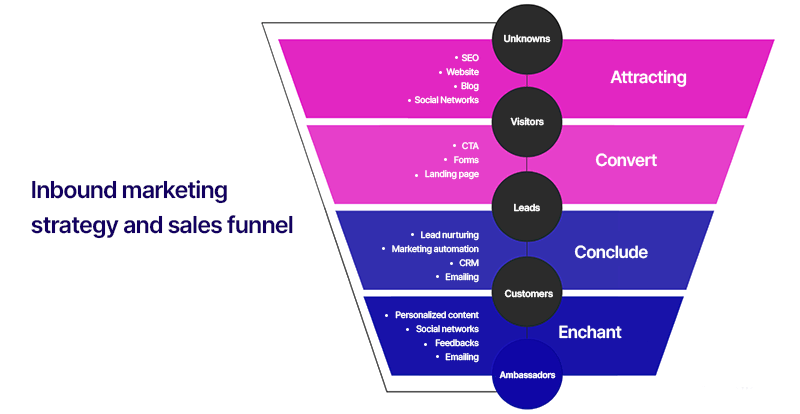
In today’s digital age, having a well-defined digital marketing strategy is crucial for businesses looking to reach and engage with their target audience effectively. A structured approach can help you maximise your online presence, drive traffic to your website, and ultimately boost conversions. Here are key steps to consider when structuring a digital marketing strategy:
Set Clear Objectives
Start by defining your goals and objectives. Whether it’s increasing brand awareness, generating leads, or driving sales, having clear objectives will guide your overall strategy and help you measure success.
Know Your Target Audience
Understanding your target audience is essential for crafting relevant and engaging content. Conduct market research to identify demographics, preferences, and online behaviour of your audience.
Choose the Right Channels
Select the digital channels that align with your target audience and business goals. This may include social media platforms, search engines, email marketing, or content marketing.
Develop Compelling Content
Create high-quality content that resonates with your audience. Whether it’s blog posts, videos, infographics, or social media posts, compelling content can drive engagement and build brand loyalty.
Implement SEO Strategies
Optimise your website and content for search engines to improve visibility and organic traffic. Utilise keywords, meta tags, backlinks, and other SEO tactics to enhance your online presence.
Monitor and Analyse Performance
Regularly track key performance indicators (KPIs) such as website traffic, conversion rates, click-through rates, and social media engagement. Use analytics tools to gain insights into what’s working and what needs improvement.
Adapt and Optimise
Based on performance data, make informed adjustments to your digital marketing strategy. Continuously test different approaches and optimise campaigns to achieve better results over time.
By following these steps and continuously refining your approach based on data-driven insights, you can create a structured digital marketing strategy that drives growth and delivers tangible results for your business.
Essential FAQs for Crafting a Successful Digital Marketing Strategy
- What is a digital marketing strategy and why is it important?
- How do I set clear objectives for my digital marketing strategy?
- What are the key components of a digital marketing strategy?
- How can I identify and target my audience effectively in a digital marketing strategy?
- Which digital channels should I consider when structuring a marketing strategy?
- What role does content play in a successful digital marketing strategy?
- How can SEO be integrated into a digital marketing strategy for better results?
- What tools or metrics should I use to measure the success of my digital marketing strategy?
What is a digital marketing strategy and why is it important?
A digital marketing strategy is a comprehensive plan that outlines how a business will leverage digital channels to achieve its marketing objectives. It encompasses various online tactics such as social media marketing, search engine optimisation, content creation, email campaigns, and more. Having a well-defined digital marketing strategy is crucial for businesses in today’s digital landscape as it provides a roadmap for reaching and engaging with target audiences effectively. By setting clear goals, identifying the right channels, creating compelling content, and measuring performance, a structured digital marketing strategy can help businesses increase brand visibility, drive website traffic, generate leads, and ultimately boost conversions. In essence, a digital marketing strategy serves as a guiding framework that enables businesses to navigate the complexities of the online world and stay competitive in their industry.
How do I set clear objectives for my digital marketing strategy?
When setting clear objectives for your digital marketing strategy, it is essential to align them with your overall business goals. Start by identifying what you want to achieve through your digital efforts, whether it’s increasing brand awareness, driving website traffic, or boosting sales. Ensure that your objectives are specific, measurable, achievable, relevant, and time-bound (SMART). By defining clear and actionable objectives, you can effectively guide your digital marketing activities and measure the success of your strategy against predetermined metrics. Regularly review and adjust your objectives as needed to stay on track towards achieving your desired outcomes.
What are the key components of a digital marketing strategy?
When considering how to structure a digital marketing strategy, it is essential to understand the key components that form its foundation. The key components of a digital marketing strategy typically include setting clear objectives aligned with business goals, identifying and understanding the target audience, selecting the appropriate digital channels for reaching and engaging with the audience, creating compelling and relevant content, implementing SEO strategies to enhance online visibility, monitoring performance through analytics, and adapting and optimising the strategy based on data-driven insights. By integrating these key components cohesively, businesses can develop a comprehensive digital marketing strategy that drives success in the ever-evolving digital landscape.
How can I identify and target my audience effectively in a digital marketing strategy?
In crafting a digital marketing strategy, the key to effectively identifying and targeting your audience lies in thorough research and understanding of your target demographic. Begin by creating detailed buyer personas that encapsulate the characteristics, preferences, behaviours, and needs of your ideal customers. Utilise data analytics tools to gather insights on online behaviour, engagement patterns, and demographics of your current audience. By leveraging this information, you can tailor your content, messaging, and marketing channels to resonate with your target audience effectively. Continuous monitoring and analysis of performance metrics will enable you to refine your targeting strategies and ensure that your digital marketing efforts are reaching the right people with the right message at the right time.
Which digital channels should I consider when structuring a marketing strategy?
When structuring a digital marketing strategy, it is essential to carefully consider the digital channels that align with your business objectives and target audience. The choice of digital channels plays a significant role in reaching and engaging with your potential customers effectively. Depending on your goals, you may want to explore a mix of channels such as social media platforms, search engines, email marketing, content marketing, and online advertising. By understanding where your target audience spends their time online and tailoring your approach accordingly, you can maximise the impact of your marketing efforts and achieve better results.
What role does content play in a successful digital marketing strategy?
In a successful digital marketing strategy, content plays a pivotal role in engaging and connecting with the target audience. High-quality and relevant content not only attracts visitors to a website but also keeps them interested and encourages them to take desired actions. Whether it’s informative blog posts, captivating videos, engaging social media updates, or compelling email campaigns, well-crafted content helps build brand credibility, establish authority in the industry, and foster long-term relationships with customers. By aligning content creation with the overall marketing objectives and target audience preferences, businesses can effectively drive traffic, increase conversions, and ultimately achieve success in the digital landscape.
How can SEO be integrated into a digital marketing strategy for better results?
When considering how to structure a digital marketing strategy, integrating SEO is essential for achieving optimal results. SEO plays a crucial role in improving online visibility, driving organic traffic, and enhancing overall website performance. By incorporating SEO tactics such as keyword research, on-page optimization, link building, and content creation into your digital marketing strategy, you can boost your search engine rankings and attract more qualified leads. A well-executed SEO strategy not only increases brand visibility but also improves user experience and credibility, ultimately leading to better results in terms of website traffic, conversions, and overall online success.
What tools or metrics should I use to measure the success of my digital marketing strategy?
When it comes to measuring the success of your digital marketing strategy, using the right tools and metrics is essential. Tools such as Google Analytics, SEMrush, Hootsuite, and HubSpot can provide valuable insights into website traffic, social media engagement, keyword performance, and more. Key metrics to consider include conversion rates, click-through rates, bounce rates, return on investment (ROI), and customer acquisition cost. By tracking these metrics regularly and analysing the data they provide, you can evaluate the effectiveness of your digital marketing efforts and make informed decisions to optimise your strategy for better results.
Leave a Reply