
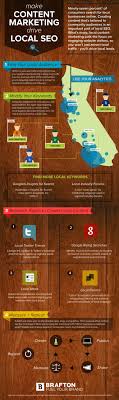
Content Marketing for Local SEO: A Practical Guide
When people search for a service near them, they want useful answers from businesses they can trust. Content marketing can help your business provide those answers, build local visibility and encourage potential customers to get in touch.
Local SEO is the process of improving your visibility in search results for location-related searches, such as “plumber in Bristol” or “best coffee shop near me”. Content marketing supports this by creating helpful, relevant material that reflects your services, expertise and connection to the area.
Why content matters for local SEO
Search engines aim to show results that are relevant and useful to the person searching. Well-planned content helps explain what your business does, where you operate and which local needs you can meet. It can also give prospective customers a clearer picture of your experience before they make an enquiry.
Content is not a shortcut to better rankings, and publishing more pages does not guarantee results. The aim is to create genuinely useful information for your audience and make it easy for search engines and people to understand.
Start with local customer questions
Strong local content often begins with the questions customers ask before choosing a business. Speak to your team, review customer enquiries and look at the wording people use in reviews and feedback.
For example, a local electrician might find that customers regularly ask:
- Which electrical jobs require a qualified electrician?
- How can I prepare for an electrical safety inspection?
- Do you cover my town or village?
- What should I do if my power keeps tripping?
These questions can inspire useful service-page information, frequently asked questions, guides and short social posts. Answer them clearly, and avoid adding local keywords where they do not read naturally.
Create useful location pages
If your business serves several towns or neighbourhoods, dedicated location pages can help explain where you work. Each page should offer meaningful information about the service in that area, rather than simply swapping a place name into an otherwise identical template.
A useful location page could include:
- The services available in that area
- Relevant details about travel, appointments or delivery
- Examples of work completed nearby, with permission where needed
- Local customer testimonials, if genuine and appropriately attributed
- Answers to common questions from customers in the area
- Clear contact details and a next step, such as requesting a quote
Only create pages for areas you genuinely serve. Thin or repetitive pages can frustrate visitors and are unlikely to provide much value.
Publish content rooted in your community
Your local knowledge can help distinguish your business from larger competitors. Consider creating content about community events, seasonal needs, local regulations or issues that affect customers in your area. A garden centre might publish a month-by-month planting guide suited to the local climate, while a solicitor could explain a regional service process in plain English.
Local stories can also demonstrate your involvement in the community. You might share a project, partnership or event, provided the information is accurate and relevant to your customers. The purpose is to offer a genuine perspective, not to mention place names for their own sake.
Support your Google Business Profile
Your website content and Google Business Profile should work together. Keep your business name, address, phone number, opening hours and service information accurate and consistent. Add appropriate updates, photographs and service details to your profile, and direct visitors to relevant pages on your website.
Reviews can also help people decide whether to contact you. Invite customers to leave honest feedback, respond professionally and avoid offering incentives in exchange for reviews. Never write or purchase reviews that misrepresent a customer’s experience.
Use local keywords naturally
Keyword research can reveal how people describe your services and the areas they mention. Use these insights to shape page titles, headings and copy where they fit naturally. Include clear service and location information, but write for people first.
For instance, a page titled “Boiler servicing in Leeds” should explain the service, who it is for, the areas covered and how to book. Repeating “boiler servicing Leeds” throughout the page will not make it more helpful.
Make content easy to find and use
Even excellent content can be overlooked if it is difficult to navigate. Organise your site so visitors can quickly find your services, locations and contact details. Link related pages together—for example, a local project story could link to the relevant service page.
Check that your pages work well on mobile devices, load reliably and use descriptive headings. Include clear calls to action, such as calling the business, booking an appointment or requesting a quote.
Measure what is working
Review performance regularly and look beyond rankings alone. Useful measures may include:
- Organic visits to service and location pages
- Enquiries, calls, bookings or quote requests
- Search queries that bring people to your site
- Engagement with your Google Business Profile
- Which content attracts useful links or customer questions
Use analytics and search performance tools to identify pages that need updating or topics worth developing. Allow time for results to build, and assess performance in the context of your wider marketing activity.
Keep content accurate and up to date
Local information can change. Review pages periodically to check that service areas, prices, opening hours, staff details and advice are still correct. Update older articles when facts or customer needs change, and remove or redirect pages that are no longer useful.
Build a local content plan
A manageable plan is more effective than publishing sporadically. Choose a few topics that reflect your services and customers’ questions, then decide how often you can create and maintain content. A small number of detailed, useful pages is often more valuable than a large collection of rushed posts.
Content marketing for local SEO works best when it combines local understanding with clear, trustworthy information. By answering real questions, showcasing relevant experience and keeping your business details accurate, you can make it easier for nearby customers to discover and choose your business.
Essential FAQs on Content Marketing for Local SEO: Strategies, Types, and Measurement
- What is content marketing for local SEO?
- How does content marketing improve local SEO?
- What types of content work best for local SEO?
- How often should a local business publish new content?
- How can I find local keywords and topics for my content?
- How do I measure the results of local SEO content marketing?
What is content marketing for local SEO?
Content marketing for local SEO means creating useful, locally relevant content that helps nearby customers find and choose your business. This might include service and location pages, answers to common customer questions, local guides or stories about community projects. By clearly explaining what you offer and where you work, this content can improve your visibility in local search results and build trust with potential customers.
How does content marketing improve local SEO?
Content marketing can improve local SEO by providing useful, locally relevant information that helps search engines understand your services, expertise and the areas you cover. Helpful service pages, local guides and answers to common customer questions can attract visitors and make it easier for nearby customers to find the right information. When content is accurate, original and regularly maintained, it can also build trust and encourage enquiries—without relying on unnatural keyword repetition.
What types of content work best for local SEO?
The content that works best for local SEO is useful, locally relevant and tailored to what customers are searching for. This can include detailed service and location pages, answers to common customer questions, local guides, project case studies, community news and genuine customer testimonials. Focus on providing specific information about your services and the areas you cover, rather than creating repetitive pages that simply swap in different place names.
How often should a local business publish new content?
There’s no fixed publishing schedule that suits every local business. Aim for a pace you can maintain while creating genuinely useful, accurate content—whether that’s a detailed article each month, regular service updates or seasonal advice. Quality and relevance matter more than publishing frequently: answer real customer questions, keep key service and location pages up to date, and review performance to see what your audience finds helpful.
How can I find local keywords and topics for my content?
To find local keywords and topics, start with the questions customers ask and the words they use to describe your services and area. Use keyword research tools and Google’s autocomplete and related-search suggestions to explore phrases that combine your service with a town, neighbourhood or nearby landmark. Check reviews, customer enquiries, local forums and competitors’ websites for recurring concerns and useful topic ideas. Focus on terms that reflect genuine local demand, then create helpful content around them—without forcing place names into every sentence.
How do I measure the results of local SEO content marketing?
Measure local SEO content marketing by tracking both visibility and business outcomes. Use tools such as Google Search Console and analytics platforms to monitor local search impressions, clicks, rankings and visits to key service or location pages. Then assess whether those visits lead to meaningful actions, such as calls, form enquiries, bookings or visits to your Google Business Profile. Compare results over time, taking seasonality and other marketing activity into account, and review which topics and pages bring in the most relevant local customers.
Leave a Reply