
Internet Marketing Advertising: A Practical Guide for Businesses
Internet marketing advertising helps businesses reach potential customers through digital channels. From search engines and social media to websites and email, online advertising offers a range of ways to introduce products and services, build awareness and encourage action.
A successful campaign is about more than placing adverts online. It starts with understanding the audience, choosing suitable channels and creating relevant messages. Businesses also need to track performance and use the results to improve their approach.
What Is Internet Marketing Advertising?
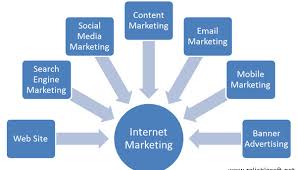
Internet marketing advertising is the promotion of a business, product or service through online platforms. It can include paid advertising, such as sponsored search results and social media adverts, as well as broader digital marketing activities such as search engine optimisation (SEO), content marketing and email campaigns.
These activities can work together. For example, a business might publish useful information to attract visitors through search, then use carefully targeted adverts to reach people who have shown an interest in its products.
Common Types of Online Advertising
- Search advertising: Paid adverts appear on search engine results pages when people look for particular terms. This can help businesses reach users who are actively researching a product or service.
- Social media advertising: Platforms such as LinkedIn, Instagram and Facebook allow businesses to promote content to selected audiences. Options may include image, video, carousel and lead-generation adverts.
- Display advertising: Banner and other visual adverts appear on websites and apps. These can help build brand awareness and may also be used to reconnect with people who have previously visited a website.
- Video advertising: Video adverts can appear on streaming services, social platforms and other websites. They are useful for demonstrating products, sharing stories or explaining ideas.
- Email marketing: Permission-based email campaigns can keep subscribers informed about news, offers and useful content. Clear consent and straightforward unsubscribe options are essential.
- Content marketing and SEO: Helpful articles, guides and other resources can attract visitors over time. SEO supports this by making a website easier for search engines and users to understand.
How to Build an Effective Campaign
Set clear objectives
Decide what the campaign should achieve. Objectives might include increasing brand awareness, generating enquiries, encouraging online sales or bringing visitors to a particular page. Specific objectives make it easier to choose channels and assess results.
Understand the audience
Consider who the business wants to reach, what those people need and where they spend time online. Audience research can inform the campaign’s language, format, timing and choice of platform. Avoid relying on assumptions when customer feedback or available data can provide better insight.
Choose appropriate channels
Not every platform suits every business. A professional services firm may find search advertising and LinkedIn useful, while a visually led consumer brand might focus on social media or video. Start with channels that match the audience and objectives, then expand when there is a clear reason to do so.
Create relevant adverts and landing pages
Good advertising communicates a clear benefit and gives people a sensible next step. The advert and the page it links to should match in tone and information. If an advert promotes a particular service, for example, the landing page should make it easy to learn more or enquire about that service.
Set a budget and test carefully
Set a budget that reflects the campaign’s goals and the business’s resources. Testing different headlines, images, audiences or calls to action can reveal what resonates. Make changes methodically so that results are easier to interpret.
Measuring Results
Campaign performance should be assessed against its objectives. Useful measures may include:
- Reach and impressions: How many people saw the advert, and how often it was shown.
- Click-through rate: The proportion of advert views that resulted in a click.
- Conversion rate: The proportion of visitors who completed a desired action, such as making a purchase or submitting an enquiry.
- Cost per result: The amount spent to generate a click, lead, sale or other defined outcome.
- Return on investment: How the value generated compares with the cost of the campaign.
These figures need context. A high number of clicks, for instance, does not necessarily mean a campaign is successful if those visitors do not take a relevant next step. Reviewing website analytics alongside advertising reports can give a more complete picture.
Privacy, Transparency and Trust
Responsible internet marketing advertising respects people’s privacy and preferences. Businesses should handle personal data lawfully, explain how it is used and follow applicable advertising and data-protection rules. Advertising should also be honest and clear, without misleading claims or hidden conditions.
Trust is a valuable part of any long-term marketing strategy. Relevant messages, accurate information and respectful communication can help build stronger relationships with customers.
Conclusion
Internet marketing advertising gives businesses many ways to connect with audiences and support their growth. The most effective approach combines clear objectives, a good understanding of customers, suitable channels and ongoing measurement. By testing thoughtfully and focusing on useful, truthful communication, businesses can make their online advertising more relevant and effective.
Eight Advantages of Internet Marketing: Expanding Reach and Boosting Engagement
- Reaches audiences across the UK and beyond.
- Targets adverts to relevant customer groups.
- Offers flexible budgets for businesses of all sizes.
- Provides measurable campaign results.
- Enables quick testing and optimisation.
- Helps build brand awareness online.
- Can generate leads and sales around the clock.
- Connects businesses with customers on their preferred platforms.
Challenges in Internet Marketing: Costs, Visibility, Targeting, and Privacy Constraints
- Can be costly in competitive markets.
- Ad blockers may reduce visibility.
- Poor targeting can waste budget.
- Privacy rules limit data use.
Reaches audiences across the UK and beyond.
One of the key advantages of internet marketing advertising is its ability to reach audiences across the UK and beyond. Businesses can connect with local customers in a specific town or region, while also promoting their products and services to people elsewhere in the country or overseas. This wider reach helps firms raise brand awareness, explore new markets and attract customers beyond their immediate area.
Targets adverts to relevant customer groups.
One of the key advantages of internet marketing advertising is the ability to target adverts to relevant customer groups. Businesses can tailor campaigns according to factors such as location, interests, search behaviour or previous interactions, helping them reach people who are more likely to be interested in their products or services. This can make advertising more relevant to customers and help businesses use their marketing budget more effectively.
Offers flexible budgets for businesses of all sizes.
One of the key advantages of internet marketing advertising is its flexible budgeting, making it accessible to businesses of all sizes. A small business can begin with a modest spend, test different adverts and adjust its budget as it learns what works. Larger organisations can invest more across multiple channels and campaigns, while still monitoring costs and results. This flexibility helps businesses manage their spending in line with their goals and resources.
Provides measurable campaign results.
One of the key advantages of internet marketing advertising is that campaign results can be measured in detail. Businesses can track metrics such as impressions, clicks, website visits, enquiries and sales, helping them see which adverts and channels are performing best. This makes it easier to assess return on investment, adjust budgets and refine campaigns based on evidence rather than guesswork.
Enables quick testing and optimisation.
Internet marketing advertising enables businesses to test ideas quickly and refine campaigns using real-time performance data. By comparing different headlines, images, audiences or calls to action, marketers can see what resonates and adjust their approach without waiting for a lengthy campaign to finish. This makes it easier to improve results, use budgets more effectively and respond to changing customer behaviour.
Helps build brand awareness online.
Internet marketing advertising helps businesses build brand awareness by putting their name, products and message in front of relevant audiences across search engines, social media, websites and other online channels. Consistent, engaging adverts can make a brand more familiar over time, helping potential customers recognise it and remember it when they are ready to make a purchase.
Can generate leads and sales around the clock.
One of the key advantages of internet marketing advertising is its ability to generate leads and sales around the clock. Unlike a physical shop or a campaign limited to business hours, online adverts and sales pages can reach potential customers whenever they are browsing. This makes it easier for people to discover a business, find out more and take action at a time that suits them, while helping businesses capture opportunities across different time zones.
Connects businesses with customers on their preferred platforms.
One of the key advantages of internet marketing advertising is that it helps businesses reach customers on the platforms they already prefer to use. Whether people spend time on search engines, social media, video sites or email, businesses can tailor their adverts to suit each channel and audience. This makes it easier to share relevant messages at the right moment, creating a more convenient and engaging experience for potential customers.
Can be costly in competitive markets.
In competitive markets, internet marketing advertising can become costly as businesses bid against one another for the same keywords, audiences and placements. This can drive up the price of each click or enquiry, making it harder for smaller firms to achieve a worthwhile return. Careful budgeting, precise targeting and regular campaign reviews can help control spending, but results are not guaranteed.
Ad blockers may reduce visibility.
Ad blockers can reduce the visibility of internet marketing advertising by hiding display adverts and other promotional content from users who have installed blocking software. This means a campaign may reach fewer people than expected, even when its targeting and budget are well planned. Businesses can respond by creating useful, relevant content, diversifying their marketing channels and avoiding intrusive advertising that may encourage people to block adverts in the first place.
Poor targeting can waste budget.
Poor targeting can quickly waste an online advertising budget. If adverts are shown to people who are unlikely to be interested, the business may pay for clicks and impressions that generate few enquiries or sales. This can happen when audience settings are too broad, customer data is inaccurate or campaign assumptions are out of date. Reviewing performance regularly and refining audiences can help ensure adverts reach people who are more likely to respond.
Privacy rules limit data use.
Privacy rules can limit how businesses collect and use customer data for internet marketing advertising. Requirements around consent, data protection and targeted advertising may reduce access to detailed audience information, making it harder to personalise campaigns or measure results. Businesses need to follow the rules carefully, explain their data practices clearly and find respectful ways to reach relevant audiences.
Leave a Reply