
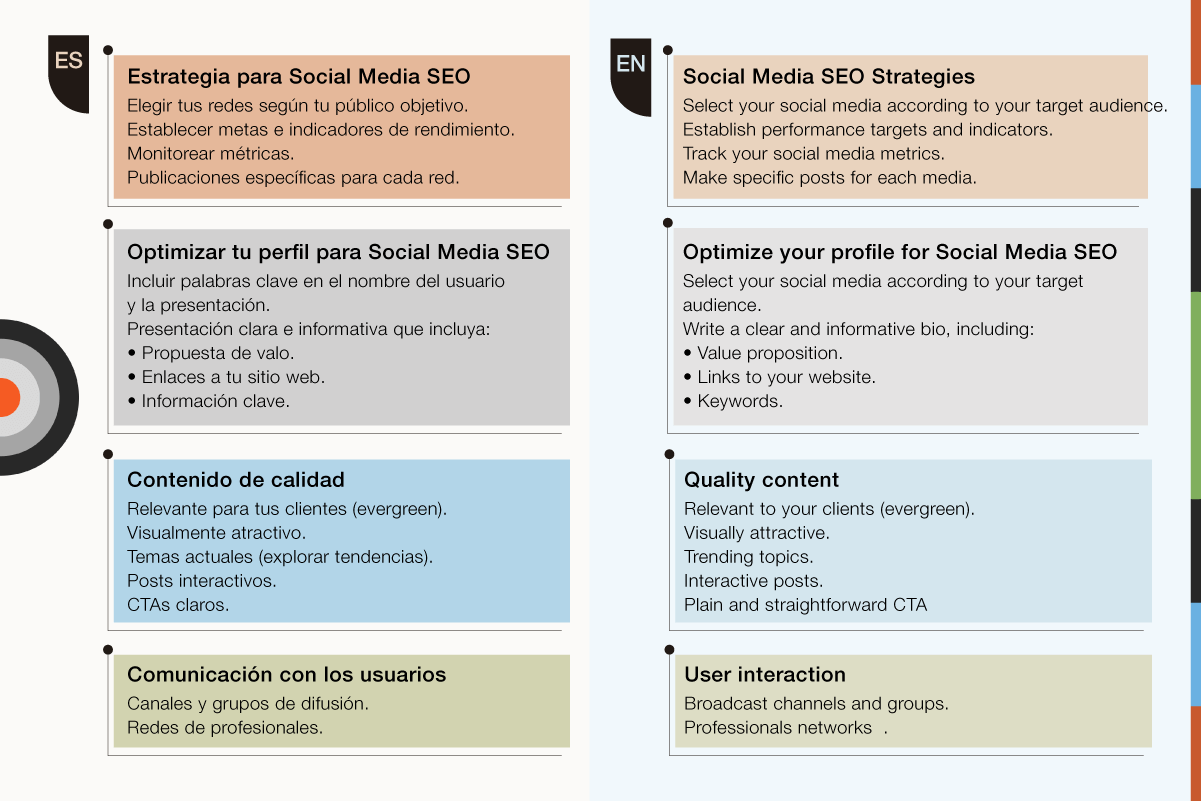
Social Media Marketing Strategy and Optimisation
A strong social media presence is built on more than frequent posting. It requires a clear strategy, useful content and regular optimisation based on what audiences respond to. Whether a business is building brand awareness, generating leads or supporting customers, a considered approach helps make social media activity more focused and effective.
Set clear objectives
Start by deciding what social media needs to achieve for your business. Objectives might include increasing brand awareness, driving relevant website visits, generating enquiries, encouraging sales or improving customer service. Choose objectives that support wider business priorities, rather than treating social media activity as an end in itself.
Make each objective specific and measurable. For example, instead of aiming to “get more engagement”, set a target to increase meaningful comments or shares among a defined audience over a stated period. Clear objectives make it easier to choose suitable platforms, content and measures of success.
Understand your audience
Effective marketing begins with knowing who you want to reach and what matters to them. Consider your audience’s needs, interests, questions and reasons for using each platform. Existing customer feedback, website analytics, sales conversations and social media insights can all help build a more useful picture.
Use this information to shape your tone of voice and content. Avoid relying on assumptions or broad demographic labels alone. A practical audience profile should help answer questions such as:
- What problems are people trying to solve?
- What information or entertainment would they value?
- Which platforms do they use, and how do they use them?
- What might prevent them from choosing your product or service?
Choose platforms with purpose
There is no need for every business to be active on every social network. Select platforms that suit your audience, objectives, content skills and available resources. A business-to-business organisation may prioritise professional communities and expert content, while a consumer brand might focus on visually led platforms or short-form video.
Consider the role each platform will play. One channel might be used to share expertise, another to showcase products, and another to answer customer questions. A clear purpose helps prevent duplicated effort and makes it easier to adapt content to each platform.
Develop a balanced content plan
A useful content strategy gives audiences a reason to follow and engage with your business. Plan a mix of content that informs, helps, inspires or entertains, alongside promotional posts. Depending on your business, this might include practical advice, product demonstrations, customer stories, behind-the-scenes updates, industry commentary and answers to common questions.
Build a content calendar to organise themes, formats, publishing dates and responsibilities. The calendar should provide structure without becoming so rigid that it prevents you from responding to timely events or audience conversations. Adapt each post to the platform rather than publishing the same asset everywhere without consideration.
Quality and relevance matter more than posting for the sake of maintaining a schedule. Publish at a pace your team can sustain, then use performance data to refine the frequency and formats that work best.
Make content accessible and recognisable
Consistent visual design and tone of voice help audiences recognise your brand. Keep messaging clear, use readable text and make sure images and videos support the point being made. Add captions to video where possible, write useful alternative text for images, and use descriptive links. Avoid relying on colour alone to convey important information.
Accessibility benefits a wider range of people and can make content easier for everyone to understand. It should be considered during planning and production, rather than added as an afterthought.
Build relationships through community management
Social media is a two-way communication channel. Respond promptly and helpfully to comments, messages and mentions, using a tone that reflects your brand. Acknowledge feedback, answer questions and take care with sensitive issues. If a conversation needs private details or specialist support, move it to an appropriate channel while keeping the public response professional.
Good community management can reveal common concerns and useful ideas for future content. It also helps businesses understand how customers describe their needs in their own words.
Use paid promotion strategically
Paid social advertising can help extend the reach of content, target specific audiences or support a campaign. Before investing, define the campaign objective, audience, budget and desired action. Ensure the landing page or next step is relevant to the advert, works well on mobile devices and makes the value clear.
Test creative, messaging and audience options in a controlled way. Avoid changing several variables at once, as this makes it harder to understand what influenced the results. Monitor spend and performance regularly, and make sure tracking is set up appropriately and respects applicable privacy requirements.
Measure what matters
Choose measures that relate to your objectives. Reach and impressions can help assess exposure, while engagement measures may indicate how people respond to content. Website visits, enquiries, purchases or other conversions can show whether social activity is contributing to business outcomes.
Look beyond headline figures. A high number of likes does not necessarily mean a campaign is reaching the right people or delivering value. Consider the quality of interactions, the relevance of traffic and the actions people take after engaging. Use platform analytics alongside website analytics and customer feedback for a more complete view.
Optimise through testing and learning
Optimisation is an ongoing process. Review performance regularly to identify patterns: which topics attract useful discussion, which formats hold attention, and which calls to action lead to meaningful results. Compare performance over an appropriate period, taking account of campaign objectives and changes in audience or platform behaviour.
Test one or two elements at a time, such as the opening line, image, video length or call to action. Record what was changed and what happened, then apply the learning to future activity. Not every post will perform well, but each can provide insight when reviewed thoughtfully.
Put clear processes in place
A sustainable strategy needs clear ownership. Agree who plans, creates, approves and publishes content, and who monitors comments and messages. Establish guidance for brand voice, response times, customer issues and escalation. Keep account access secure and review permissions when team members or suppliers change.
These processes help maintain consistency while allowing the team to respond quickly when needed. They are particularly important for organisations with several channels or contributors.
Conclusion
An effective social media marketing strategy connects business objectives with audience needs. By choosing platforms with purpose, creating relevant content, engaging with people and measuring meaningful outcomes, businesses can make better use of their time and budget. Regular testing and optimisation then turn performance data into practical improvements, helping the strategy stay useful as audiences and platforms evolve.
7 Essential Tips for Optimising Your Social Media Marketing Strategy
- Set clear goals for every campaign.
- Focus on the platforms your audience uses.
- Plan posts with a consistent content calendar.
- Use a mix of useful, engaging and promotional content.
- Test different formats, captions and posting times.
- Track engagement, reach and conversions regularly.
- Use performance data to refine your strategy.
Set clear goals for every campaign.
Set clear goals for every social media campaign before you begin. Decide what you want to achieve, whether that’s raising brand awareness, increasing website visits, generating leads or driving sales, and choose measurable indicators to track progress. Specific goals help you select the right audience, content and platforms, while making it easier to assess results and improve future campaigns.
Focus on the platforms your audience uses.
Focus your social media efforts on the platforms your audience uses most. Research where your customers spend their time, how they use each channel and what type of content they engage with, then prioritise the platforms that best support your goals. This helps you use your time and budget effectively, create content that feels suited to each channel and build stronger connections with the people you want to reach.
Plan posts with a consistent content calendar.
Plan posts with a consistent content calendar to keep your social media activity organised, purposeful and aligned with your marketing goals. Map out key dates, campaign themes and content formats in advance, while leaving room to respond to timely events and audience conversations. A realistic schedule helps maintain a steady presence, gives your team time to create quality content and makes it easier to review what is working and adjust future posts.
Use a mix of useful, engaging and promotional content.
A balanced social media content mix gives people a reason to follow your brand while still supporting your business goals. Share useful posts, such as practical advice or answers to common questions, alongside engaging content that invites conversation or offers a fresh perspective. Add promotional posts to highlight products, services or offers, but avoid making every update a sales pitch. Review how each type of content performs and adjust the mix to suit your audience and objectives.
Test different formats, captions and posting times.
Test different content formats, captions and posting times to discover what resonates with your audience. Try options such as short videos, images, carousels or polls, and vary the wording and timing of your posts. Review engagement and other relevant results over time, then use those insights to refine your approach. What works best may differ between platforms and audiences, so keep testing rather than relying on assumptions.
Track engagement, reach and conversions regularly.
Track engagement, reach and conversions regularly to understand whether your social media activity is meeting its objectives. Engagement shows how people interact with your content, reach indicates how many people see it, and conversions reveal whether those interactions lead to actions such as website visits, enquiries or purchases. Reviewing these measures over time helps you spot what is working, refine underperforming content and make informed decisions about where to focus your effort and budget.
Use performance data to refine your strategy.
Use performance data to refine your social media strategy over time. Review metrics that relate to your goals, such as meaningful engagement, website visits, enquiries or sales, rather than focusing only on likes and follower numbers. Look for patterns in the topics, formats and posting times that work best, then use those insights to guide future content. Test changes one at a time where possible, so you can see what is making a difference.
Leave a Reply