
The Ins and Outs of Digital Marketing Pricing
When it comes to digital marketing, pricing can vary significantly depending on a multitude of factors. Understanding how digital marketing services are priced can help businesses make informed decisions and get the best value for their investment.
Factors Influencing Digital Marketing Pricing
Several key factors influence the pricing of digital marketing services:
- Scope of Services: The range of services offered by a digital marketing agency, such as SEO, social media management, content creation, email marketing, and more, will impact the overall cost.
- Expertise and Experience: Agencies with a proven track record and experienced professionals typically charge higher fees due to their expertise in delivering results.
- Target Audience and Reach: The size of the target audience and the reach required for a campaign can affect pricing, as larger audiences may require more resources.
- Competition and Industry: The level of competition in a particular industry or market can influence pricing, as well as the complexity of reaching target customers.
- Campaign Objectives: The specific goals of a digital marketing campaign, such as brand awareness, lead generation, or sales conversion, will impact pricing based on the strategies needed to achieve those objectives.
Different Pricing Models in Digital Marketing
Digital marketing agencies typically offer various pricing models to cater to different client needs:
- Hourly Rate: Some agencies charge an hourly rate for their services, which can vary based on the expertise of the professionals involved.
- Project-Based Pricing: For specific projects or campaigns with defined deliverables, agencies may offer project-based pricing that covers all services within that project scope.
- Retainer Model: Clients can opt for a retainer model where they pay a fixed monthly fee for ongoing digital marketing services tailored to their needs.
- Performance-Based Pricing: In some cases, agencies may tie their fees to the performance metrics achieved by the campaign, such as leads generated or sales made.
Negotiating Digital Marketing Pricing
Negotiating digital marketing pricing is common practice and can help businesses secure competitive rates. It’s essential to communicate clearly with the agency about budget constraints and desired outcomes to reach a mutually beneficial agreement. Additionally, asking for detailed breakdowns of costs and deliverables can provide transparency and clarity in pricing discussions.
In Conclusion
Digital marketing pricing is influenced by various factors such as scope of services, expertise, target audience reach, competition levels, campaign objectives, and more. Understanding these factors and different pricing models available can empower businesses to make informed decisions when selecting a digital marketing agency. By negotiating effectively and aligning expectations with outcomes, businesses can maximise the value they receive from their digital marketing investment.
6 Essential Tips for Setting Effective Digital Marketing Prices
- Consider the value you provide when setting prices.
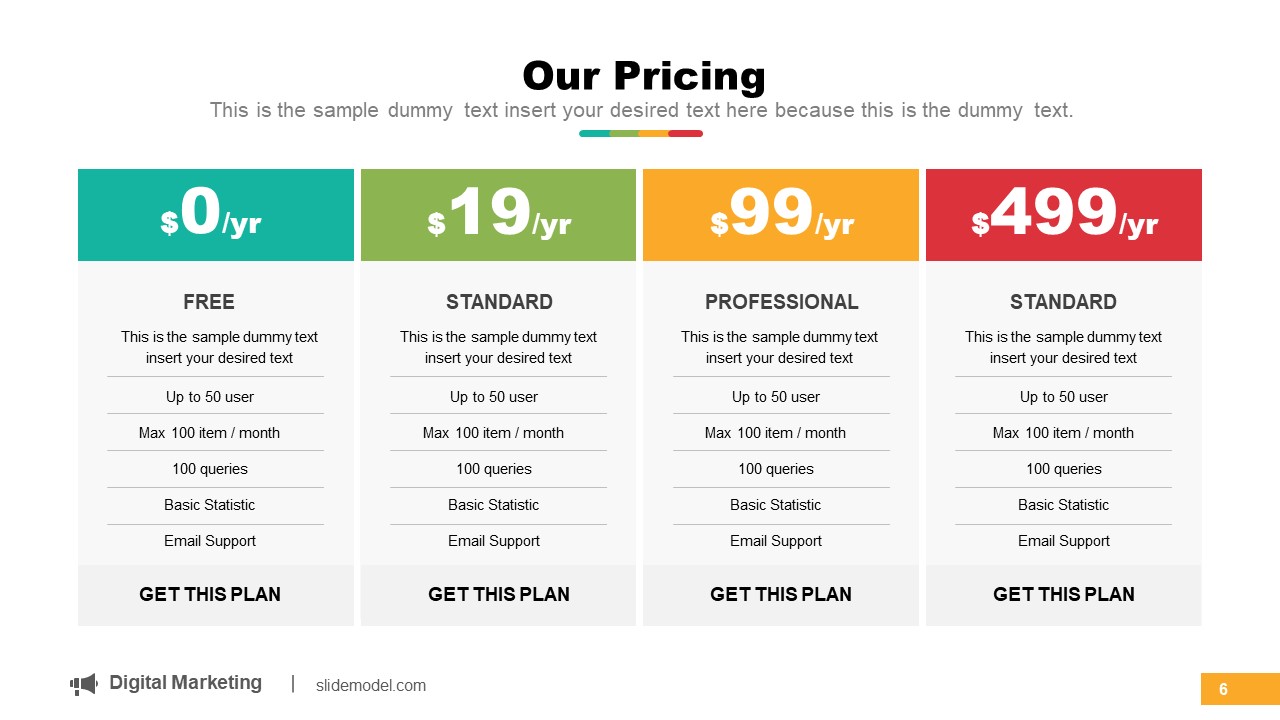
- Offer different pricing packages to cater to various client needs.
- Be transparent about your pricing structure to build trust with clients.
- Regularly review and adjust your pricing strategy based on market trends and competition.
- Factor in all costs, including time, resources, and tools, when determining your prices.
- Provide clear terms and conditions regarding pricing to avoid misunderstandings.
Consider the value you provide when setting prices.
When establishing pricing for digital marketing services, it is crucial to consider the value you offer to clients. By assessing the impact of your services on their business growth, brand visibility, and overall success, you can justify your pricing structure more effectively. Demonstrating the tangible benefits and results that clients can expect from your digital marketing efforts allows you to set prices that align with the value you provide. Ultimately, focusing on delivering measurable value ensures a fair and mutually beneficial pricing strategy for both parties involved in the client-agency relationship.
Offer different pricing packages to cater to various client needs.
By offering different pricing packages tailored to cater to various client needs, digital marketing agencies can provide flexibility and options that align with the specific requirements of each client. This approach allows businesses to choose a package that best suits their budget, goals, and desired level of service, ensuring that they receive value for their investment. Whether a client is looking for basic services on a limited budget or comprehensive solutions with premium features, having a range of pricing packages enables agencies to accommodate diverse needs and preferences effectively.
Be transparent about your pricing structure to build trust with clients.
Transparency is key when it comes to digital marketing pricing. By clearly outlining your pricing structure to clients, you not only demonstrate integrity but also build trust and credibility. When clients understand how your pricing is determined and what they are paying for, they are more likely to feel confident in the value of your services. Open communication about pricing fosters a positive client-agency relationship based on honesty and transparency, ultimately leading to long-term trust and satisfaction.
Regularly review and adjust your pricing strategy based on market trends and competition.
To maximise the effectiveness of your digital marketing pricing strategy, it is crucial to regularly review and adjust it in response to evolving market trends and competitive landscape. By staying attuned to changes in the market and monitoring your competitors’ pricing strategies, you can ensure that your pricing remains competitive and aligned with the value you offer. Adapting your pricing strategy accordingly allows you to maintain a strong position in the market, attract customers effectively, and optimise your overall business performance in the dynamic digital marketing industry.
Factor in all costs, including time, resources, and tools, when determining your prices.
When setting prices for digital marketing services, it is crucial to consider all costs involved, including not only the time and resources dedicated to each project but also the tools and technologies necessary for its successful execution. By factoring in these various elements, businesses can ensure that their pricing accurately reflects the value they provide and allows them to cover all expenses associated with delivering high-quality digital marketing solutions to their clients.
Provide clear terms and conditions regarding pricing to avoid misunderstandings.
To avoid misunderstandings in digital marketing pricing, it is crucial to provide clear terms and conditions outlining the pricing structure. Clearly defining the scope of services, payment schedule, any additional fees, and performance metrics can help establish transparency and set expectations between the client and the digital marketing agency. By ensuring that both parties have a clear understanding of the pricing agreement, potential disputes can be minimised, and a mutually beneficial partnership can be fostered.
Leave a Reply